
Loading, please wait...
LOT 1244
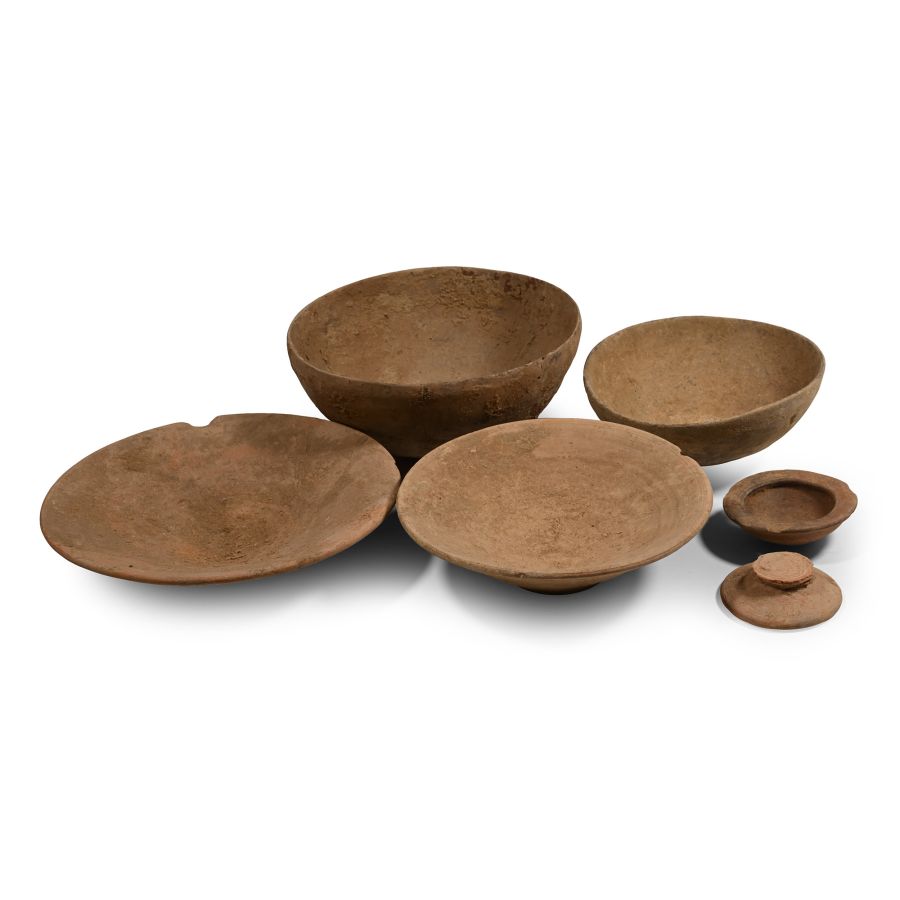
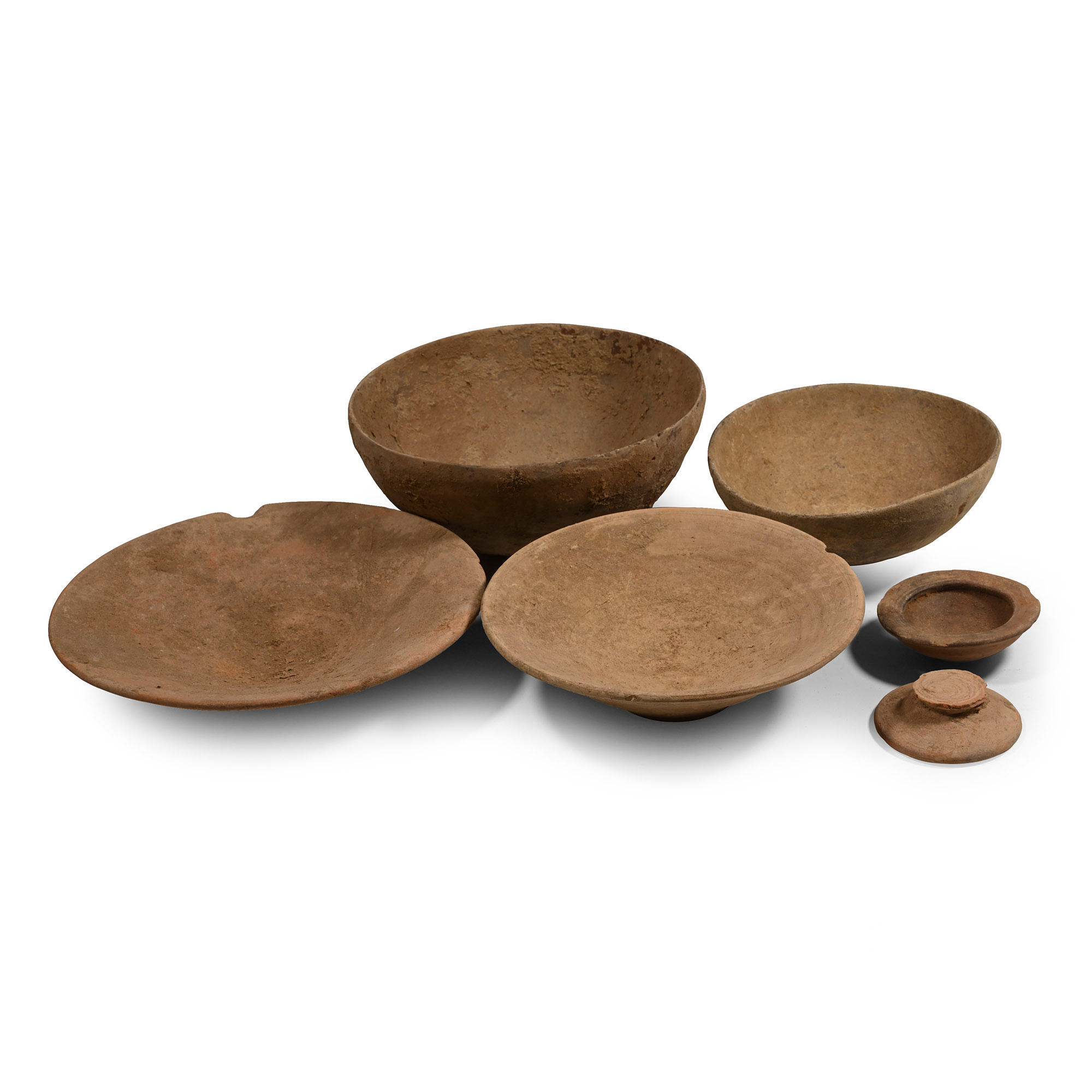
Western Asiatic and Other Pottery Collection
3RD-1ST MILLENNIUM B.C.
2 3/4 - 8 1/2 in. (1.85 kg total, 7-21.5 cm).
Including a hemispherical bowl, a broad dish and other types. [6, No Reserve]
ProvenanceFrom a West Country collection, UK, 1990s.
This lot has been cleared against the Art Loss Register database, and is accompanied by an illustrated lot declaration signed by the Head of the Antiquities Department, Dr Raffaele D'Amato.
TimeLine Auctions follows a vetting process to ensure the authenticity and legality of all items, reinforcing our commitment to integrity and responsible trading. Each antiquity, antique, and coin lot undergoes thorough examination by a vetting committee of at least ten external specialists, professional trade association members, scientists, and archaeologists: Our Vetting Process
AUCTIONS:
TimeLine is a leading auction house specialising in antiquities, ancient art, collectables, natural history, coins, medals, and books. Our auctions offer museums, collectors, historians, and enthusiasts the opportunity to acquire unique and historically significant pieces.
-
.jpg)
Mesopotamian Bronze Standing Zoomorphic Torch Bearer
Early Dynastic II, mid 3rd millennium B.C.Estimate: £20,000 - 30,000 (+bp*)
Opening Bid: £10,000
Comprising a bulbous body with addorsed vulpine heads, standing on a rectangular base and with a circular cage supported on four curved arms above the back; each head with sockets to the eyes to accept inset cabochons. 2.28 kg, 17.5 cm
Acquired before 1983. Ex London gallery, 1990s. Accompanied by an academic report by Dr Raffaele D'Amato. This lot has been checked against the Interpol Database of stolen works of art and is accompanied by a search certificate number no.12695-236266. This lot has been cleared against the Art Loss Register database, and is accompanied by an illustrated lot declaration signed by the Head of the Antiquities Department, Dr Raffaele D'Amato.
The object belongs to a series of artefacts which attest the wide regional trade existing in the mid to late 3rd millennium B.C. in the Mesopotamian lands. Stands of this type were intended to hold offering bowls or lamps. -
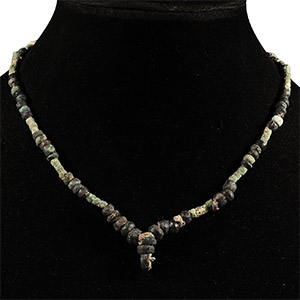
Western Asiatic Bronze Bead Necklace String
2nd-1st millennium B.C.Sold for (Inc. bp): £26
Restrung group of tubular, melon, biconical and other beads. 25.5 grams, 39 cm
Ex London, UK, collection, 1990s. This lot has been cleared against the Art Loss Register database, and is accompanied by an illustrated lot declaration signed by the Head of the Antiquities Department, Dr Raffaele D'Amato. -
.jpg)
Western Asiatic Mixed Bead Necklace String
2nd-1st millennium B.C. and laterSold for (Inc. bp): £26
Restrung group of melon, biconvex, faceted and other beads in stone and ceramic. 28.5 grams, 35.5 cm
Ex London, UK, collection, 1990s. This lot has been cleared against the Art Loss Register database, and is accompanied by an illustrated lot declaration signed by the Head of the Antiquities Department, Dr Raffaele D'Amato.
