
Loading, please wait...
LOT 0898
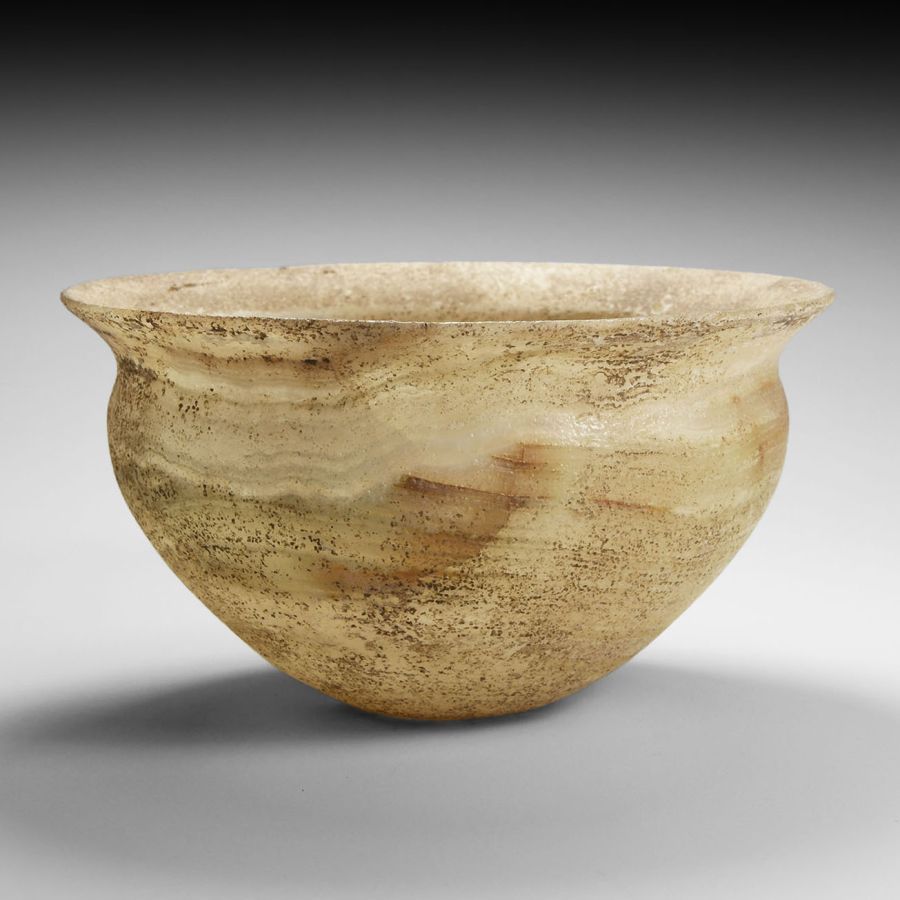
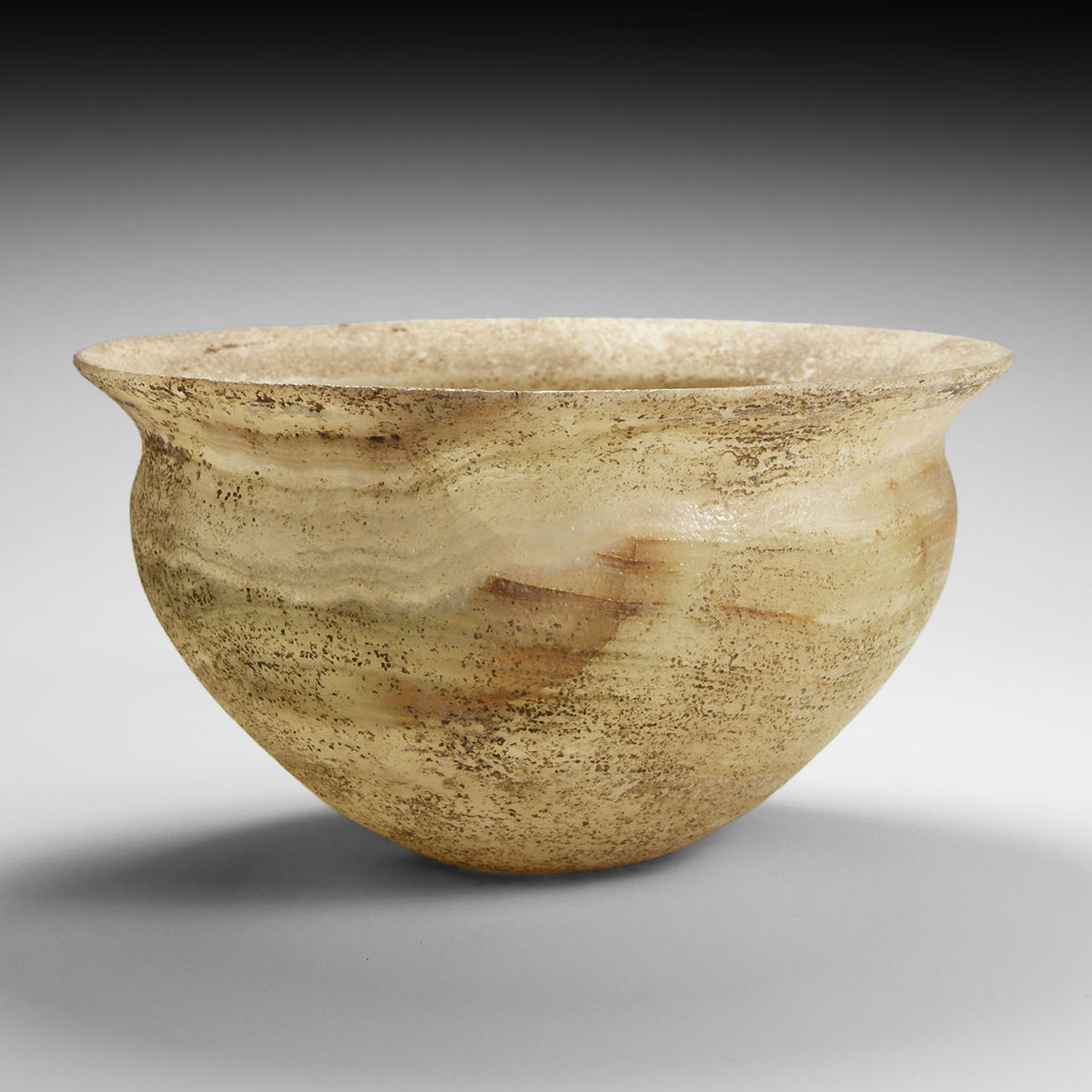
Western Asiatic Alabaster Vessel
1ST MILLENNIUM B.C.
4 3/4 in. (269 grams, 12 cm).
Featuring a carinated profile and flange rim.
ProvenanceAcquired on the European art market in the 1990s.
Ex property of a Suffolk collector.
TimeLine Auctions follows a vetting process to ensure the authenticity and legality of all items, reinforcing our commitment to integrity and responsible trading. Each antiquity, antique, and coin lot undergoes thorough examination by a vetting committee of at least ten external specialists, professional trade association members, scientists, and archaeologists: Our Vetting Process
AUCTIONS:
TimeLine is a leading auction house specialising in antiquities, ancient art, collectables, natural history, coins, medals, and books. Our auctions offer museums, collectors, historians, and enthusiasts the opportunity to acquire unique and historically significant pieces.
-
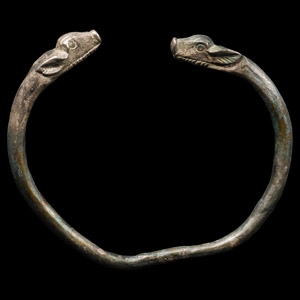
Achaemenid Silver Bracelet
5th-3rd century B.C.Sold for (Inc. bp): £2,340
The penannular round-section hoop with animal head terminals, likely calves or deer, with stylised detailing. 26.8 grams, 70 mm
UK collection, early 1990s and before. Acquired on the UK art market since the early 2000s. From a private collection, Lancashire, UK. -
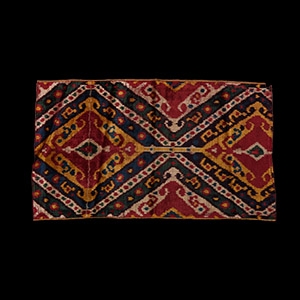
Turkish Velvet Textile Fragment
19th century A.D.Sold for (Inc. bp): £780
Displaying a vibrantly dyed geometric design. 56 grams, 57.5 cm
London, UK, collection. -
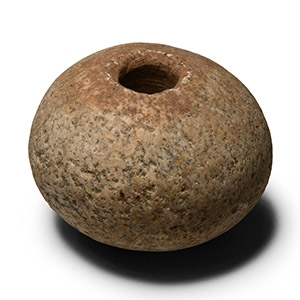
Western Asiatic Stone Macehead
Late 4th millennium B.C.Sold for (Inc. bp): £117
Drilled vertically to accommodate a wooden shaft. 621 grams, 87 mm
Acquired 1960s-1990s. Late Alison Barker collection, a retired London barrister.
