
Loading, please wait...
LOT 1250
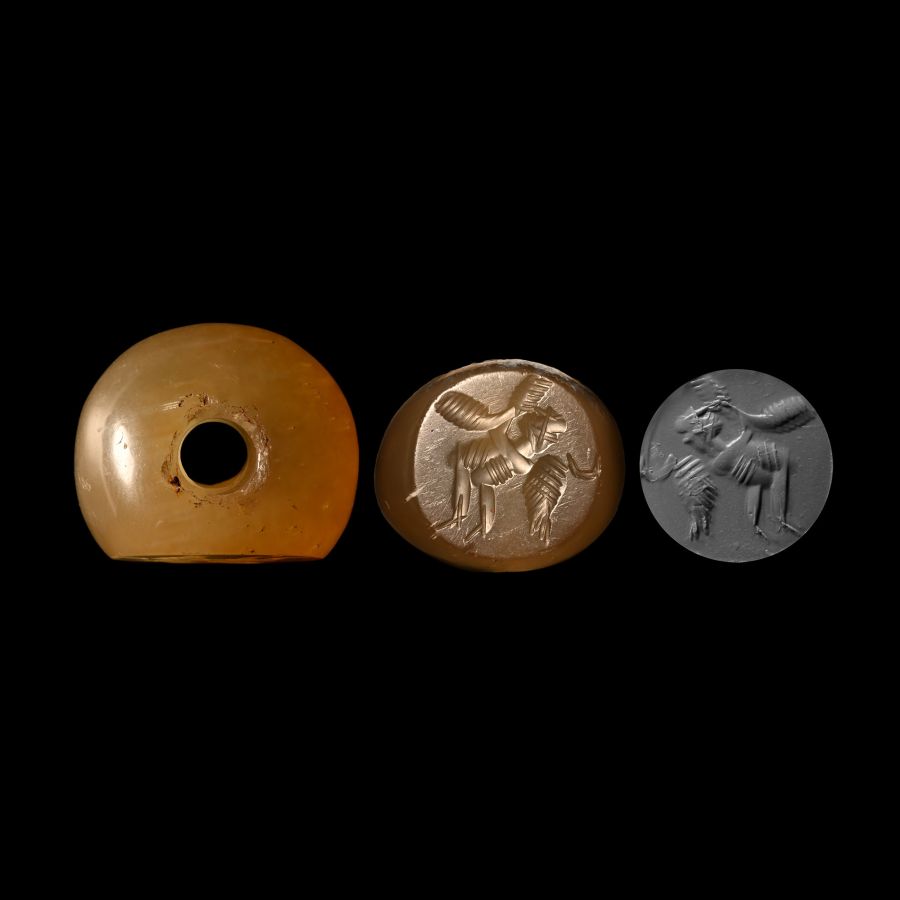
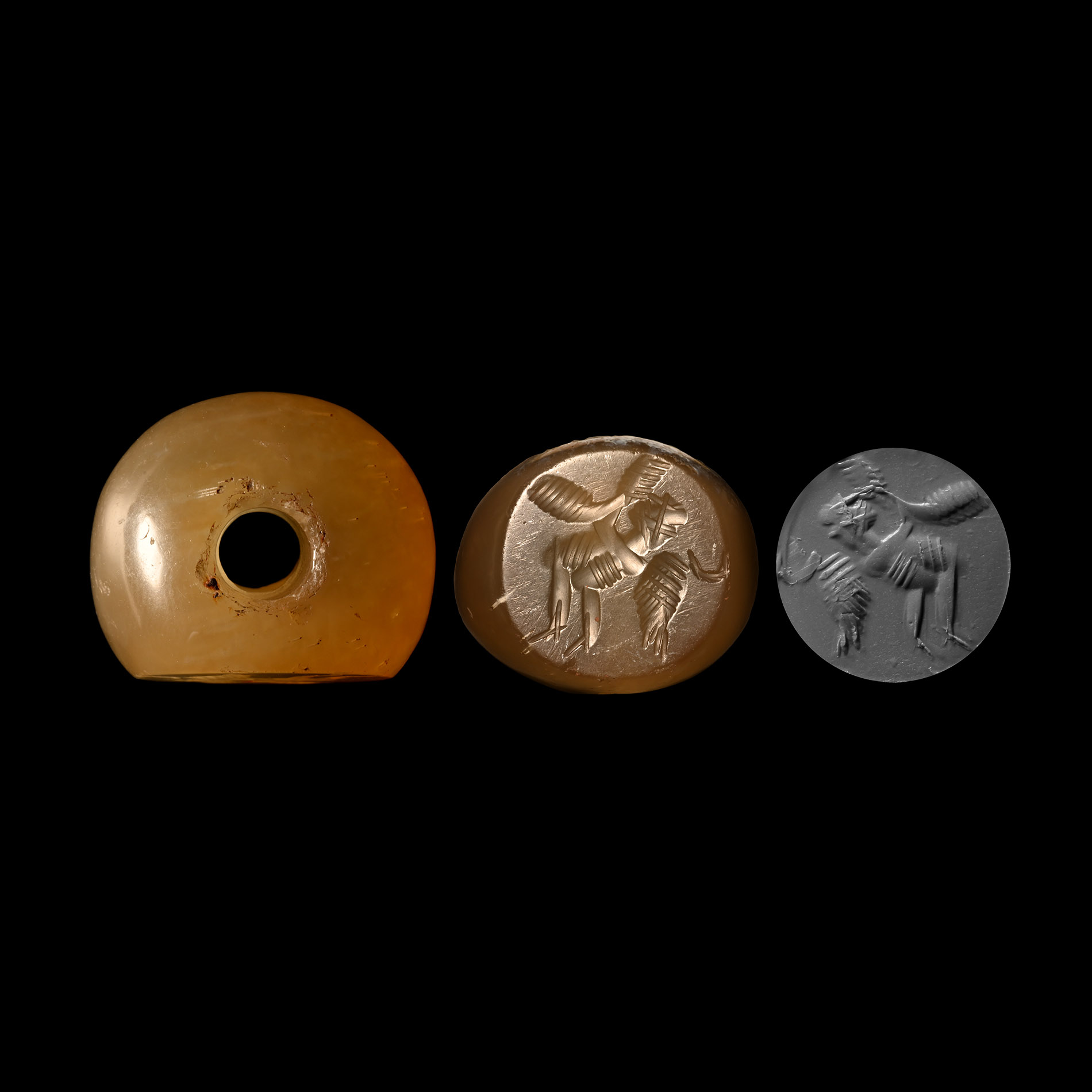
Western Asiatic Agate Stamp Seal with Winged Figure
3RD-4TH CENTURY A.D.
1 in. (21.9 grams, 28 mm).
With intaglio scene of a profile human figure with wings(?) beside a crescent. [No Reserve]
ProvenanceAcquired between 1980-1983.
From the 'Empire' collection, an important UK private collection of seals.
TimeLine Auctions follows a vetting process to ensure the authenticity and legality of all items, reinforcing our commitment to integrity and responsible trading. Each antiquity, antique, and coin lot undergoes thorough examination by a vetting committee of at least ten external specialists, professional trade association members, scientists, and archaeologists: Our Vetting Process
AUCTIONS:
TimeLine is a leading auction house specialising in antiquities, ancient art, collectables, natural history, coins, medals, and books. Our auctions offer museums, collectors, historians, and enthusiasts the opportunity to acquire unique and historically significant pieces.
-
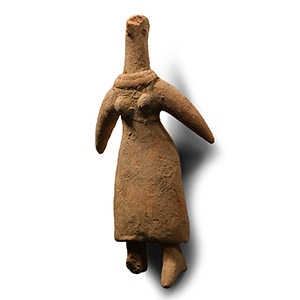
Chalcolithic Terracotta Female Figure
Circa 3rd millennium B.C.Sold for (Inc. bp): £442
Modelled in the round with columnar head and neck, pinched and impressed facial details, applied collar and calf-length skirt; repaired. 203 grams, 18.5 cm
Collection of a deceased London gentleman, 1979-1999, by descent. -
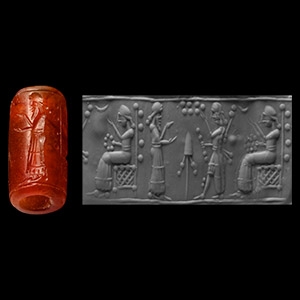
Western Asiatic Cylinder Seal with Throne Scene
1st millennium B.C.Sold for (Inc. bp): £442
Carnelian seal with intaglio frieze of a robed figure seated on a throne and holding a wreath with one arm raised towards a standing figure wearing a tunic and longer robe with one arm raised and holding a sceptre towards a spear with streamers and a figure facing him in a long robe with hands held out; pellets and objects in the field; supplied with a museum-quality impression. 3.75 grams, 21 mm
Acquired in the 1970s. Property of a London lady, part of her family's collection. -
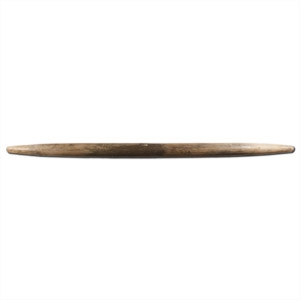
Bactrian Stone Idol
2nd-1st millennium B.C.Sold for (Inc. bp): £1,235
Columnar bar with tapering ends, repair to one end. 13.6 kg, 148.5 cm
Ex collection 'F', London, UK, 2000s.
