
Loading, please wait...
LOT 1300
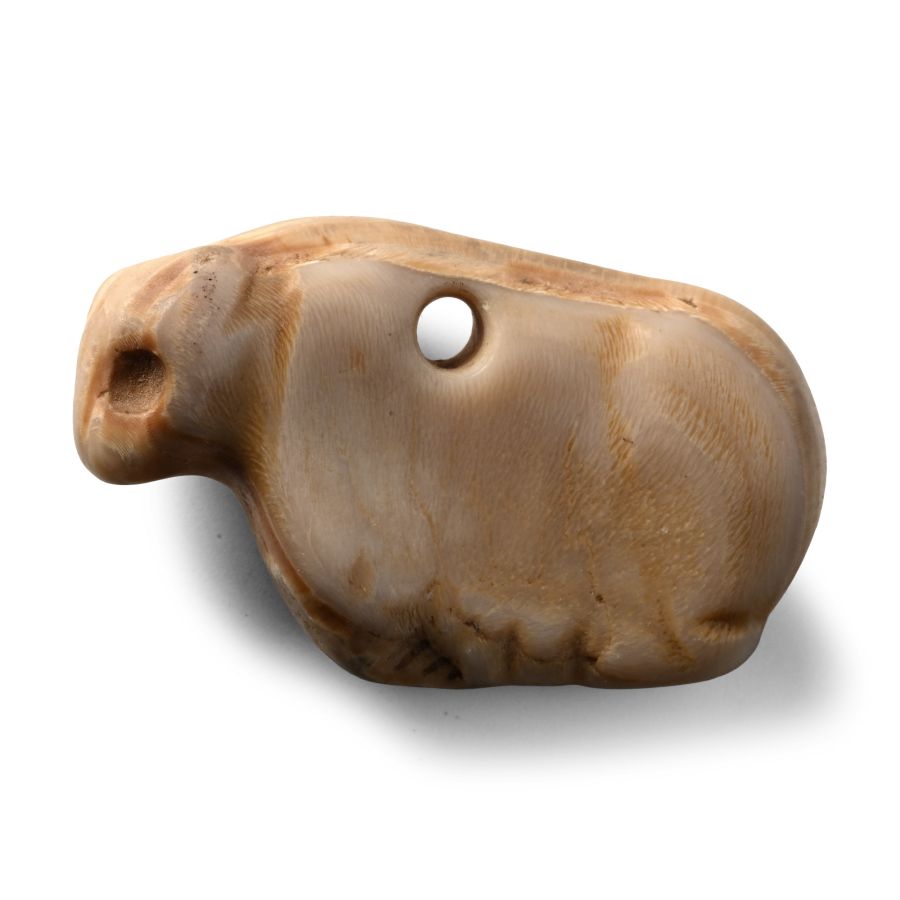
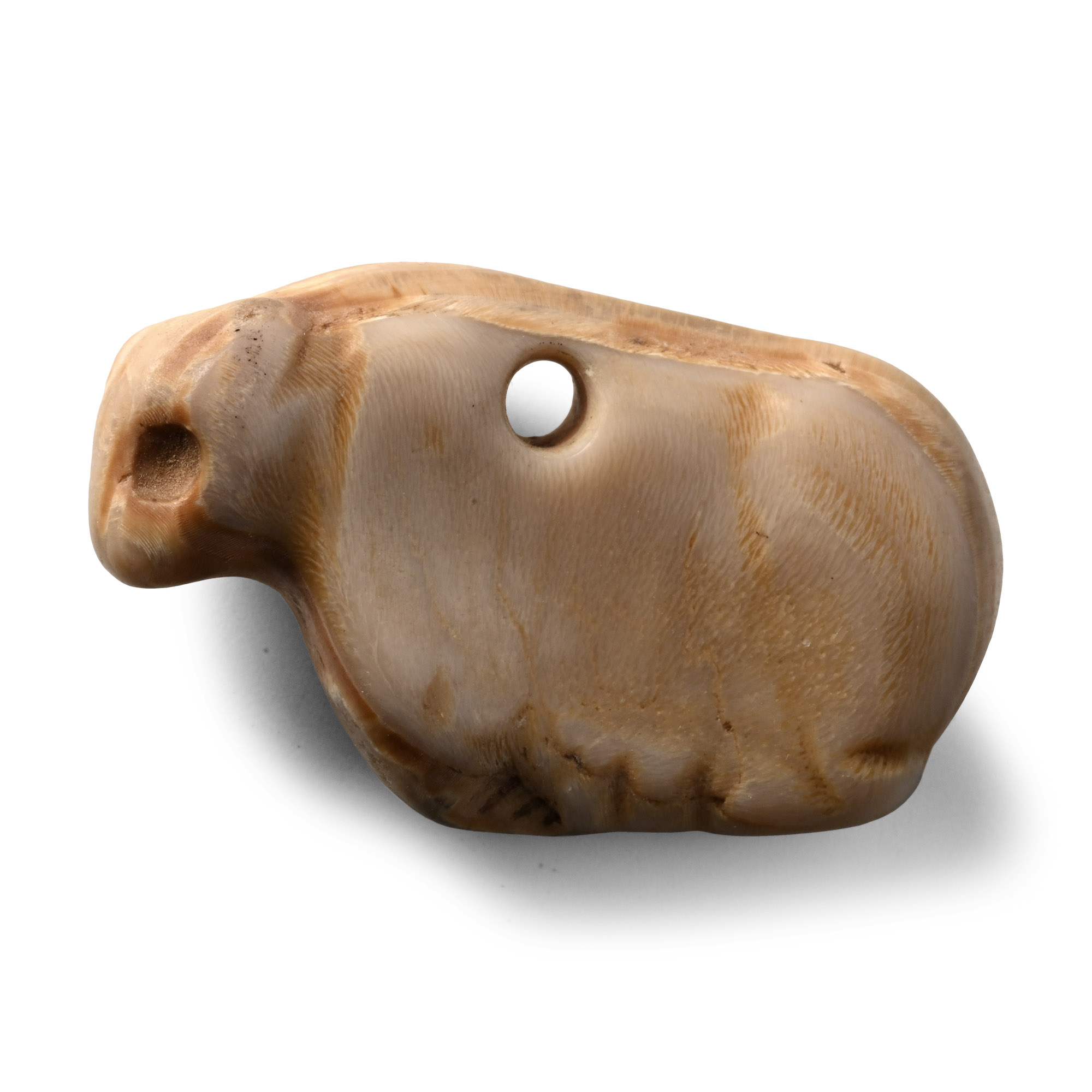
Western Asiatic Agate Bovine Amulet
4TH-3RD MILLENNIUM B.C.
1 3/8 in. (8.87 grams, 35 mm).
Carved as a recumbent bovine with drilled eye, pierced through the upper edge; concave reverse. [No Reserve]
ProvenanceFrom a collection of a Devonshire, UK, gentleman established from the mid 1990s.
CONDITIONTimeLine Auctions follows a vetting process to ensure the authenticity and legality of all items, reinforcing our commitment to integrity and responsible trading. Each antiquity, antique, and coin lot undergoes thorough examination by a vetting committee of at least ten external specialists, professional trade association members, scientists, and archaeologists: Our Vetting Process
AUCTIONS:
TimeLine is a leading auction house specialising in antiquities, ancient art, collectables, natural history, coins, medals, and books. Our auctions offer museums, collectors, historians, and enthusiasts the opportunity to acquire unique and historically significant pieces.
-
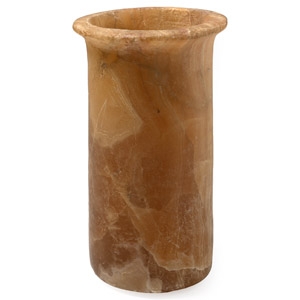
Mesopotamian Stone Vase
1st millennium B.C.Sold for (Inc. bp): £124
Slightly flared tubular body with flat everted rim. 311 grams, 10.4 cm
Ex Mayfair, London, UK, gallery, 2000s. -
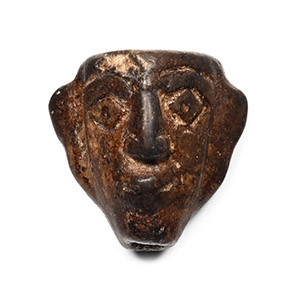
Sumerian Black Stone Face Amulet
Uruk/Jemdet Nasr Period, circa 3500-2900 B.C. or laterEstimate: £200 - 300 (+bp*)
Opening Bid: £110
Carved in the half-round with large eyes and ears; drilled depression above the head and beneath the chin. 4.6 grams, 19 mm
From the 'S' collection, acquired 1970-1990s. Accompanied by a description from Peter Gert Van der Veen, senior lecturer of Levantine Archaeology, Johannes Gutenberg-Universität, Mainz. This lot has been cleared against the Art Loss Register database, and is accompanied by an illustrated lot declaration signed by the Head of the Antiquities Department, Dr Raffaele D'Amato. -
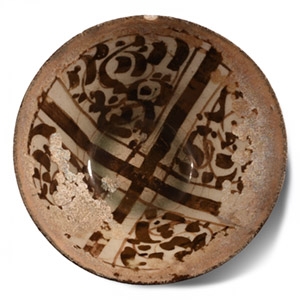
Syrian Lustre Pottery Bowl
13th century A.D.Estimate: £600 - 800 (+bp*)
Opening Bid: £232
Conical in profile with ring foot; glazed inner face with reserved cross and panels of calligraphic text; text to underside inside foot; old collectors' labels to sidewall. 142 grams, 13.8 cm
with Christie's, London, Islamic Manuscripts, Miniatures, and Works of Art, 10 October 1989, no.485. Private collection, London.
