
Loading, please wait...
LOT 1383
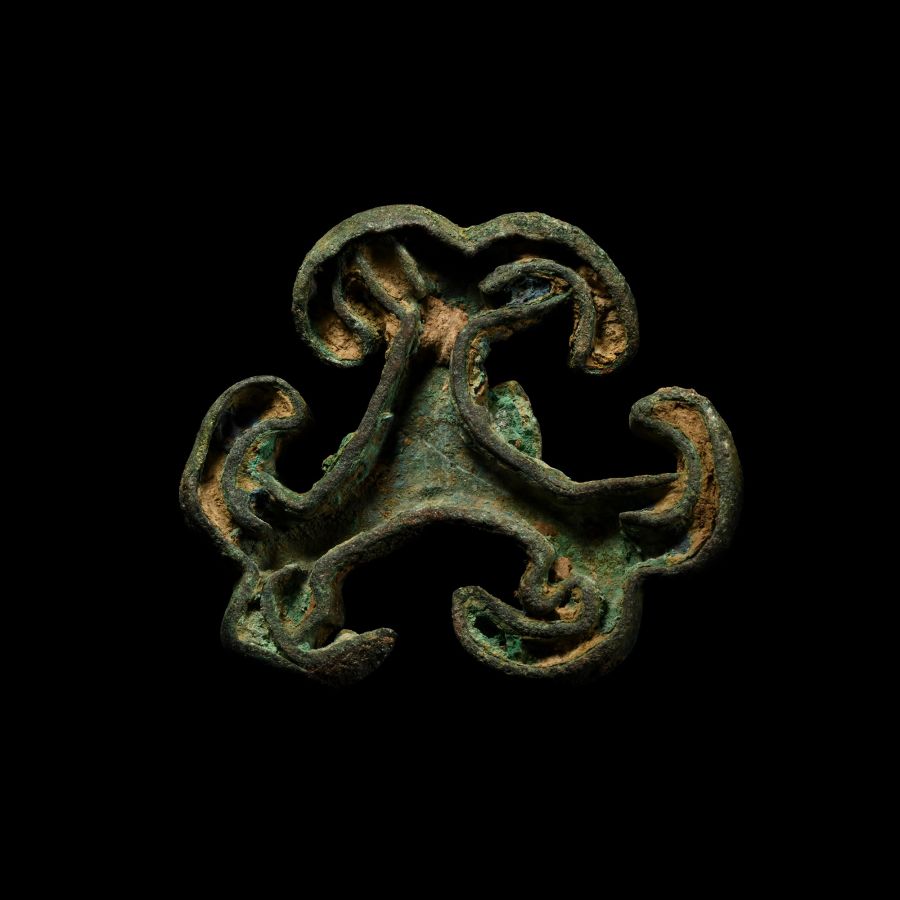
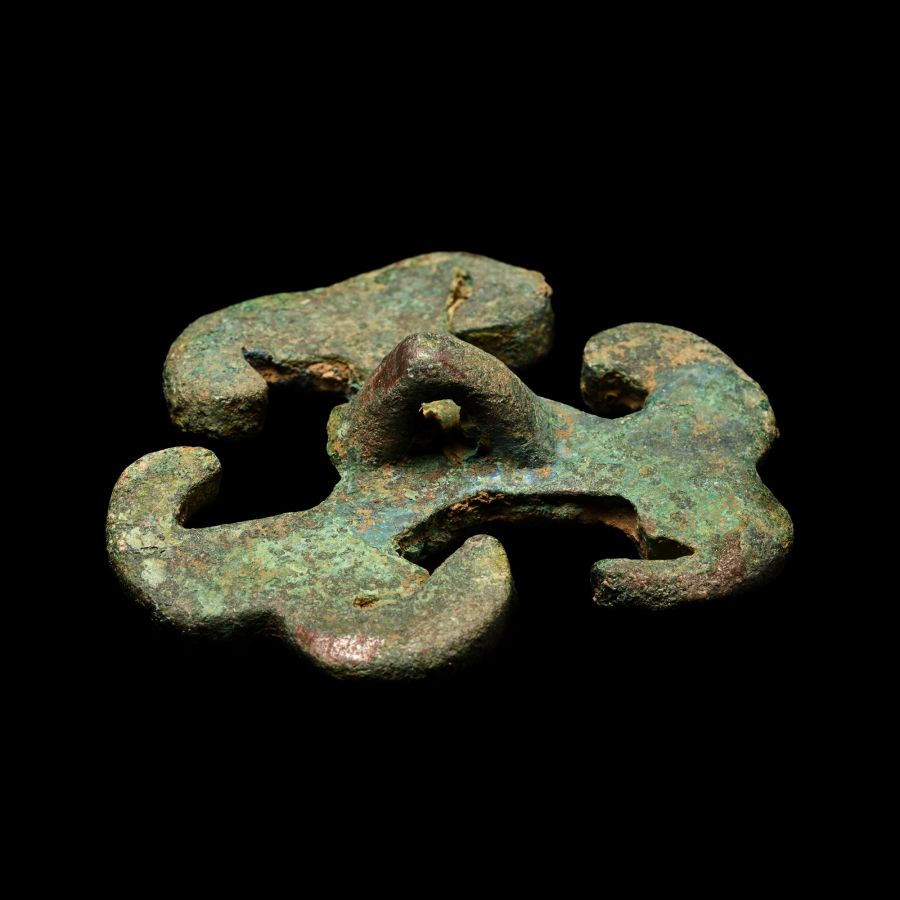
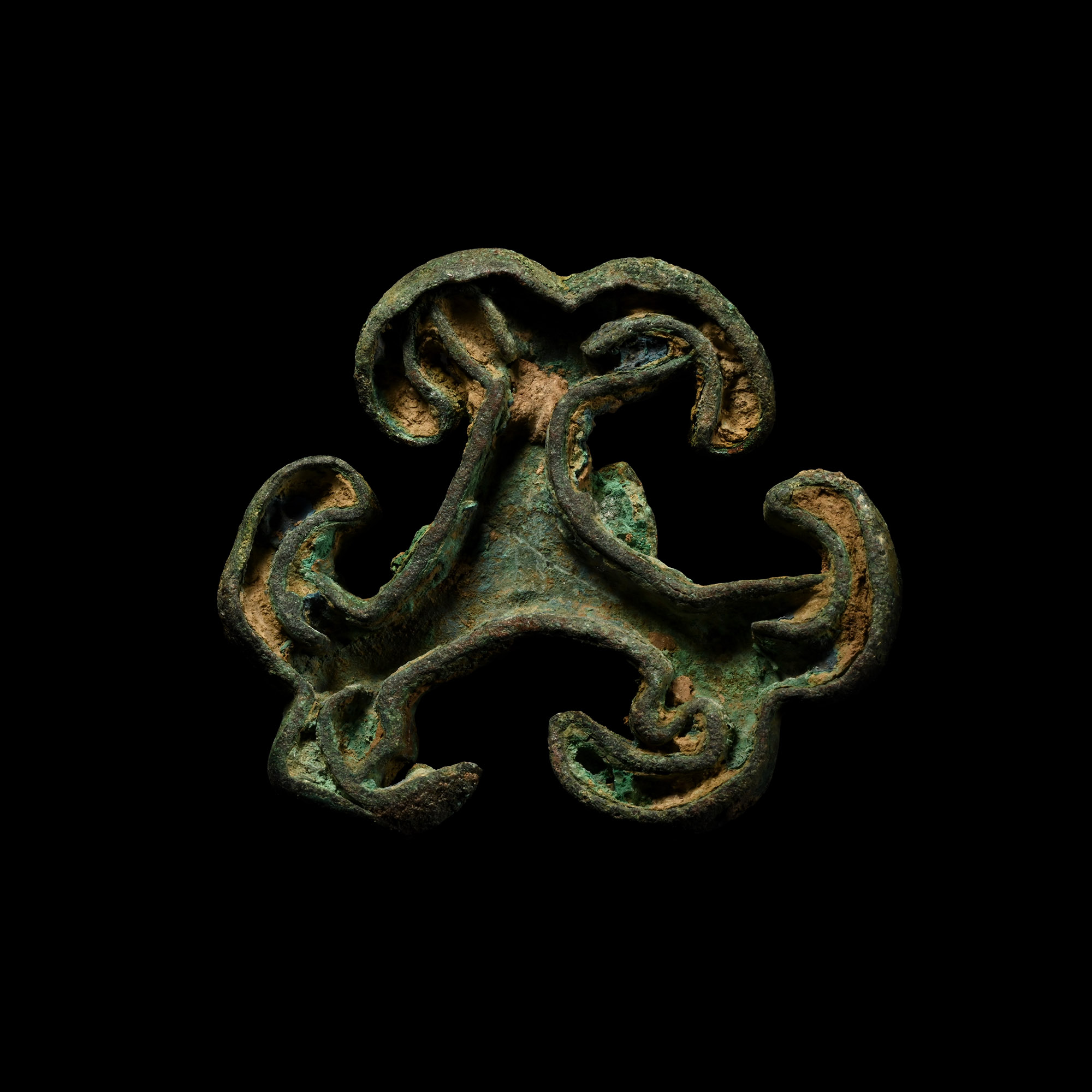
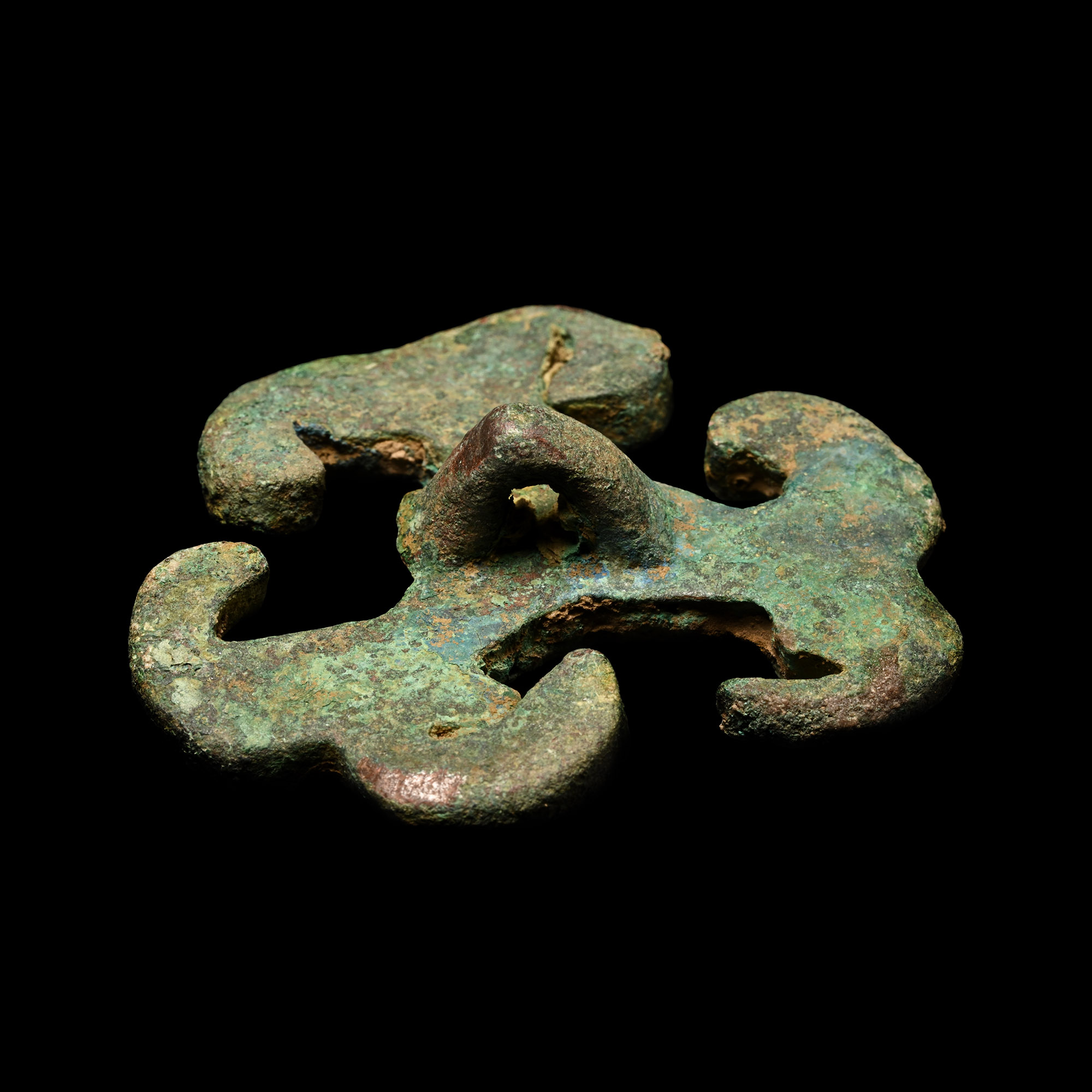
West Central Asian Bronze Stamp Seal Matrix with Triskele
CIRCA 2300-2000 B.C.
2 in. (33 grams, 52 mm).
Trilobate in design with strap handle to the reverse, accompanied by typed and signed note by the late W.G. Lambert, Professor of Assyriology at the University of Birmingham, 1970-1993, which states: 'Stamp Seal of Bronze, 52 x 51 x 48 x 17mm. This bears the shape of the design, with flat face and flat back, on which is mounted a handle of inverted V-shape. The design, which is compartmented, consists of three similar parts meeting in the middle. Each part consists of a supporting arm which divides into two joined rough scallops at its end. This comes from west central Asia and dates to c. 2300-2000 B.C. The edges are dented and the piece somewhat bent, but generally it is in good condition. The arms may depict something, but they are difficult to interpret. It is a rare design.'
ProvenanceEx collection of a late London gentleman, 1990s.
Accompanied by an original typed and signed scholarly note by the late W.G. Lambert, Professor of Assyriology at the University of Birmingham, 1970-1993.
This lot has been cleared against the Art Loss Register database, and is accompanied by an illustrated lot declaration signed by the Head of the Antiquities Department, Dr Raffaele D'Amato.
TimeLine Auctions follows a vetting process to ensure the authenticity and legality of all items, reinforcing our commitment to integrity and responsible trading. Each antiquity, antique, and coin lot undergoes thorough examination by a vetting committee of at least ten external specialists, professional trade association members, scientists, and archaeologists: Our Vetting Process
AUCTIONS:
TimeLine is a leading auction house specialising in antiquities, ancient art, collectables, natural history, coins, medals, and books. Our auctions offer museums, collectors, historians, and enthusiasts the opportunity to acquire unique and historically significant pieces.
LOT 1383
West Central Asian Bronze Stamp Seal Matrix with Triskele
Estimate £180 - 240€210 - 280 (for guidance only)$240 - 320 (for guidance only)
-
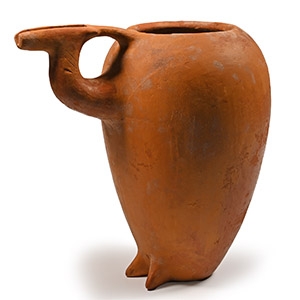
Luristan Terracotta Jar with Bird Feet and Spout
1st millennium B.C.Sold for (Inc. bp): £234
Comprising a tall piriform body with small feet radiating from the base, narrow u-section spout representative of a bird's head. 626 grams, 19.5 cm high
Ex London, UK, collection, 1990s onwards. This lot has been cleared against the Art Loss Register database, and is accompanied by an illustrated lot declaration signed by the Head of the Antiquities Department, Dr Raffaele D'Amato. -
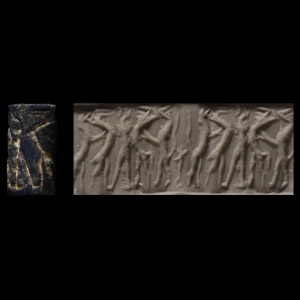
Old Babylonian Lapis Lazuli Cylinder Seal with Animals
2200-2000 B.C.Sold for (Inc. bp): £211
With frieze of leaping and rearing ibexes; supplied with a museum-quality impression. 1.45 grams, 13.9 mm
Acquired in the 1996. Private collection, Switzerland, thence by descent. Private collection, since the late 1990s. This lot has been cleared against the Art Loss Register database, and is accompanied by an illustrated lot declaration signed by the Head of the Antiquities Department, Dr Raffaele D'Amato. -
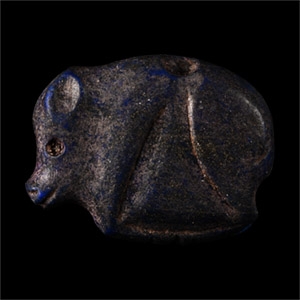
Sumerian Lapis Lazuli Amuletic Animal Seal
Uruk Period, circa 3000 B.C.Sold for (Inc. bp): £494
Plano-convex in section with incuse pair of animals to the underside. 7.6 grams, 28.6 mm
From the 'S' collection, acquired 1970-1990s. Accompanied by a description by Peter Gert Van der Veen, senior lecturer of Levantine Archaeology, Johannes Gutenberg-Universität, Mainz. This lot has been cleared against the Art Loss Register database, and is accompanied by an illustrated lot declaration signed by the Head of the Antiquities Department, Dr Raffaele D'Amato.
