
Loading, please wait...
LOT 2380
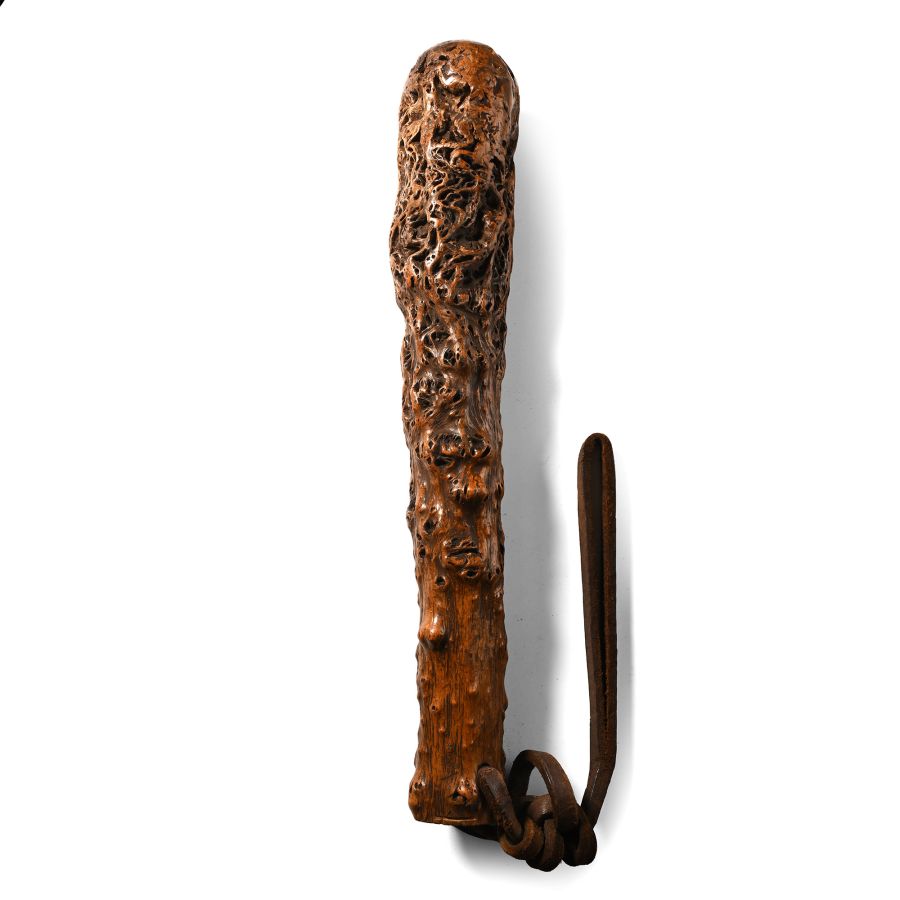
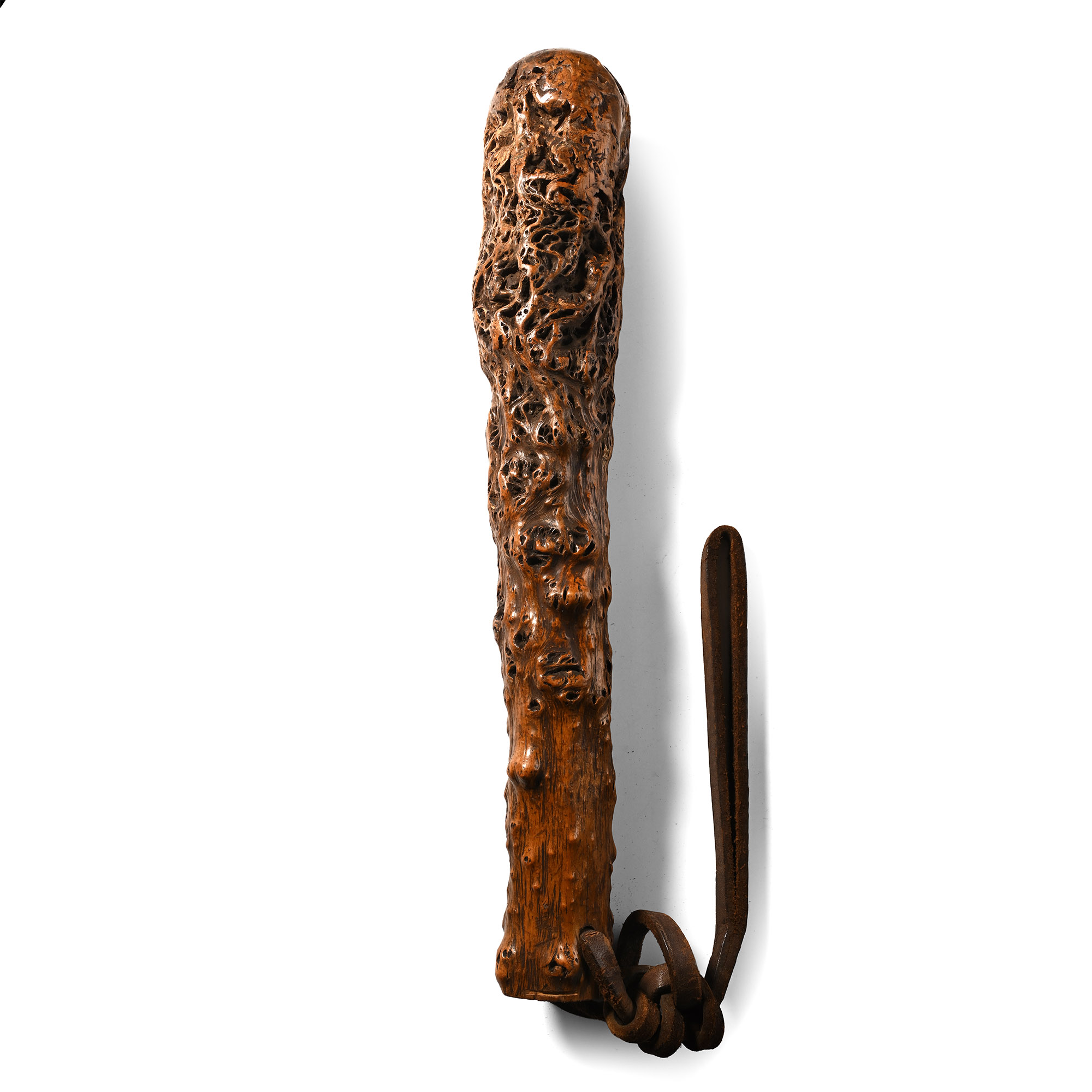
Vunikau War Throwing Club
FIJI, 19TH CENTURY A.D.
13 1/2 in. (391 grams, 34.2 cm).
A natural root club with a good patina of age and wear; hide thong for suspension. [No Reserve]
ProvenanceFrom Fiji, South Pacific.
From an old Northern Ireland collection.
From the property of a late Lincolnshire, UK, gentleman.
See R. A. Derrick, Notes on Fijian Clubs (With a System of Classification) in The Journal of the Polynesian Society Vol. 66, No. 4 (December 1957), pp. 391-395.
Footnotes“The club was the Fijian warrior's favourite weapon. He had his spears, from ten to fifteen feet long and often richly carved, efficient bows and arrows, and slings for throwing stones; but, although these had each its special use, none approached the club in popularity.” R. A. Derrick, “Notes on Fijian Clubs, (With a System of Classification)”.
CONDITIONTimeLine Auctions follows a vetting process to ensure the authenticity and legality of all items, reinforcing our commitment to integrity and responsible trading. Each antiquity, antique, and coin lot undergoes thorough examination by a vetting committee of at least ten external specialists, professional trade association members, scientists, and archaeologists: Our Vetting Process
AUCTIONS:
TimeLine is a leading auction house specialising in antiquities, ancient art, collectables, natural history, coins, medals, and books. Our auctions offer museums, collectors, historians, and enthusiasts the opportunity to acquire unique and historically significant pieces.
-
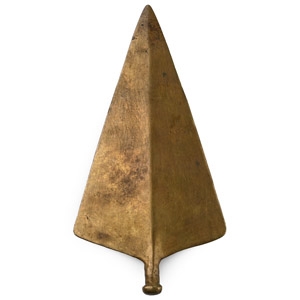
Brass Kano Pendant
Lobi Tribe, mid 20th century A.D.Sold for (Inc. bp): £7
Deltoid in plan and with slight midrib, shank with knop finial for attachment. 21 grams, 98 mm
From Côte d'Ivoire, West Africa. From an old Derby, UK, specialist collection. From the property of a late Lincolnshire, UK, gentleman.
Lobi arts also include a wide variety of small human and animal images, implements, and more abstract symbols in copper alloy and iron. Some of these are worn as jewelry and some appear on shrines. -
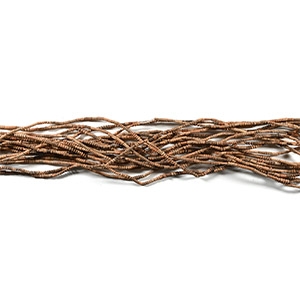
African Terracotta Bead Necklace Group
12th century A.D. or laterSold for (Inc. bp): £65
Ten restrung mainly cream and beige-coloured rondelle, tubular and ribbed beads and other types. 64 grams total, 70-74 cm
Ex property of a UK gallery, early 2000s. -
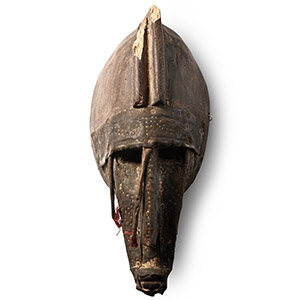
African Wooden Ceremonial Face Mask
Marka, early-mid 20th century A.D.Sold for (Inc. bp): £98
Hollow-formed carved mask with heavy brow, small square eye-holes flanking a triangular-section nose, narrow lower face with tassels. 862 grams, 34.5 cm
From Mali, Guinea and Burkina Faso, West Africa. Private Hampshire, UK, collection of tribal art; acquired in the 1960s. From the property of a late Lincolnshire, UK, gentleman.
The Marka are a Mande subgroup. This ethnic group is independent from the Bambara but their styles show a strong Bambara influence. The Marka are famous for their masks and puppets. Similar to Bambara's ntomo society masks, Marka masks are generally carved with horns, comb or crest on top of the head, but unlike Bambara masks they are often covered with metal sheeting.
