
Loading, please wait...
LOT 1694
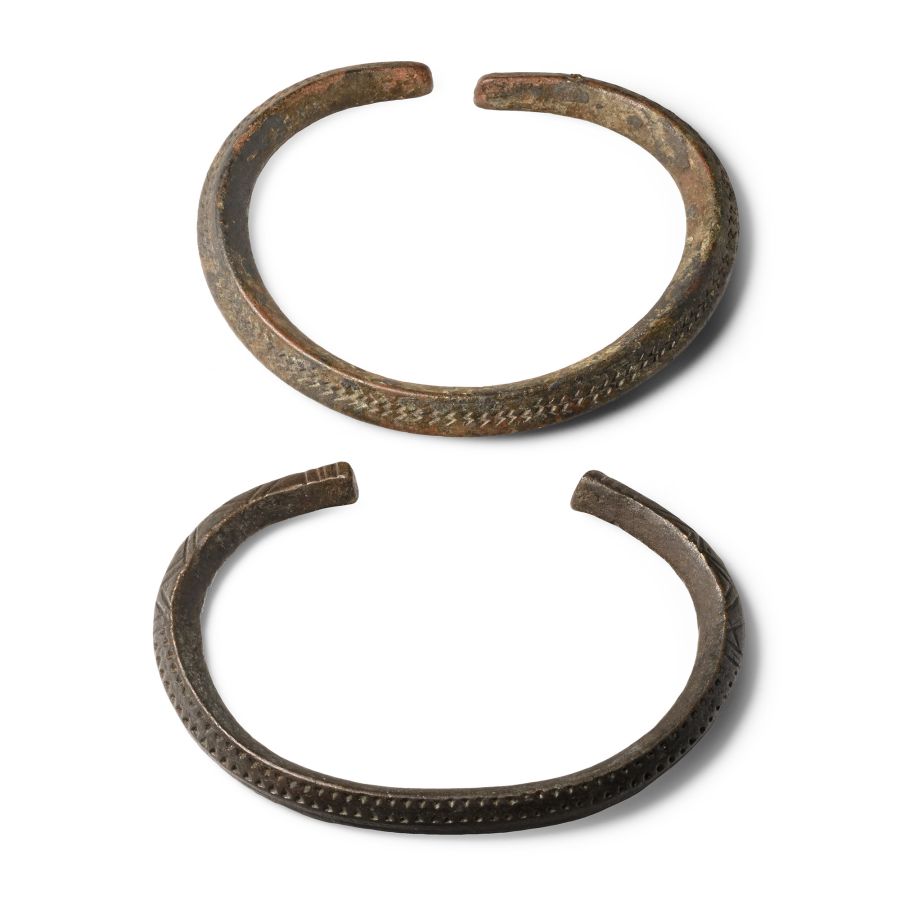
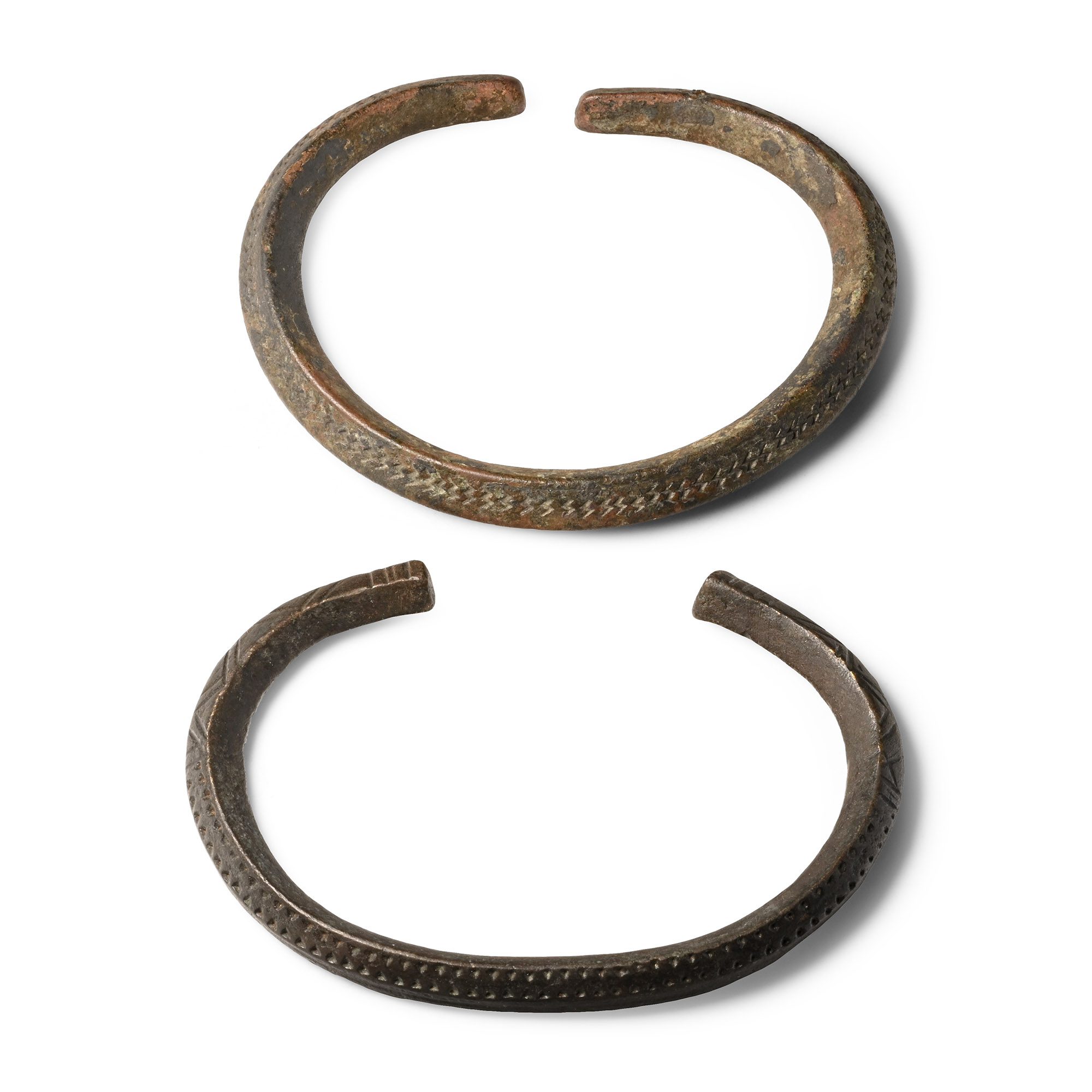
Viking Stamped Bronze Bracelet Pair
9TH-11TH CENTURY A.D.
3 - 3 1/8 in. (103 grams total, 75-79 mm).
Each a penannular square-section shank with punched detailing to the upper faces. [2, No Reserve]
ProvenanceFrom the private collection of a London gentleman, from his grandfather's collection formed before the early 1970s.
CONDITIONTimeLine Auctions follows a vetting process to ensure the authenticity and legality of all items, reinforcing our commitment to integrity and responsible trading. Each antiquity, antique, and coin lot undergoes thorough examination by a vetting committee of at least ten external specialists, professional trade association members, scientists, and archaeologists: Our Vetting Process
AUCTIONS:
TimeLine is a leading auction house specialising in antiquities, ancient art, collectables, natural history, coins, medals, and books. Our auctions offer museums, collectors, historians, and enthusiasts the opportunity to acquire unique and historically significant pieces.
-
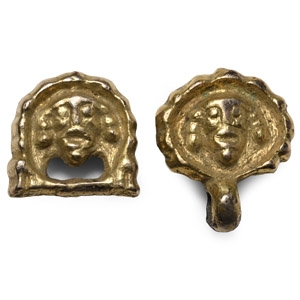
Viking Silver-Gilt Belt Mount Group
8th-10th century A.D.Sold for (Inc. bp): £130
One an oval plaque with beaded border and facing bust, the other similar with slot at the lower edge. 5.86 grams total, 15-19 mm
From the private collection of a London gentleman, from his grandfather's collection formed before the early 1970s. -
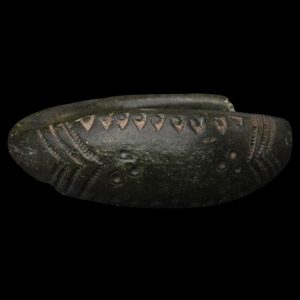
Viking Bronze Decorated Ring
Circa 10th century A.D.Sold for (Inc. bp): £98
Penannular in form with overlapped ends, thick domed bezel with punched-point and chevron detailing. 7.57 grams, 27.77 mm overall, 21.52 mm internal diameter (approximate size British U, USA 10, Europe 22.52, Japan 21)
From the private collection of a London gentleman, from his grandfather's collection formed before the early 1970s. -
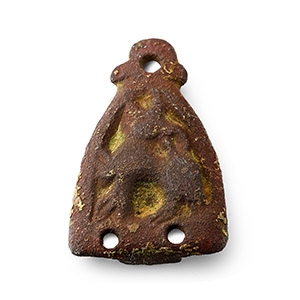
Anglo-Scandinavian Viking Bronze Howling Beast Stirrup Apex Mount
10th-11th century A.D.Sold for (Inc. bp): £39
Heater-shaped in profile with trefoil knop above; high-relief profile wolf with head thrown back and one forepaw raised; ledge to reverse with holes for studs; Williams's Class A, type 11. 22.7 grams, 42 mm
Found Norfolk, UK.
