
Loading, please wait...
LOT 1711
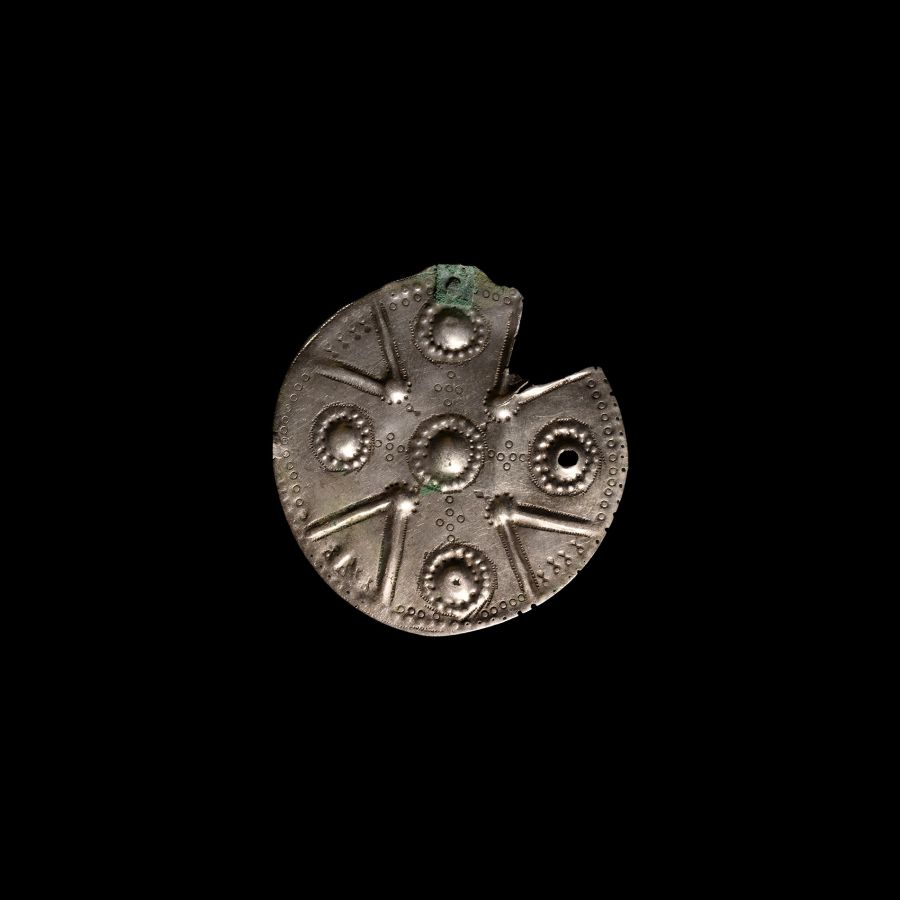
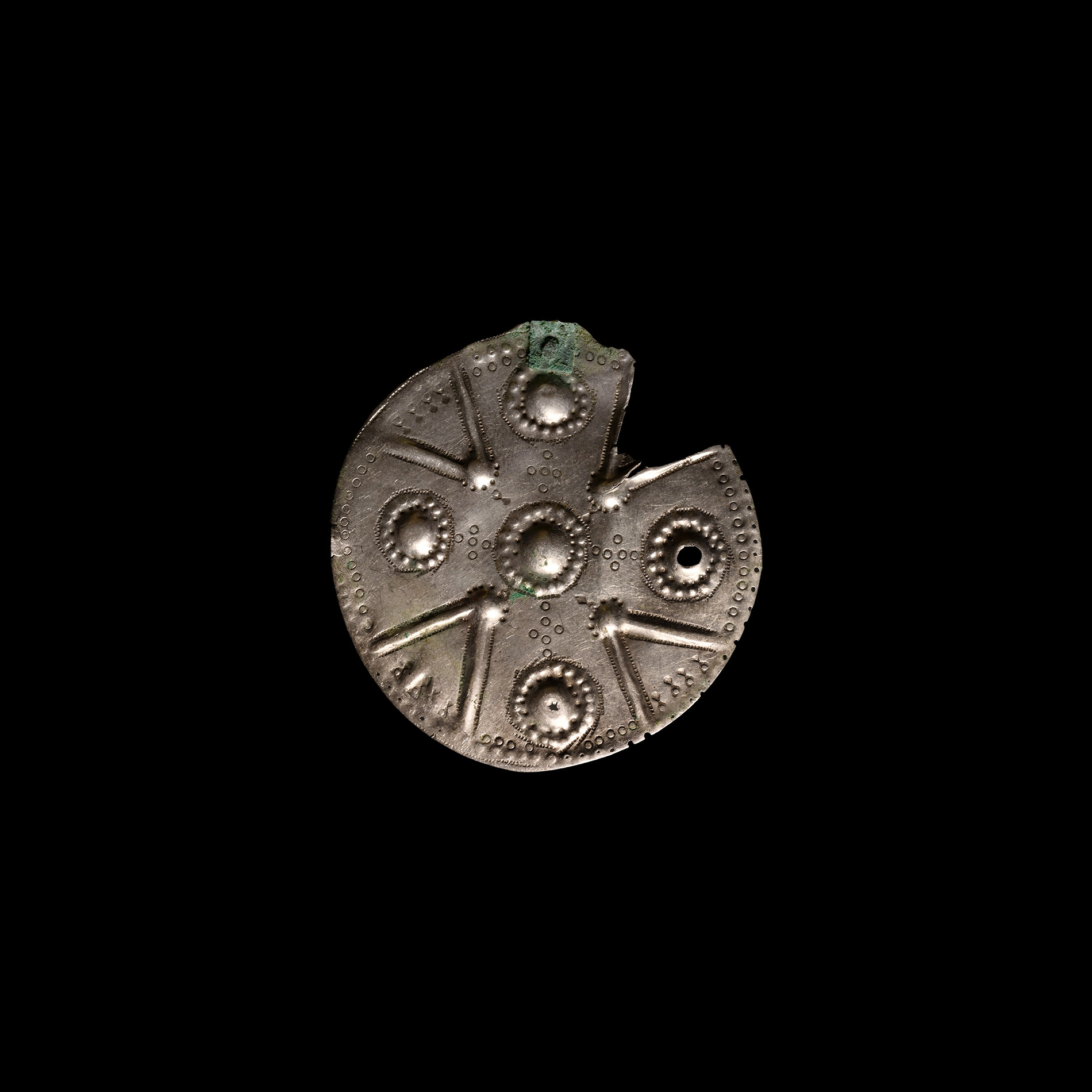
Viking Silver Pendant with Expanding Cross
9TH-11TH CENTURY A.D.
2 in. (6.56 grams, 51 mm).
Executed in repoussé technique, a dome to each arm likely representing the Five Wounds of Christ, together with punched annulets and other details.
ProvenanceFrom the collection of a North American gentleman, formed in the 1990s.
CONDITIONTimeLine Auctions follows a vetting process to ensure the authenticity and legality of all items, reinforcing our commitment to integrity and responsible trading. Each antiquity, antique, and coin lot undergoes thorough examination by a vetting committee of at least ten external specialists, professional trade association members, scientists, and archaeologists: Our Vetting Process
AUCTIONS:
TimeLine is a leading auction house specialising in antiquities, ancient art, collectables, natural history, coins, medals, and books. Our auctions offer museums, collectors, historians, and enthusiasts the opportunity to acquire unique and historically significant pieces.
LOT 1711
Viking Silver Pendant with Expanding Cross
Estimate £250 - 350€290 - 410 (for guidance only)$340 - 470 (for guidance only)
-
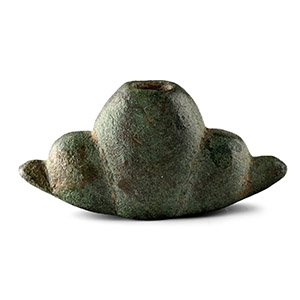
Anglo-Scandinavian Viking Bronze Five-Lobed Pommel
10th-11th century A.D.Sold for (Inc. bp): £338
Of Petersen's Type S (Wheeler Type III) with five graduated lobes; hollow, the lower face a swept arc; pierced through the tallest lobe to accept the tang of the sword's blade. 48.7 grams, 50 mm
Found Norfolk, UK. -
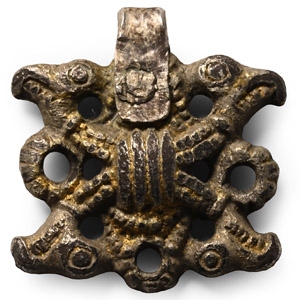
Viking Silver Pendants with Raven's Heads
Circa 10th century A.D.Sold for (Inc. bp): £494
Openwork pendant formed as four addorsed bird-heads; applied strap. 4.69 grams, 21 mm
From the private collection of a London gentleman, from his grandfather's collection formed before the early 1970s. -
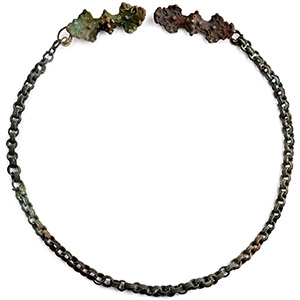
Viking Age Bronze Chained Equal-Arm Brooch Set
Circa 10th century A.D.Estimate: £800 - 1,000 (‡+bp*)
Opening Bid: £400
Each link in the chain composed of three separate hoops, the equal-arm brooches with decoration in high-relief and remains of pin-lugs and catchplate to reverse. 252 grams total, 78 cm long
From the collection of a North American gentleman, formed in the 1990s.
