
Loading, please wait...
_900x900.jpg "Viking Silver-Gilt Bird Pendant with Bearded Mask")
_200x200.jpg "Viking Silver-Gilt Bird Pendant with Bearded Mask")
_900x900.jpg "Viking Silver-Gilt Bird Pendant with Bearded Mask")
_200x200.jpg "Viking Silver-Gilt Bird Pendant with Bearded Mask")
.jpg "Viking Silver-Gilt Bird Pendant with Bearded Mask")
.jpg "Viking Silver-Gilt Bird Pendant with Bearded Mask")
LOT 0366
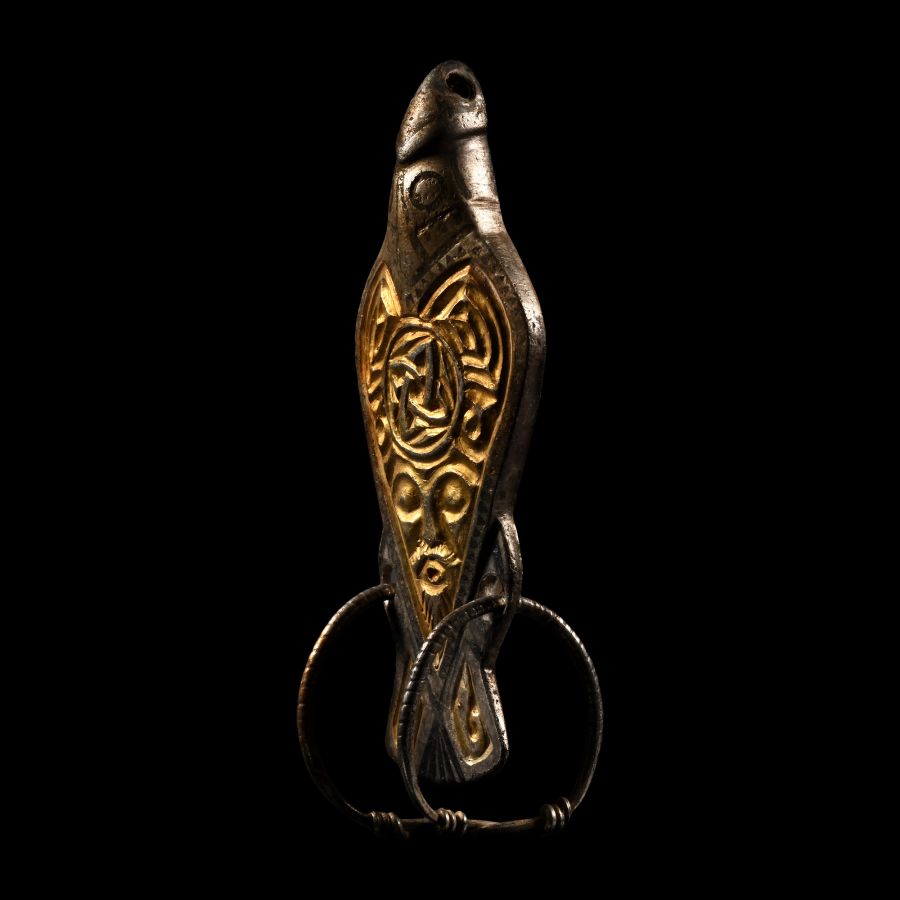
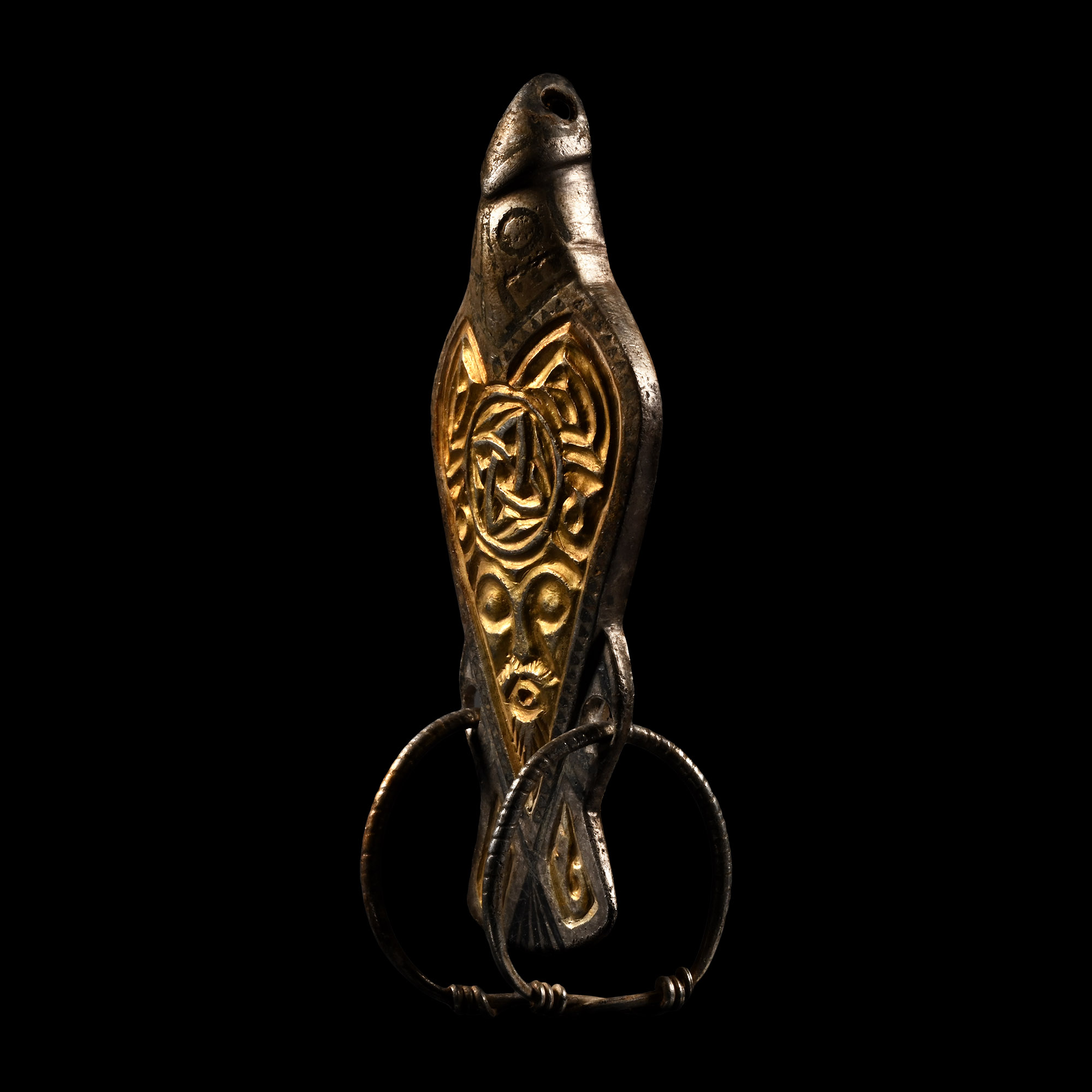
Viking Silver-Gilt Bird Pendant with Bearded Mask
9TH-10TH CENTURY A.D.
2 3/4 in. (32.3 grams, 70 mm).
Comprising a stylised bird in plan with high-relief detailing, pellet eyes, knotwork to the shoulders and gilt bands below, bearded mask to the lower back and knotwork disc above, niello detailing, hollow to the underside, two wire loops to the lateral flanges. [No Reserve]
ProvenanceAcquired from Marcus Hollersberger, Solophurn, Switzerland, in 1980.
From the collection of a London antiquarian, formed since the 1980s.
This lot has been checked against the Interpol Database of stolen works of art and is accompanied by a search certificate number no.12736-234209.
This lot has been cleared against the Art Loss Register database, and is accompanied by an illustrated lot declaration signed by the Head of the Antiquities Department, Dr Raffaele D'Amato.
TimeLine Auctions follows a vetting process to ensure the authenticity and legality of all items, reinforcing our commitment to integrity and responsible trading. Each antiquity, antique, and coin lot undergoes thorough examination by a vetting committee of at least ten external specialists, professional trade association members, scientists, and archaeologists: Our Vetting Process
AUCTIONS:
TimeLine is a leading auction house specialising in antiquities, ancient art, collectables, natural history, coins, medals, and books. Our auctions offer museums, collectors, historians, and enthusiasts the opportunity to acquire unique and historically significant pieces.
-
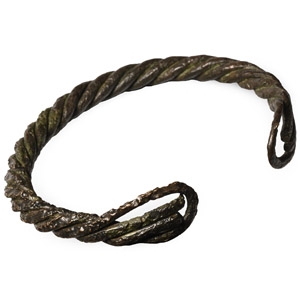
Viking Age Bronze Twisted Bracelet
9th-12th century A.D.Sold for (Inc. bp): £234
Formed of four round-section twisted rods, looped finials. 22.8 grams, 65 mm
Ex German art market, 2000s. Acquired from an EU collector living in London. From the collection of a Surrey, UK, gentleman. This lot is accompanied by an illustrated lot declaration signed by the Head of the Antiquities Department, Dr Raffaele D'Amato. -
.jpg)
Viking Age Gold 'Hack Money' Section
Circa 9th-11th century A.D.Sold for (Inc. bp): £286
A hacked irregular piece of gold ingot, probably melted down loot creating a monetised piece of 'Hack' for Viking trade. 3.33 grams, 20 mm
Property of a Cambridgeshire, UK, collector. From his private collection since the 1970s; thence by descent circa 2000. Ex private collection of a Bedfordshire gentleman. This lot is accompanied by an illustrated lot declaration signed by the Head of the Antiquities Department, Dr Raffaele D'Amato. -
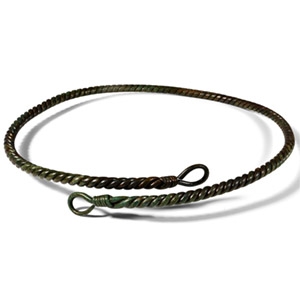
Viking Period Bronze Twisted Neck Torc with Looped Terminals
9th-12th century A.D.Sold for (Inc. bp): £312
Formed of two twisted thick rods with overlapping arms and loop terminals. 350 grams, 25 cm
From the private collection of a London gentleman, from his grandfather's collection formed before the early 1970s. This lot is accompanied by an illustrated lot declaration signed by the Head of the Antiquities Department, Dr Raffaele D'Amato.
