
Loading, please wait...
_900x900.jpg "Viking Inspired Bronze Penannular Omega Brooch")
_200x200.jpg "Viking Inspired Bronze Penannular Omega Brooch")
.jpg "Viking Inspired Bronze Penannular Omega Brooch")
LOT 1730
Viking Inspired Bronze Penannular Omega Brooch
12TH-14TH CENTURY A.D.
2 1/8 in. (12.4 grams, 55 mm).
A flat-section Mordvinian type brooch comprising a penannular band and two trapezoidal plates; the tongue round-section with flat scroll around the band; the plates each with raised pellets and four pierced lugs to the outer edges. [No Reserve]
ProvenanceEx property of an Essex gentleman.
Property of a Scottish collector, acquired in 2013.
See Sedov, B.B., Finno-Ugri i Balti v Epokhi Srednevekovija, Moscow, 1987, pl.XLIV, item 11.
FootnotesThis type of brooch belongs to the typologies of the omega brooches. It was probably used by Ugro-Finnic people to fasten the shirt at the neck or to attach other lighter garments. These brooches evolved to become very elaborate, with dangling springs from the edges, and were often worn in pairs, destined to female garments. In this late Viking period their coins demonstrated Russian and Eastern Roman influences in their art and jewellery.
CONDITIONTimeLine Auctions follows a vetting process to ensure the authenticity and legality of all items, reinforcing our commitment to integrity and responsible trading. Each antiquity, antique, and coin lot undergoes thorough examination by a vetting committee of at least ten external specialists, professional trade association members, scientists, and archaeologists: Our Vetting Process
AUCTIONS:
TimeLine is a leading auction house specialising in antiquities, ancient art, collectables, natural history, coins, medals, and books. Our auctions offer museums, collectors, historians, and enthusiasts the opportunity to acquire unique and historically significant pieces.
-
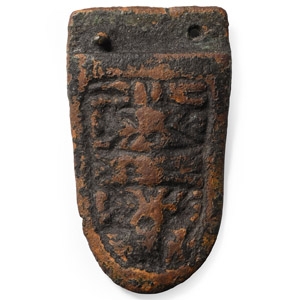
Anglo-Scandinavian Viking Bronze Strap End
10th-11th century A.D.Sold for (Inc. bp): £111
Tongue-shaped with recessed attachment bar at top and holes for two studs; the field with low-relief Borre Style ornament. 12.14 grams, 38 mm
Found Lincolnshire UK. From an old private collection of Norfolk, UK, gentleman, formed since 1998. -
.jpg)
Viking Age Silver Double Axehead Pendant
Circa 8th-11th century A.D.Sold for (Inc. bp): £169
Twibil pendant with flared blades and central elliptical shaft-hole. 6.68 grams, 43 mm
Acquired on the London art market in the late 1980s-1990s. From the family collection of an East London, UK, gentleman. -
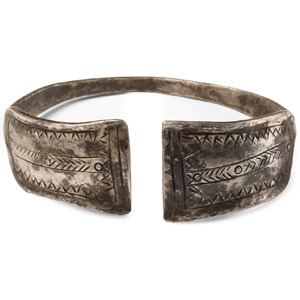
Viking Period Silver Decorated Bracelet
Circa 9th-11th century A.D.Sold for (Inc. bp): £247
Comprising a narrow shank expanding to broad rectangular plaques, each with hatched borders and incised detailing. 16.8 grams, 60 mm
UK private collection before 2000. Acquired on the UK art market. Property of a London gentleman.
