
Loading, please wait...
LOT 1375
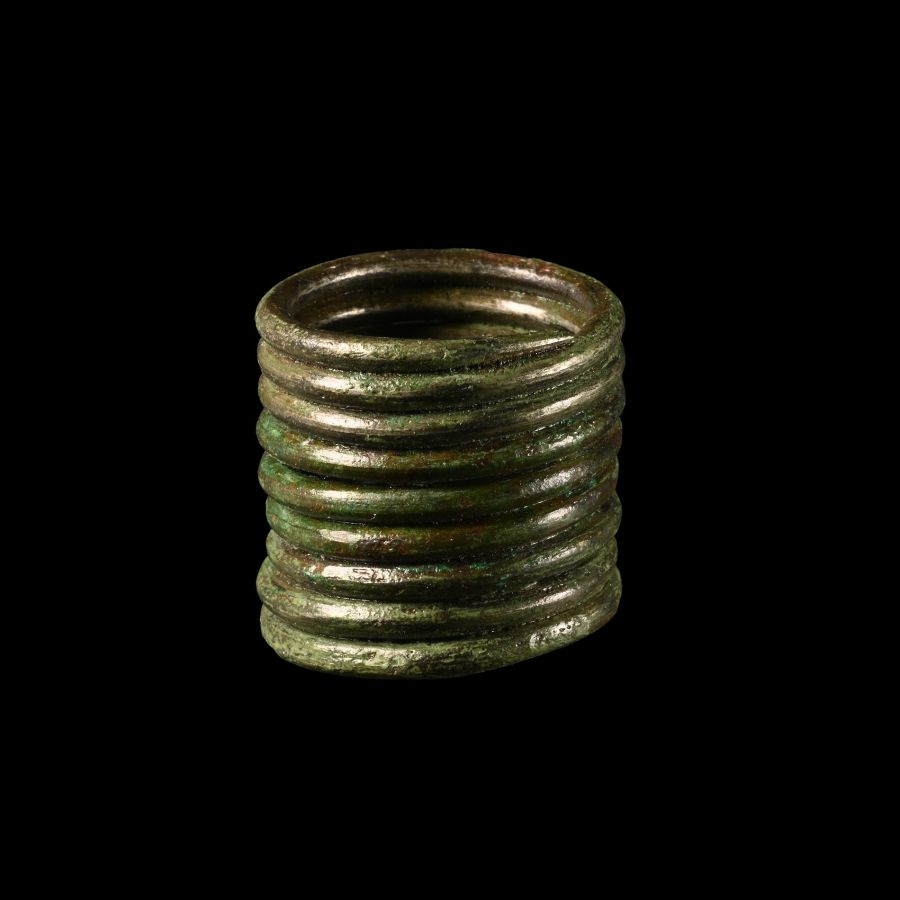
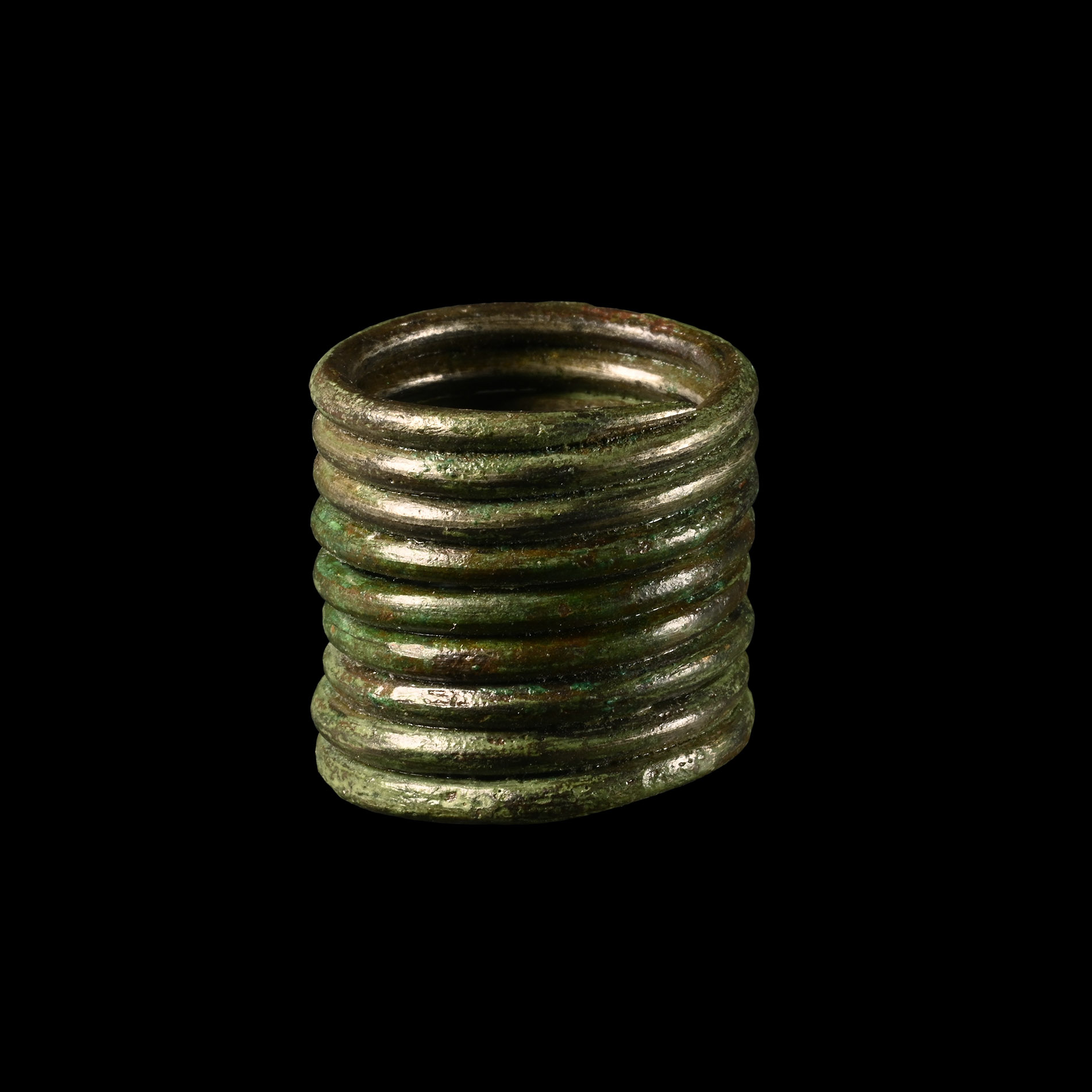
Viking Coiled Bronze Ring
9TH-11TH CENTURY A.D.
7/8 in. (17.88 grams, 22.14 mm overall, 17.42 mm internal diameter (approximate size British P, USA 7 1/2, Europe 16.23, Japan 15)).
Composed of nine tiers of round cross-section coils, the terminals tapering to points. [No Reserve]
ProvenanceFrom the collection of a North American gentleman, formed in the 1990s.
CONDITIONTimeLine Auctions follows a vetting process to ensure the authenticity and legality of all items, reinforcing our commitment to integrity and responsible trading. Each antiquity, antique, and coin lot undergoes thorough examination by a vetting committee of at least ten external specialists, professional trade association members, scientists, and archaeologists: Our Vetting Process
AUCTIONS:
TimeLine is a leading auction house specialising in antiquities, ancient art, collectables, natural history, coins, medals, and books. Our auctions offer museums, collectors, historians, and enthusiasts the opportunity to acquire unique and historically significant pieces.
-
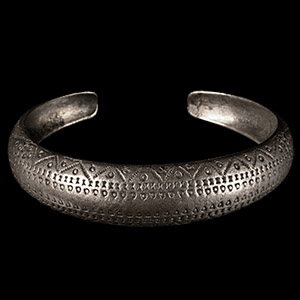
Viking Age Silver Stamp-Decorated Bracelet
9th-10th century A.D.Sold for (Inc. bp): £338
Comprising a C-section penannular hoop with convex outer face and stamp-decorated decoration in zones including pellets, opposed triangles, segmented bars. 24.4 grams, 67 mm
From the collection of a North American gentleman, formed in the 1990s. -
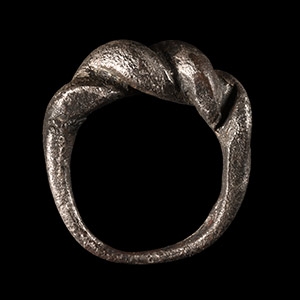
Viking Twisted Silver Ring
9th-13th century A.D.Sold for (Inc. bp): £104
Composed of a slender hoop and expanded decorative bezel. 10.86 grams, 29.07 mm overall, 19.19 mm internal diameter (approximate size British S, USA 9, Europe 20, Japan 19)
From the collection of a North American gentleman, formed in the 1990s. -
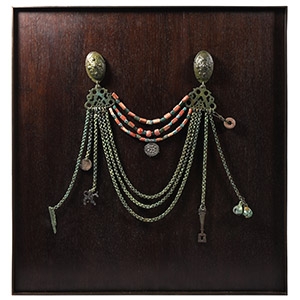
Viking Bronze Tortoise Brooch Necklace Set with Pendants
9th century A.D.Sold for (Inc. bp): £1,950
Comprising: two oval brooches, each domed with raised ornament, wide flange, ferrous remains of the pin to the reverse; suspended from the lower edge of each brooch a triangular openwork spacer plate with three tiers of red and green glass tubular beads, the lower tier with a discoid pendant plaque with bands of raised pellets; three double-link chains running between the plates; three more chains from each plate with an amuletic or decorative pendant comprising a bronze model knife in its sheath, a silver(?) Dirhem coin, an iron model dog with punched decoration, a latch-lifter key, a pair of bronze crotal bells, a stone disc or spindle whorl; displayed on a large high-quality custom-made display stand by Colin Bowles Limited. 7.7 kg total, 56 x 54 cm including display frame
Fine condition, cleaned and conserved.
Family collection formed after World War II; thence by descent. Ex London collection since 2016.
Women's display jewellery in the Viking age comprised both utilitarian and symbolic items. The brooches were worn high on the chest, supporting an apron-type overdress (hangerok) with the beads and chains strung between them and various small items attached. The pendants probably symbolised the authority of the female in the domestic sphere (key, coin, spindle whorl), and in husbandry (model animal, crotal bells, model knife).
