
Loading, please wait...
LOT 1535
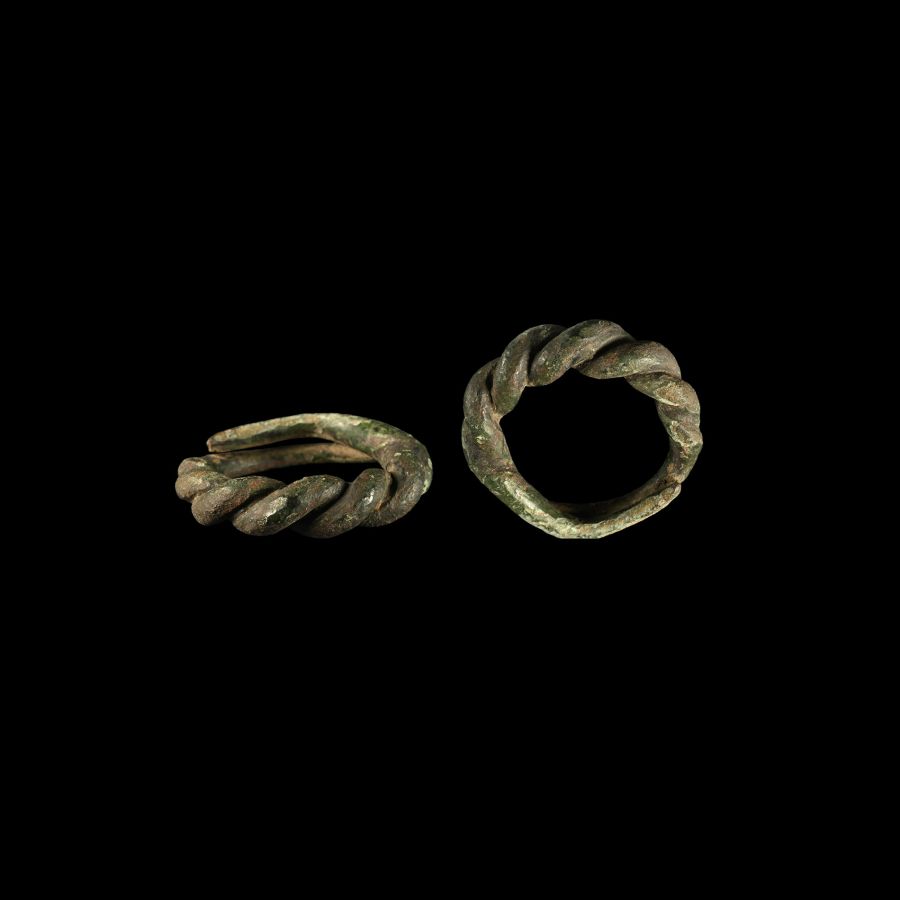
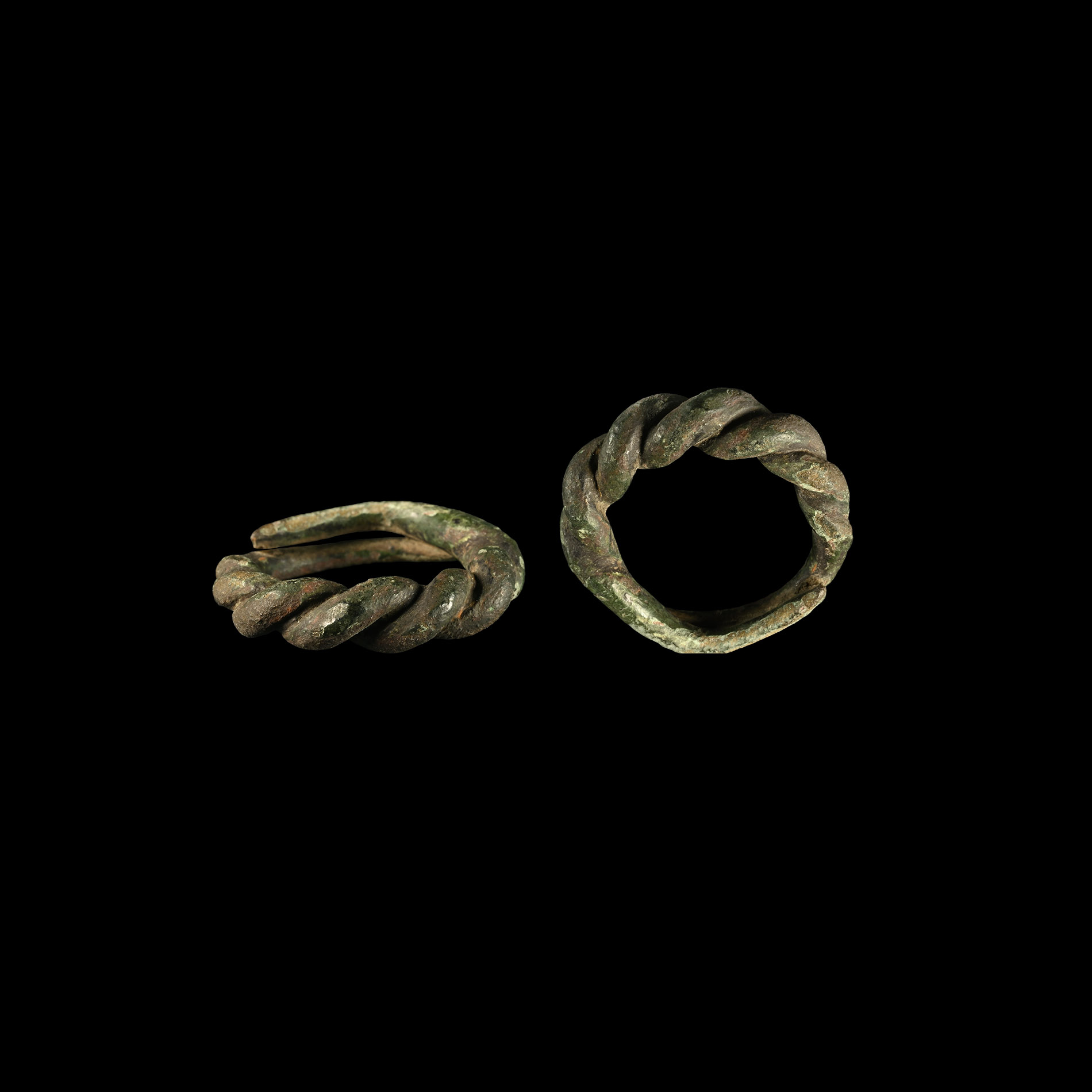
Viking Bronze Faux Twisted Ring
9TH-11TH CENTURY A.D.
1 in. (7.54 grams, 26.22 mm overall, 17.82 mm internal diameter (approximate size British M 1/2, USA 6 1/4, Europe 13.09, Japan 12)).
The hoop formed from overlapping arms. [No Reserve]
ProvenanceFrom the collection of a North American gentleman, formed in the 1990s.
CONDITIONTimeLine Auctions follows a vetting process to ensure the authenticity and legality of all items, reinforcing our commitment to integrity and responsible trading. Each antiquity, antique, and coin lot undergoes thorough examination by a vetting committee of at least ten external specialists, professional trade association members, scientists, and archaeologists: Our Vetting Process
AUCTIONS:
TimeLine is a leading auction house specialising in antiquities, ancient art, collectables, natural history, coins, medals, and books. Our auctions offer museums, collectors, historians, and enthusiasts the opportunity to acquire unique and historically significant pieces.
-
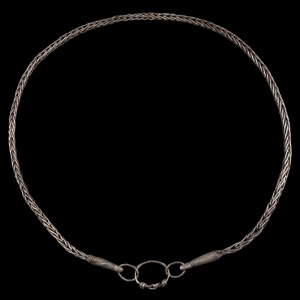
Viking Age Silver Chain Necklace
10th-11th century A.D.Sold for (Inc. bp): £1,430
Composed of openwork links, coiled filigree collars and a central hoop with intertwined bezel and coiled sleeves. 134 grams, 80 cm long
From the collection of a North American gentleman, formed in the 1990s. -
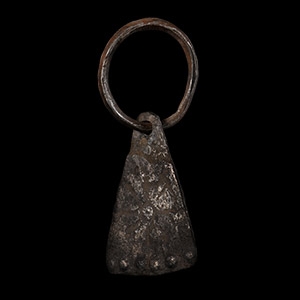
Viking Age Silver Axe Pendant
Circa 9th-11th century A.D.Sold for (Inc. bp): £111
Composed of a free-running wedge-shaped head with sun burst to one face and repoussé pellets to the cutting edge, suspended on a slender carinated ring. 2.99 grams, 40 mm
Ex UK collection since the 1990s. -

Viking Gilt Gotland-Type Fish Pendant
9th-10th century A.D.Sold for (Inc. bp): £494
Composed of a tapering, round-section body with flat base and inverted triangular mouth holding a moveable bar, suspended on a ring with twisted wire coils and stamped with small circles repeated on the bar below; the fish body decorated with four panels of low-relief Mammen Style interlacing with remains of gilding; two circular piercings to each side of the body. 23.2 grams, 72 mm high
Fine condition.
Private collection formed in Europe in the 1980s. Ex Westminster collection, central London, UK.
Originally produced as a necklace element, refashioned at an unspecified point in antiquity into a pendant, possibly as early as the 9th-10th century A.D. Pendants of this type were worn strung together in groups, the tapering profile allowing them to sit comfortably as a collar below the neck. They were often worn suspended between two zoomorphic brooches. This example has been taken from a necklace and mounted on a suspension ring for use as an amuletic pendant.
