
Loading, please wait...
LOT 1665
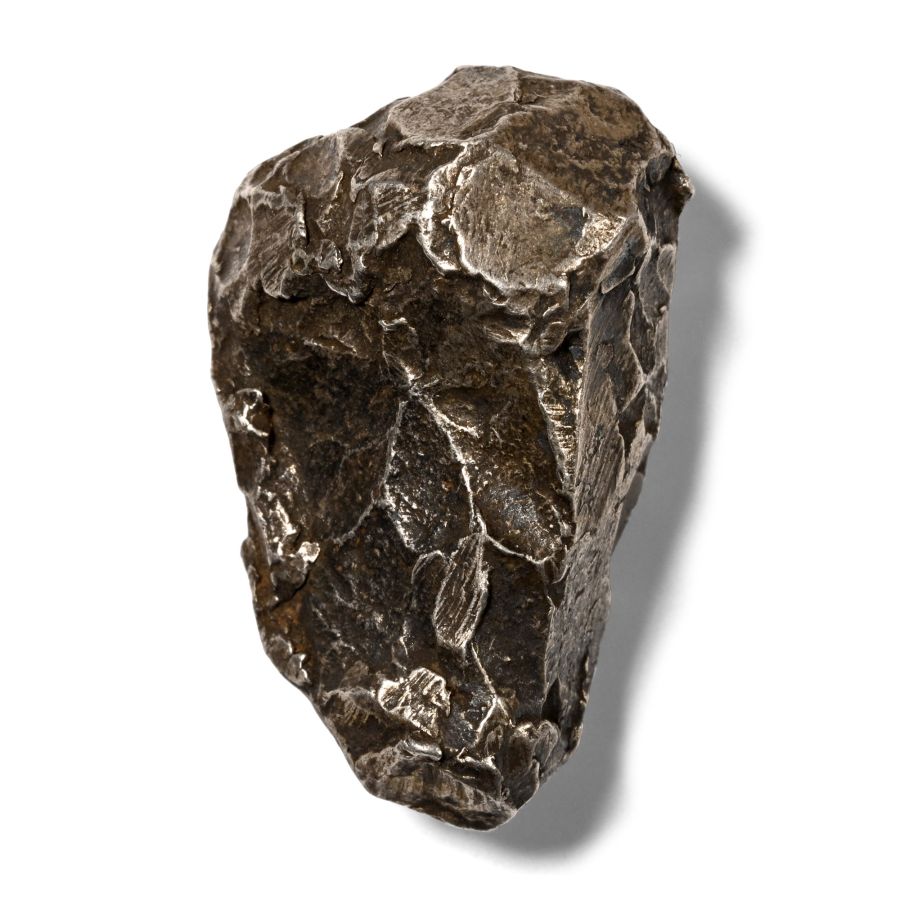
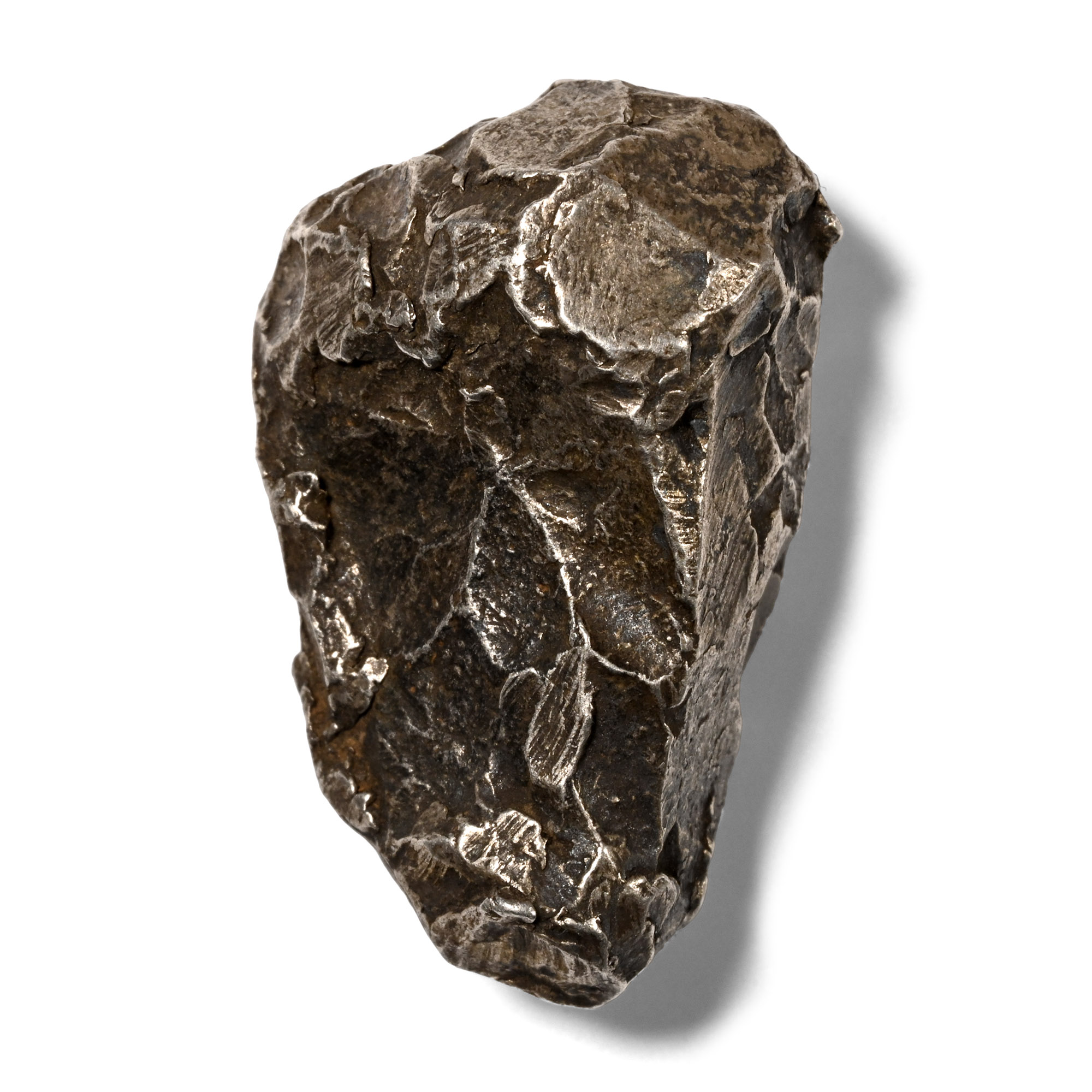
Viking Age Silver 'Currency' Ingot
CIRCA 9TH-11TH CENTURY A.D. OR LATER
1 1/4 in. (32 grams, 30 mm).
A hacked irregular hammered silver ingot, probably melted down loot creating a monetised piece of 'Hack' for Viking trade; X-ray Fluorescence analysis provides the following results: Ag (91.7%), Cu (4.09%), Fe (3.69%), Zn (0.19%), Au (0.19%), Pb (0.13%). [No Reserve]
ProvenanceEx property of a UK gallery, early 2000s.
This lot is accompanied by an illustrated lot declaration signed by the Head of the Antiquities Department, Dr Raffaele D'Amato.
See Hårdh, B., Silver in the Viking Age. A Regional-Economic Study, Acta Archaeologica Lundensia no.25, Stockholm, 1996; Blackburn, M., Viking Coinage and Currency in the British Isles, London, 2011.
FootnotesIngots of gold and silver were regularly produced in the Early Medieval period when trade took place between monetised economies (Anglo-Saxon England, Francia, Frisia) and their non-monetised neighbours in southern Scandinavia (Blackburn, 2011). Ingots were a convenient means of storing wealth which could be converted into display items (weapon fittings, clothing fasteners, tableware) or used to gild silver and bronze items (Hårdh, 1996).
CONDITIONTimeLine Auctions follows a vetting process to ensure the authenticity and legality of all items, reinforcing our commitment to integrity and responsible trading. Each antiquity, antique, and coin lot undergoes thorough examination by a vetting committee of at least ten external specialists, professional trade association members, scientists, and archaeologists: Our Vetting Process
AUCTIONS:
TimeLine is a leading auction house specialising in antiquities, ancient art, collectables, natural history, coins, medals, and books. Our auctions offer museums, collectors, historians, and enthusiasts the opportunity to acquire unique and historically significant pieces.
-
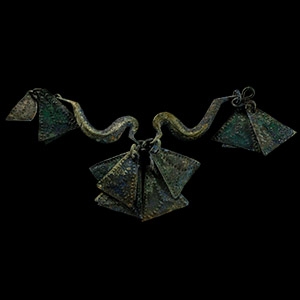
Viking Bronze Pendant Cluster
Early 9th-11th century A.D.Estimate: £400 - 600 (+bp*)
Opening Bid: £200
Comprising two hollow-formed serpentine spacers each with a loop at the outer end and a cluster of sheet bronze triangular dangles, median junction with loop and more triangular dangles. 96 grams, 24 cm
Acquired on the London art market, 1990s. Private collection, London. This lot is accompanied by an illustrated lot declaration signed by the Head of the Antiquities Department, Dr Raffaele D'Amato. -
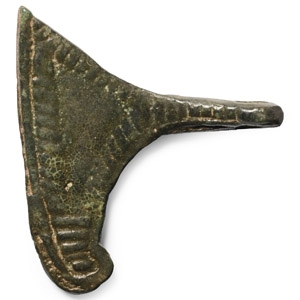
Viking Age Decorated Bronze Broad Axehead Pendant
9th-11th century A.D.Sold for (Inc. bp): £130
Formed with a ropework band to the edge of each cheek and the socket, doubling as the suspension loop. 5.2 grams, 33 mm wide
From the private collection of a London gentleman, from his grandfather's collection formed before the early 1970s. This lot is accompanied by an illustrated lot declaration signed by the Head of the Antiquities Department, Dr Raffaele D'Amato. -
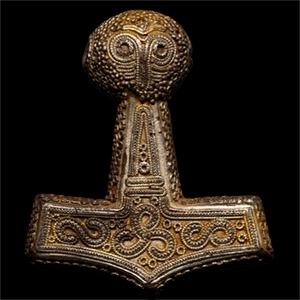
Scandinavian Viking Silver-Gilt Filigree Thor's Hammer Pendant
9th century A.D.Sold for (Inc. bp): £19,500
Hollow-formed and flat-section with applied facial detailing to the suspension lobe, filigree and granule detailing. 12.5 grams, 47 mm
Private collection formed in Europe in the 1980s. Westminster collection, central London, UK. This lot has been checked against the Interpol Database of stolen works of art and is accompanied by a search certificate number no.12735-235602. This lot has been cleared against the Art Loss Register database, and is accompanied by an illustrated lot declaration signed by the Head of the Antiquities Department, Dr Raffaele D'Amato.
