
Loading, please wait...
LOT 1565
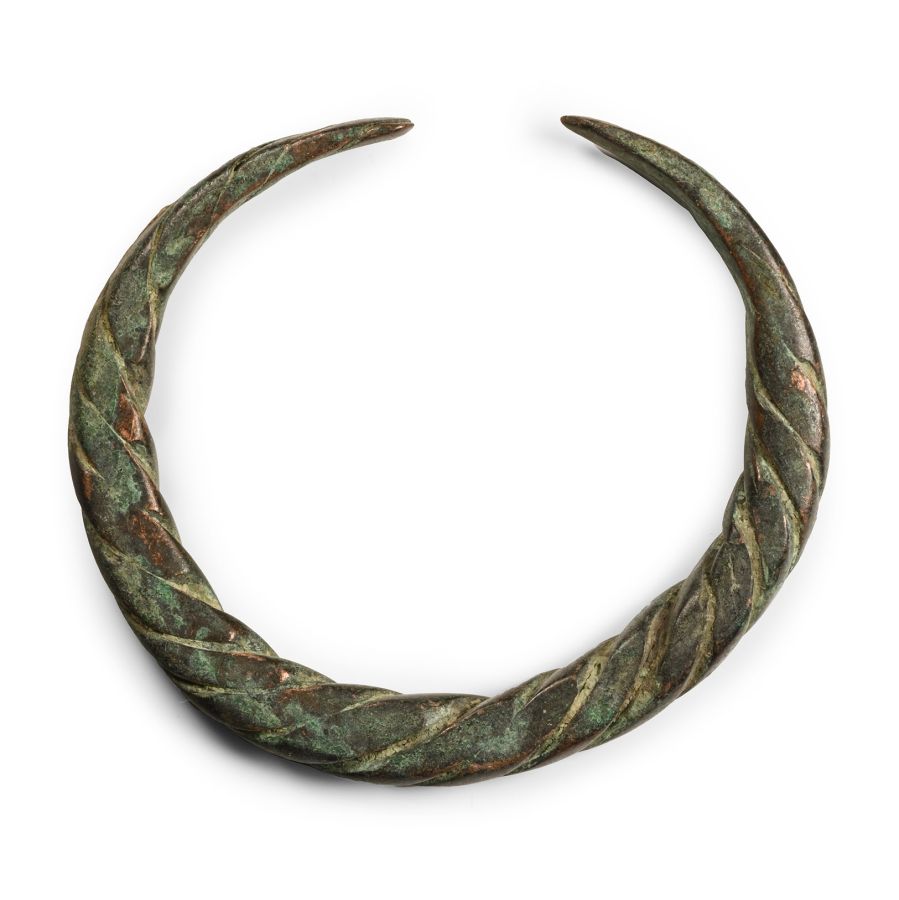
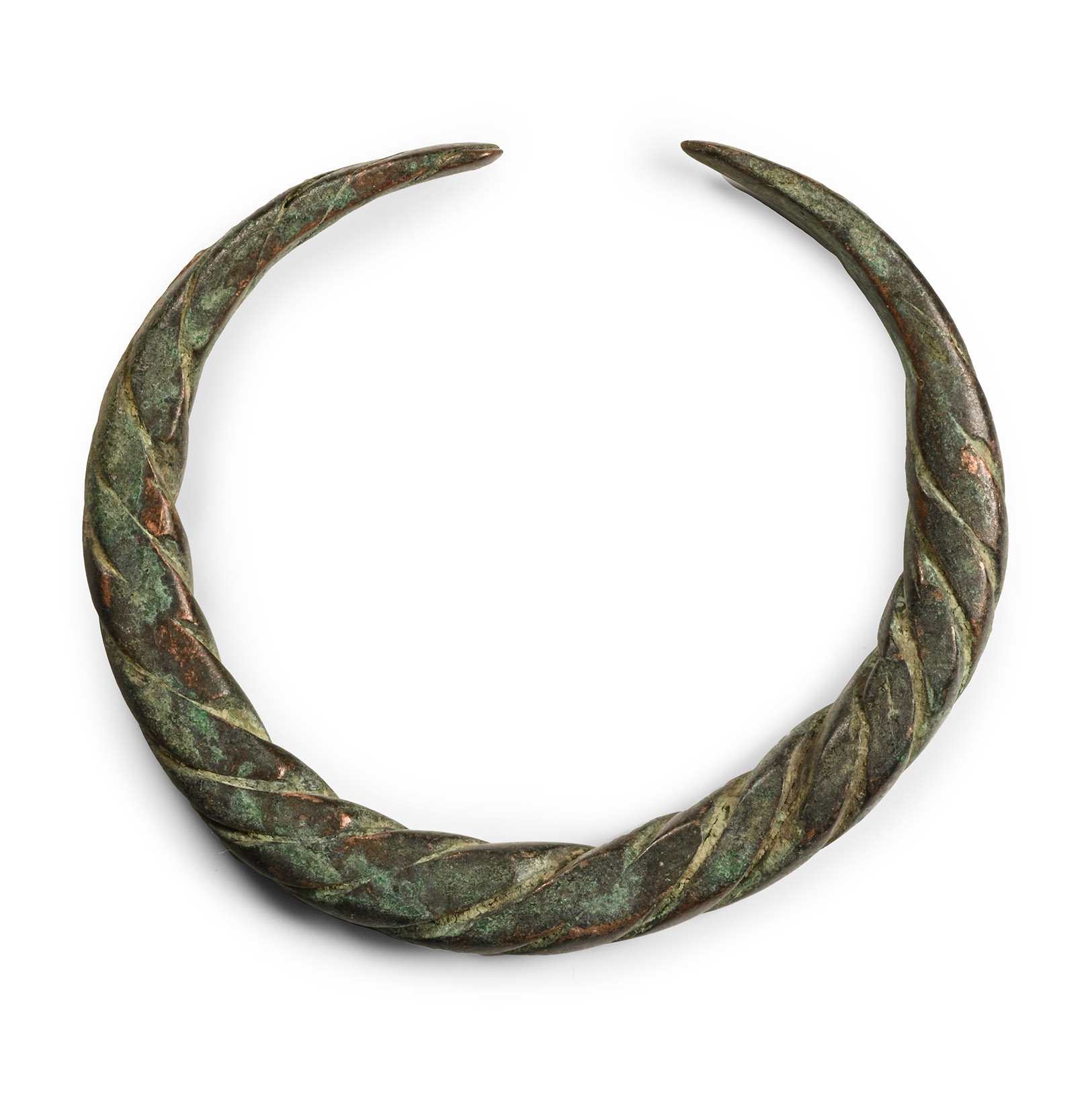
Viking Age Bronze Twisted Bracelet
9TH-11TH CENTURY A.D.
2 1/2 in. (40.6 grams, 64 mm).
Twisted rods forming a penannular shank with hammered finials. [No Reserve]
ProvenancePrivate collection, Arundel, West Sussex, UK, 1975-late 1990s.
CONDITIONTimeLine Auctions follows a vetting process to ensure the authenticity and legality of all items, reinforcing our commitment to integrity and responsible trading. Each antiquity, antique, and coin lot undergoes thorough examination by a vetting committee of at least ten external specialists, professional trade association members, scientists, and archaeologists: Our Vetting Process
AUCTIONS:
TimeLine is a leading auction house specialising in antiquities, ancient art, collectables, natural history, coins, medals, and books. Our auctions offer museums, collectors, historians, and enthusiasts the opportunity to acquire unique and historically significant pieces.
-
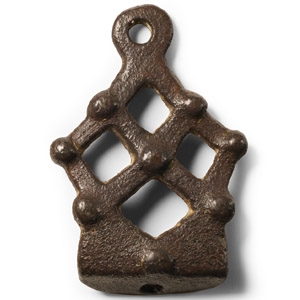
Anglo-Scandinavian Viking Bronze Lozenge-Shaped Openwork Apex Stirrup Mount
9th-11th century A.D.Sold for (Inc. bp): £104
Lozenge-shaped piercings and raised pellets to the body, a single piercing to both terminals. 18.12 grams, 47 mm
Found whilst searching with a metal detector in East Anglia, UK. -
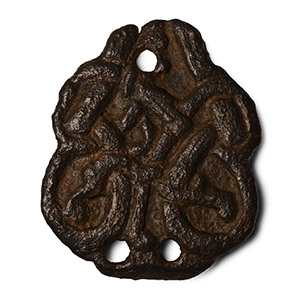
Anglo-Scandinavian Viking Bronze Apex Stirrup Mount with Urnes Entwined Beasts
9th-11th century A.D.Estimate: £400 - 600 (+bp*)
Opening Bid: £200
An exceptionally rare tulip-shaped mount with Urnes Style interlace, pierced at the apex and twice at the base above the shallow rear ledge. 23 grams, 48 mm
Found whilst searching with a metal detector in East Anglia, UK. -

Anglo-Scandinavian Viking Bronze Urnes Style Entwined Beast Stirrup Mount
11th century A.D.Sold for (Inc. bp): £468
A rare variant of Williams's Class A Type 10b, a heater-shaped plaque with pierced lug at the apex, two piercings below, low-relief openwork Urnes style design with standing beast and entwined tendrils, narrow ledge to the reverse, the apex terminating in a diamond shape. 30.48 grams, 54 mm
Found Cambridgeshire, UK.
The mount has the decorative scheme of Williams's Class A Type 10b but its proportions are closer to his Class A Type 11 with a narrow and elongated upper knop.
