
Loading, please wait...
LOT 1710
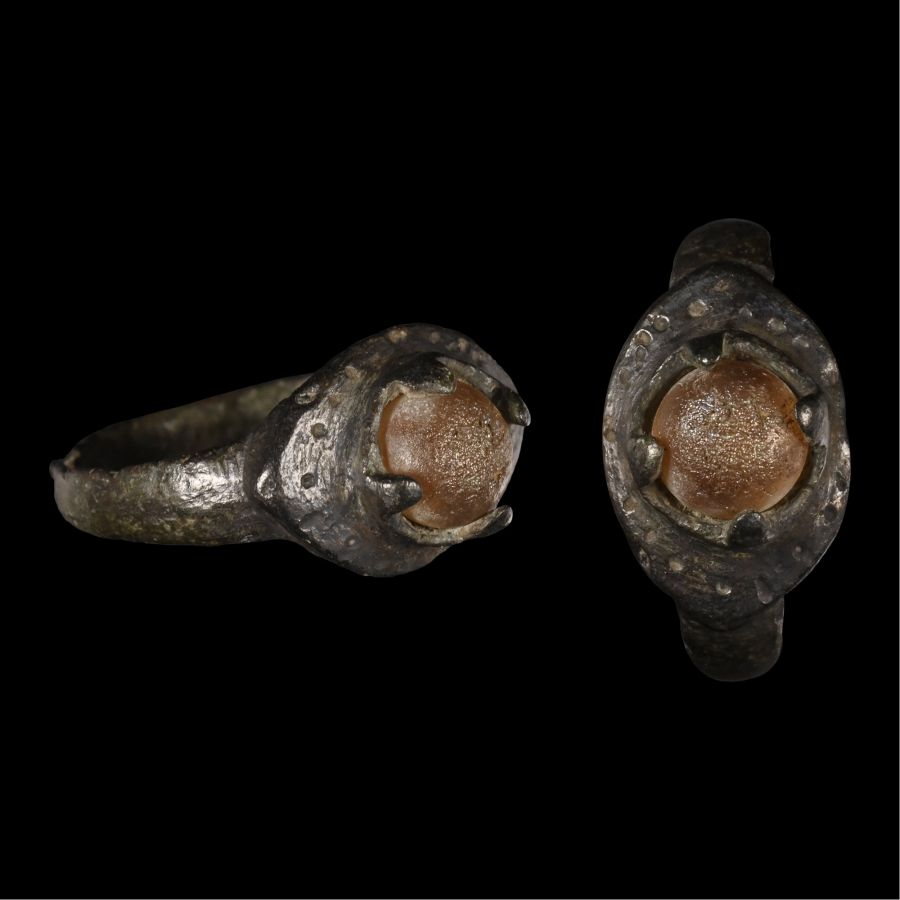
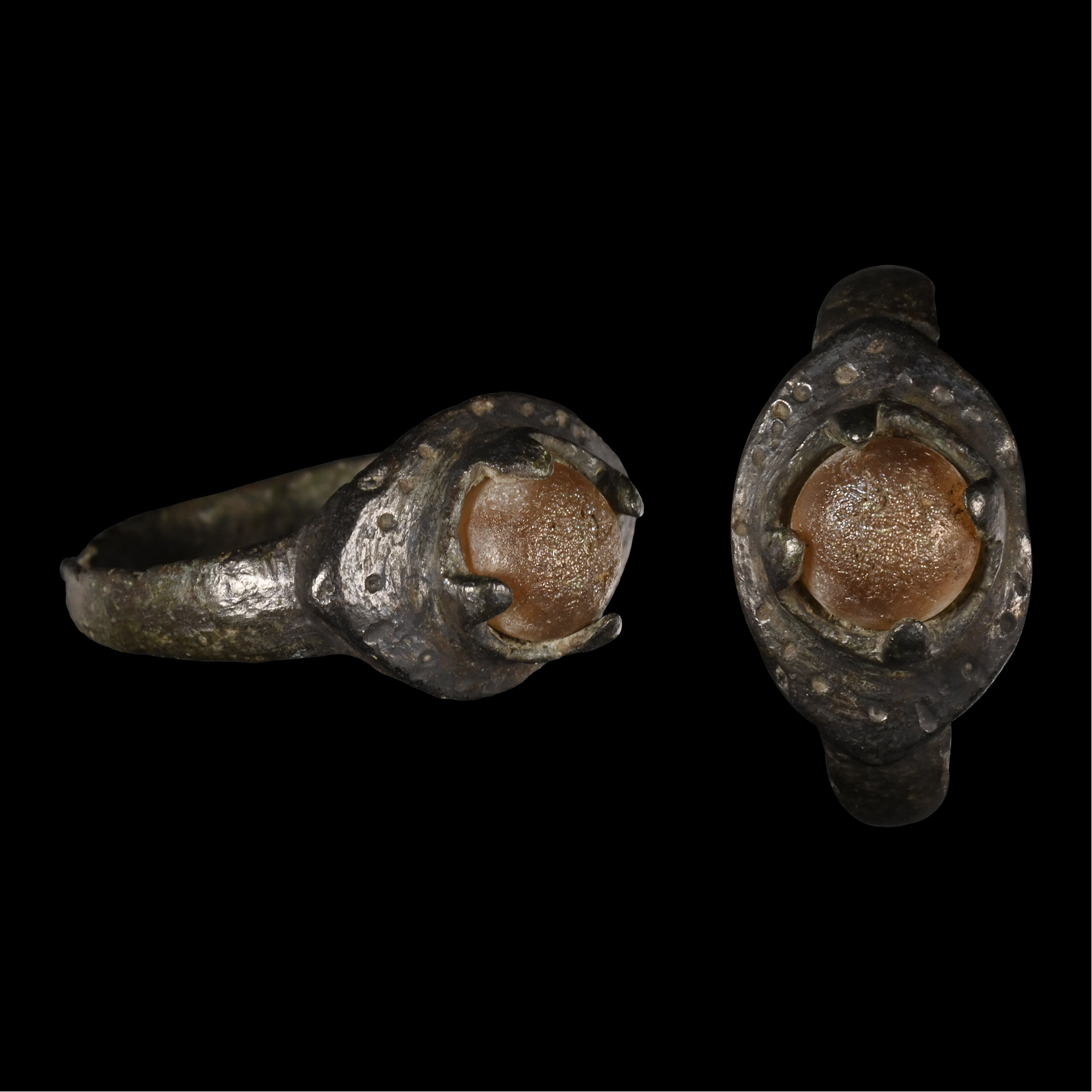
Viking Age Bronze Ring with Cabochon
9TH-12TH CENTURY A.D.
1 in. (3.05 grams, 24.31 mm overall, 17.63 mm internal diameter (approximate size British O 1/2, USA 7 1/4, Europe 15.61, Japan 15)).
Comprising a slender hoop with oval bezel set with an amber-coloured glass cabochon in claw setting. [No Reserve]
ProvenanceEx German art market, 2000s.
Acquired from an EU collector living in London.
From the collection of a Surrey, UK, gentleman.
This lot is accompanied by an illustrated lot declaration signed by the Head of the Antiquities Department, Dr Raffaele D'Amato.
TimeLine Auctions follows a vetting process to ensure the authenticity and legality of all items, reinforcing our commitment to integrity and responsible trading. Each antiquity, antique, and coin lot undergoes thorough examination by a vetting committee of at least ten external specialists, professional trade association members, scientists, and archaeologists: Our Vetting Process
AUCTIONS:
TimeLine is a leading auction house specialising in antiquities, ancient art, collectables, natural history, coins, medals, and books. Our auctions offer museums, collectors, historians, and enthusiasts the opportunity to acquire unique and historically significant pieces.
-
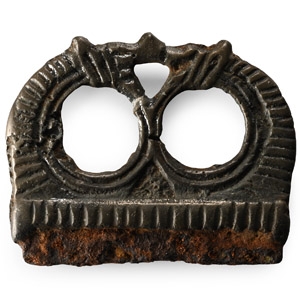
Viking Bronze Handled Firesteel with Conjoined Horse Heads
9th-11th century A.D.Estimate: £250 - 350 (+bp*)
Opening Bid: £125
With bronze handle formed as two opposing dragons, each biting its own tail forming the loops; iron striker below. 28.7 grams, 52 mm
Private collection formed in Europe in the 1980s. Westminster collection, central London, UK. This lot is accompanied by an illustrated lot declaration signed by the Head of the Antiquities Department, Dr Raffaele D'Amato. -
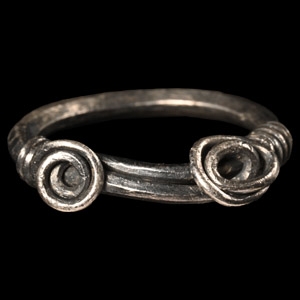
Viking Age Silver Ring with Coiled Bezel
9th-11th century AD.Sold for (Inc. bp): £650
Comprising a round-section hoop coiled around itself forming an interwoven spiral bezel. 3.47 grams, 23.07 mm overall, 18.20 mm internal diameter (approximate size British L, USA 5 3/4, Europe 11.24, Japan 10)
Ex German art market, 2000s. Acquired from an EU collector living in London. From the collection of a Surrey, UK, gentleman. This lot is accompanied by an illustrated lot declaration signed by the Head of the Antiquities Department, Dr Raffaele D'Amato. -
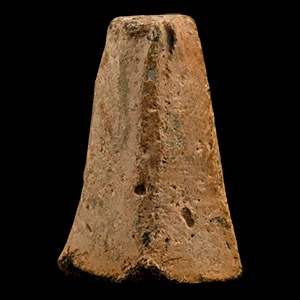
Viking Age Lead Gaming Piece
Circa 9th-11th century A.D.Sold for (Inc. bp): £26
Hollow-formed and pyramidal in profile with open underside. 10.5 grams, 19 mm
Found Yorkshire, UK. From the private collection of Robin Sykes, Yorkshire, UK, formed since the late 1990s. This lot is accompanied by an illustrated lot declaration signed by the Head of the Antiquities Department, Dr Raffaele D'Amato.
