
Loading, please wait...
LOT 1532
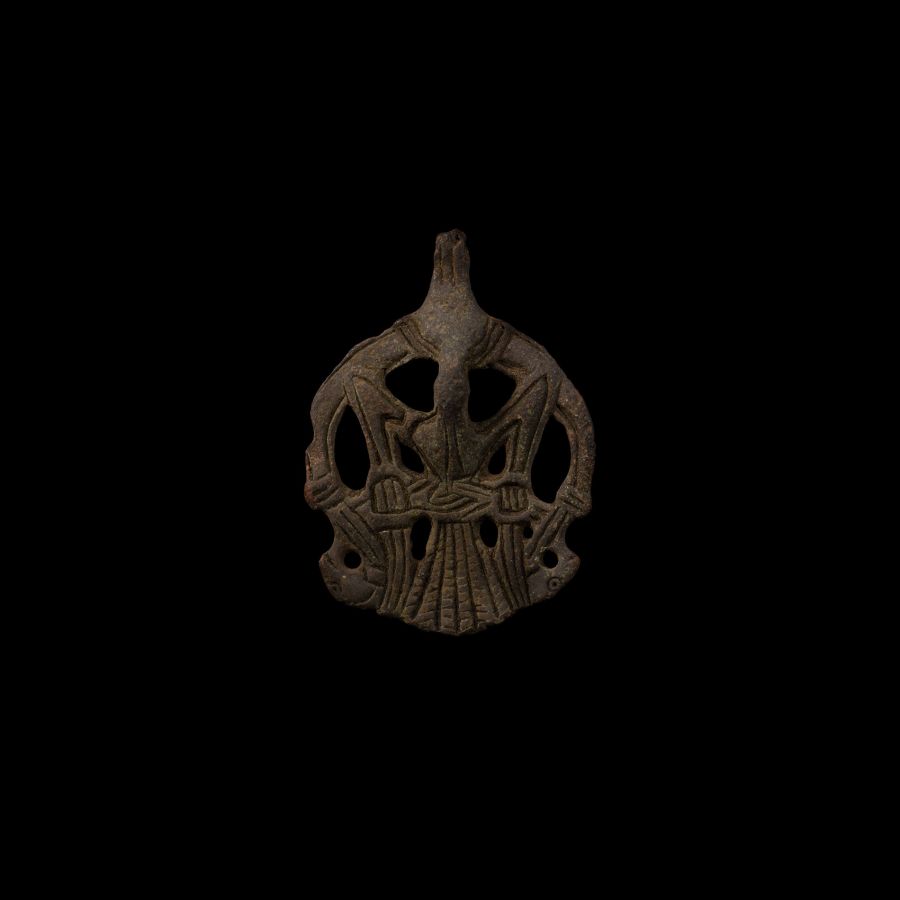
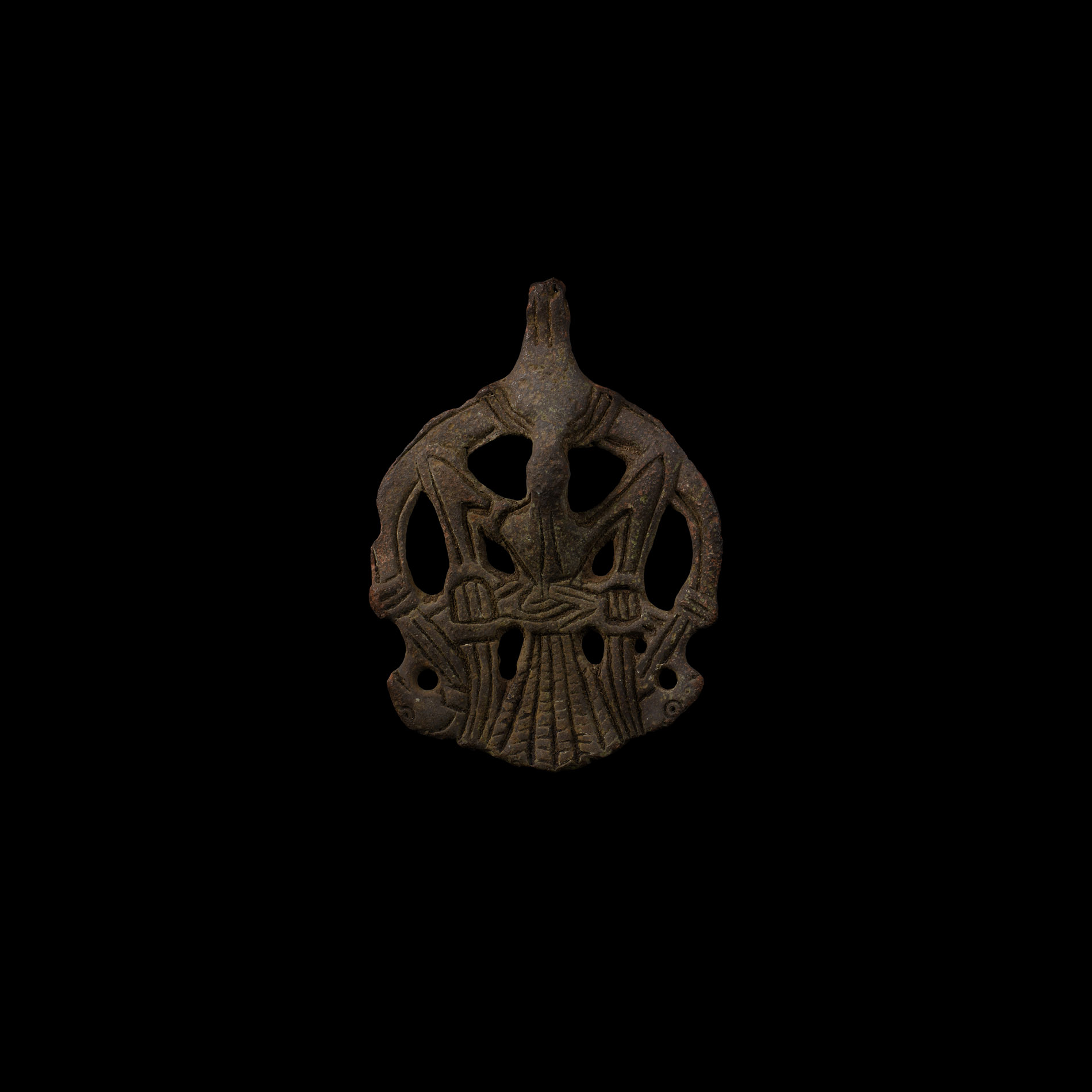
Viking Age Bronze Pendant with Bound Bird
9TH-11TH CENTURY A.D.
2 3/8 in. (22.1 grams, 62 mm).
Composed of an openwork body with suspension loop, additional serpentine zoomorphs forming the frame. [No Reserve]
ProvenanceFrom the collection of a North American gentleman, formed in the 1990s.
CONDITIONTimeLine Auctions follows a vetting process to ensure the authenticity and legality of all items, reinforcing our commitment to integrity and responsible trading. Each antiquity, antique, and coin lot undergoes thorough examination by a vetting committee of at least ten external specialists, professional trade association members, scientists, and archaeologists: Our Vetting Process
AUCTIONS:
TimeLine is a leading auction house specialising in antiquities, ancient art, collectables, natural history, coins, medals, and books. Our auctions offer museums, collectors, historians, and enthusiasts the opportunity to acquire unique and historically significant pieces.
-
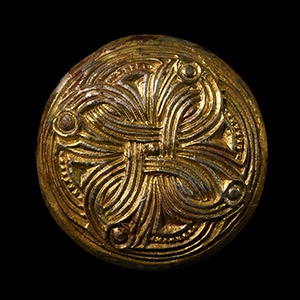
Viking Age Silver-Gilt Disc Brooch with Entwined Heads
9th-11th century A.D.Sold for (Inc. bp): £1,300
Domed brooch with gilding to the obverse, raised design of four bird-heads with billets to the neck, enmeshed beaks and other parts, pellet eyes; chamfered rim; reverse with catch, pin-lugs and loop for attachment of a chain. 25.6 grams, 45 mm
Private collection formed in Europe in the 1980s. Westminster collection, central London, UK. -
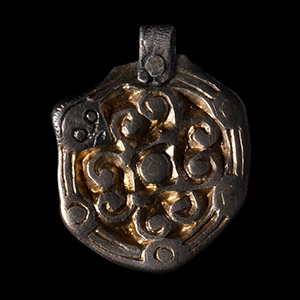
Viking Age Silver-Gilt Pendant with Face
9th-10th century A.D.Estimate: £300 - 400 (‡+bp*)
Opening Bid: £150
Displaying scroll decoration to the centre, a bearded male face to the rim, later silver attachment loop; remains of gilding to the centre. 3.2 grams, 21 mm
From the family collection of a London gentleman; formed in the late 1940s-1950s; thence by descent. -
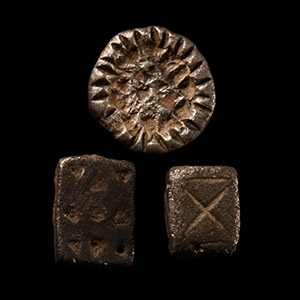
Viking Age Silver Trade Weight Group
9th-11th century A.D.Sold for (Inc. bp): £46
One a discoid bezel(?) with notched edge, two fragments of rectangular bar. 4.2 grams total, 6-9 mm
Acquired on the London art market, 1990s.
