
Loading, please wait...
LOT 1803
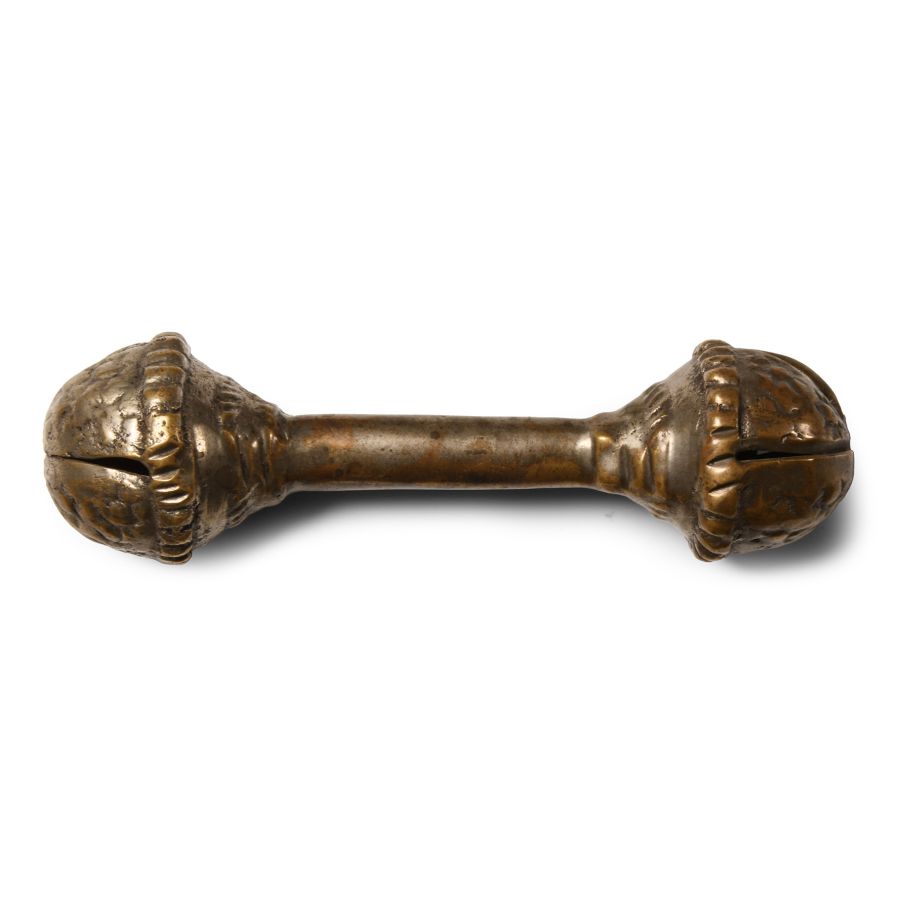
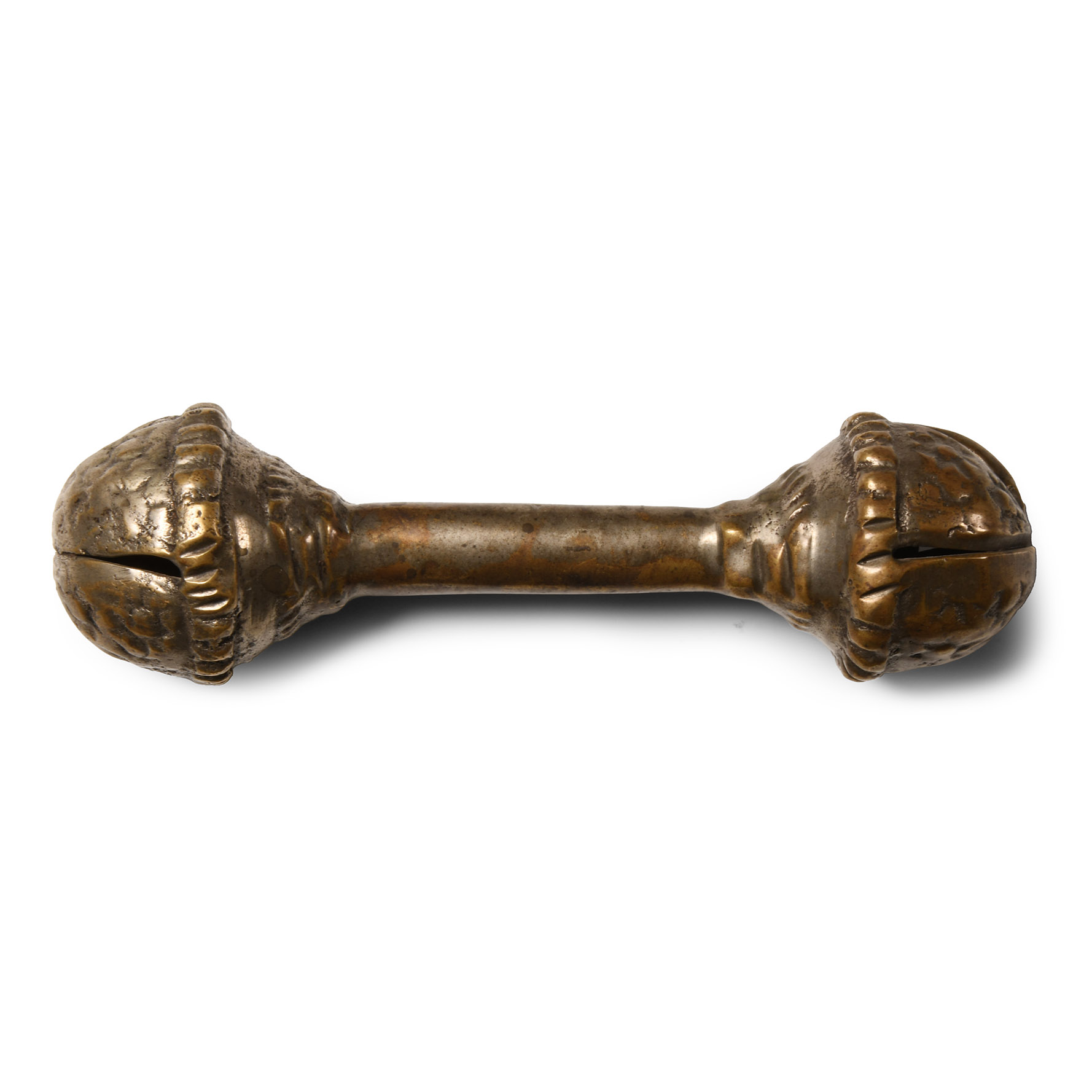
Victorian Bronze Child's Rattle
CIRCA 1860-1880 A.D.
4 1/2 in. (156 grams, 11.7 cm).
Double-ended rattle with high-relief ropework collar to each end and crotal-bell finials. [No Reserve]
ProvenanceEx West Sussex, UK, collection.
Property of a High Wycombe, Buckinghamshire, UK, gentleman.
TimeLine Auctions follows a vetting process to ensure the authenticity and legality of all items, reinforcing our commitment to integrity and responsible trading. Each antiquity, antique, and coin lot undergoes thorough examination by a vetting committee of at least ten external specialists, professional trade association members, scientists, and archaeologists: Our Vetting Process
AUCTIONS:
TimeLine is a leading auction house specialising in antiquities, ancient art, collectables, natural history, coins, medals, and books. Our auctions offer museums, collectors, historians, and enthusiasts the opportunity to acquire unique and historically significant pieces.
-
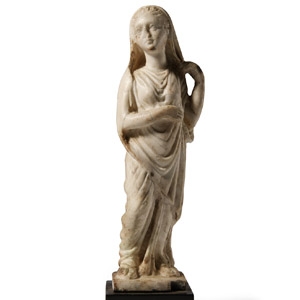
Marble Statue of a Lady
Circa 18th-19th century A.D.Sold for (Inc. bp): £546
Romantic vision of a Roman lady with a palla draped over her head and shoulders, wearing a stola and sandals; mounted on a custom-made stand. 790 grams total, 23.5 cm including stand
From a collection acquired on the UK art market from various auction houses and collections mostly before 2000. From an important Cambridgeshire estate; thence by descent. -
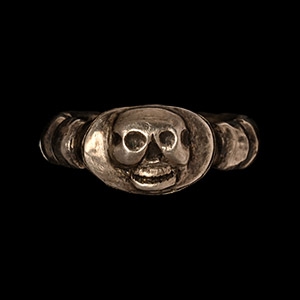
Georgian Silver Memento Mori Skull Ring with Monogram
Circa 18th century A.D.Sold for (Inc. bp): £416
Substantial hoop with segmented profile, high-relief with clasped hands motif to the underside, ellipsoid bezel with facing skull motif in the half-round, 'cross and M' monogram to the back of the bezel. 12.14 grams, 26.33 mm overall, 17.88 mm internal diameter (approximate size British P, USA 7 1/2, Europe 16.23, Japan 15)
Private collection, Arundel, West Sussex, UK, 1975-late 1990s. -
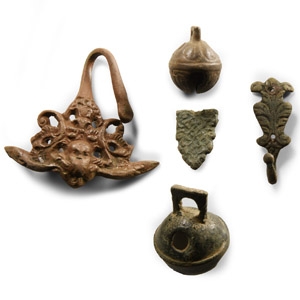
Post Medieval Bronze Artefact Collection
1500-1700 A.D.Sold for (Inc. bp): £20
Including crotal bells, belt mounts and other items. 110 grams total, 29-68 mm
Found North Yorkshire, UK. Accompanied by a copy of the British Museum's Portable Antiquities Scheme (PAS) report no.SWYOR-DB4371.
