
Loading, please wait...
LOT 1192
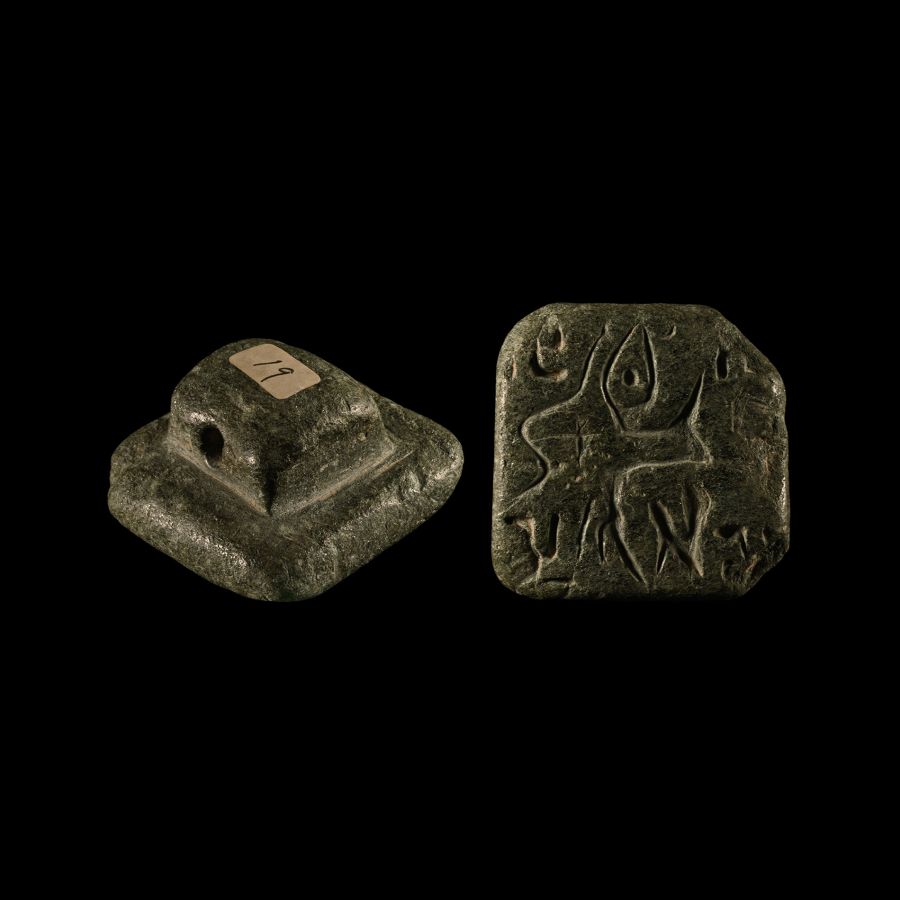
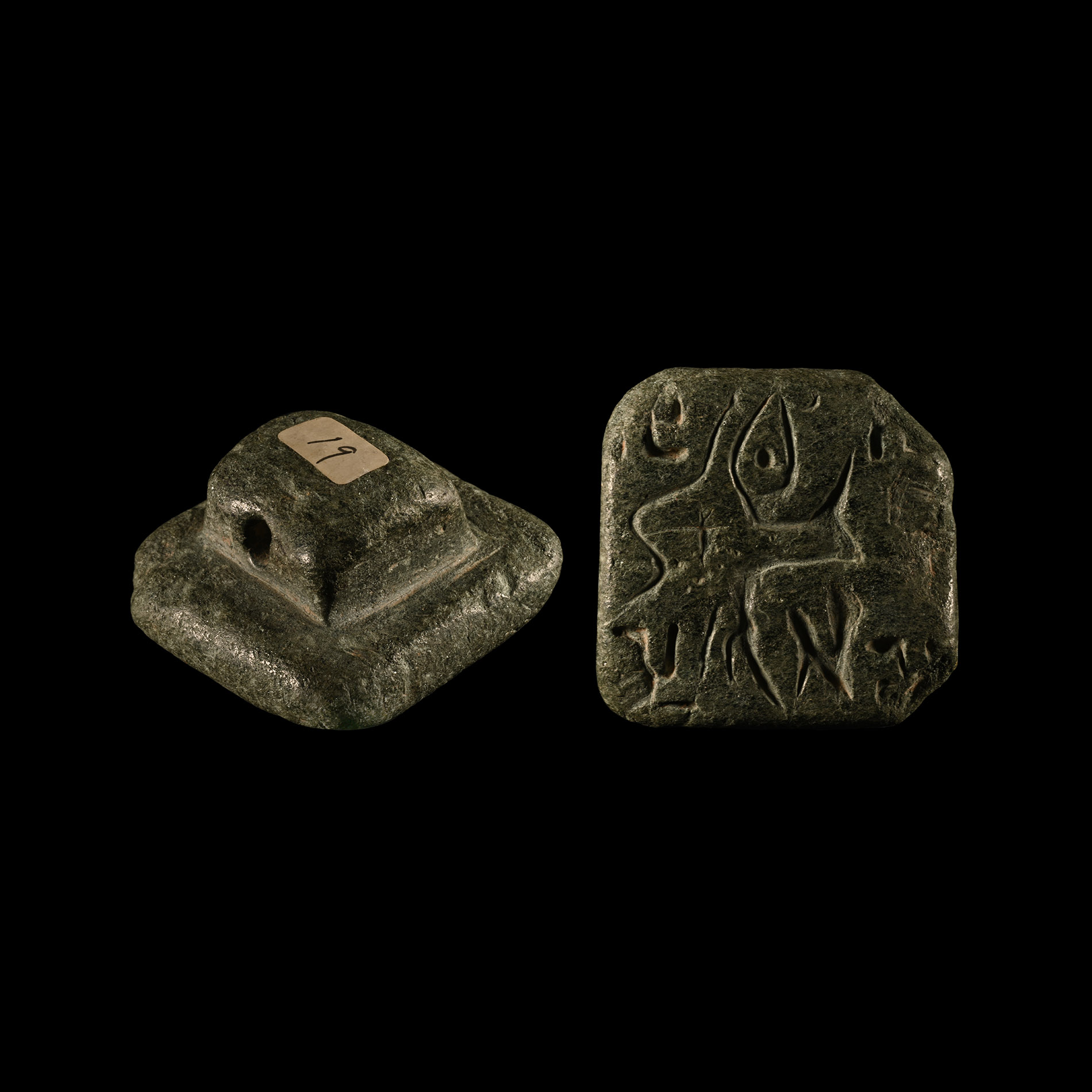
Very Large Western Asiatic Stone Stamp Seal
CIRCA 3000 B.C.
2 in. (100 grams, 51 mm).
Of square shape, striated lines and locating holes on the surface; the reverse with a domed, pierced plaque.
ProvenanceCollected from 1969-1999.
From the collection of the late Mr S.M., London, UK.
Cf. Ameri, M., Kielt Costello, S., Jamison, G., Scott, S.J., Seals and sealings in Ancient World, Case studies from Near East, Egypt. the Aegean, and South Asia, Cambridge, 2018, fig.2.5, from Konar Sandal, for similar.
FootnotesSuch seals can be associated with distinct communities during the Bronze Age, particularly those engaged in trade with the Indus Valley. In particular, they are associated with the presence of Mesopotamians on the Iranian plateau and the emergent elite of the Early Dynastic city-states.
CONDITIONTimeLine Auctions follows a vetting process to ensure the authenticity and legality of all items, reinforcing our commitment to integrity and responsible trading. Each antiquity, antique, and coin lot undergoes thorough examination by a vetting committee of at least ten external specialists, professional trade association members, scientists, and archaeologists: Our Vetting Process
AUCTIONS:
TimeLine is a leading auction house specialising in antiquities, ancient art, collectables, natural history, coins, medals, and books. Our auctions offer museums, collectors, historians, and enthusiasts the opportunity to acquire unique and historically significant pieces.
-
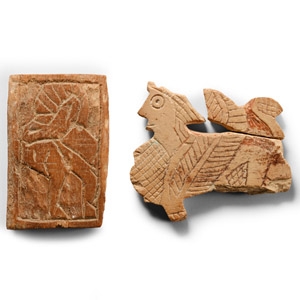
Western Asiatic Bone Inlay Group
1st millennium B.C.Sold for (Inc. bp): £117
Comprising: sphinx with wing and hatched field, red pigment; reserved bird on a rectangular field with border. 17.5 grams total, 39-40 mm
Collected from 1969-1999. From the collection of the late Mr S.M., London, UK. -
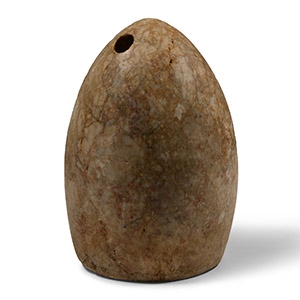
Bactrian Stone Tent Weight
1st millennium B.C.Sold for (Inc. bp): £1,300
Bullet-shaped idol or weight with perforation to the barrow end, flat base. 7.8 kg, 21 cm
Ex London, UK, gallery, 1971-early 2000s. -
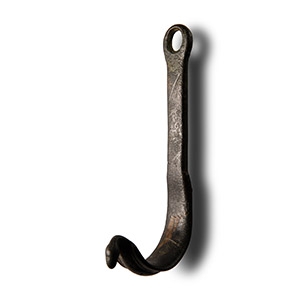
Western Asiatic Bronze Hook
1st millennium B.C.Sold for (Inc. bp): £59
With suspension loop, rectangular-section shank, recurved lower body with ribbed cross-section, acorn finial. 61 grams, 10.9 cm
From a collection acquired on the UK art market from various auction houses and collections mostly before 2000. From an important Cambridgeshire estate; thence by descent.
