
Loading, please wait...
LOT 1362
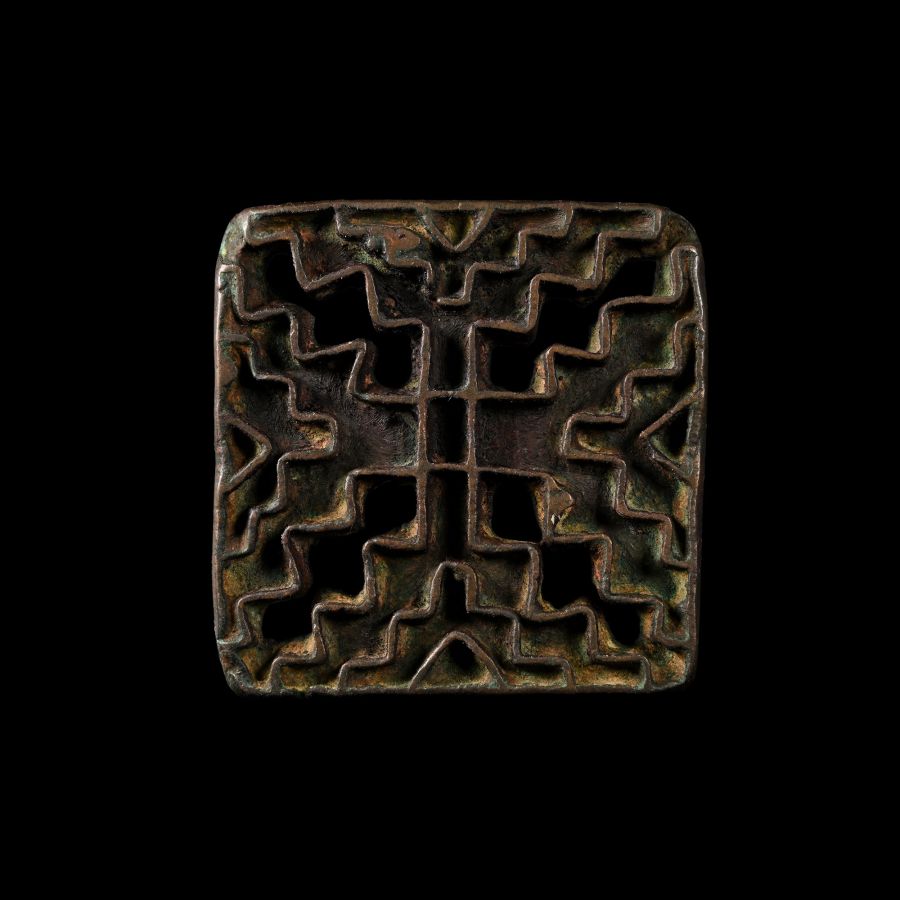
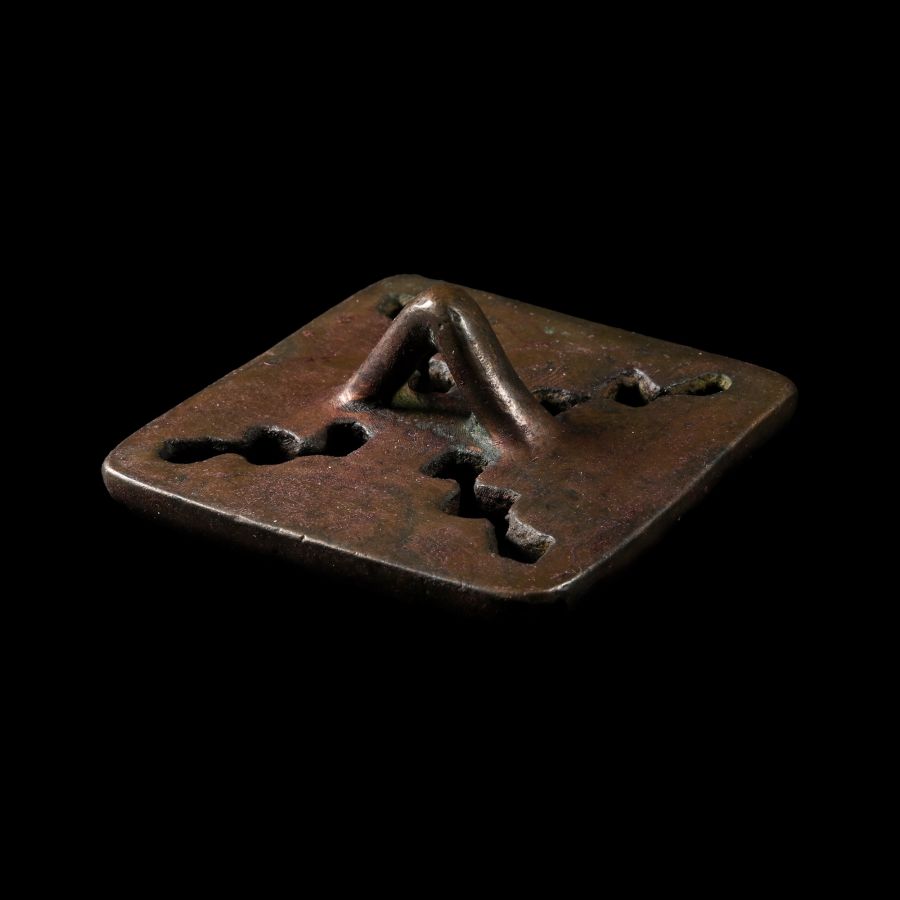
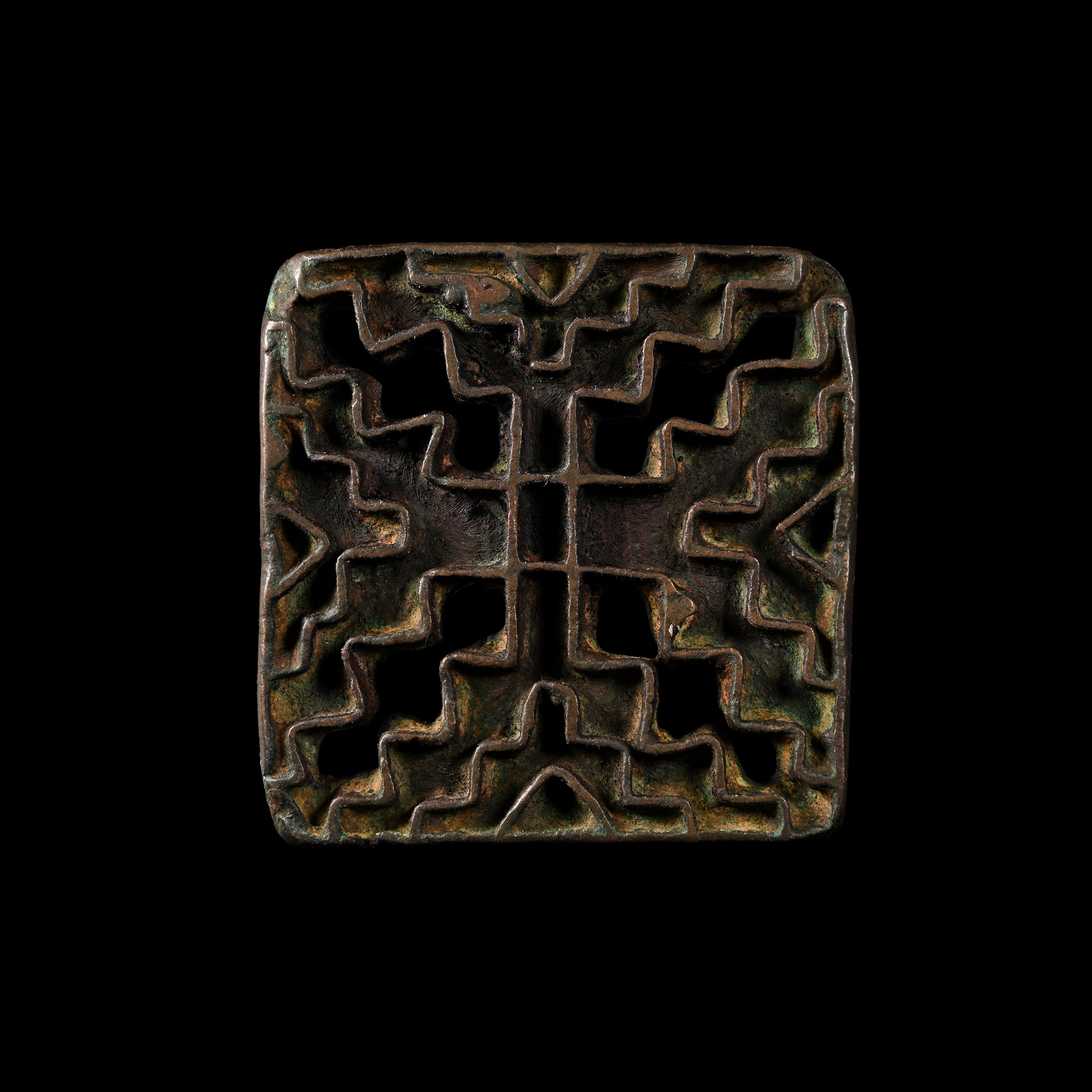
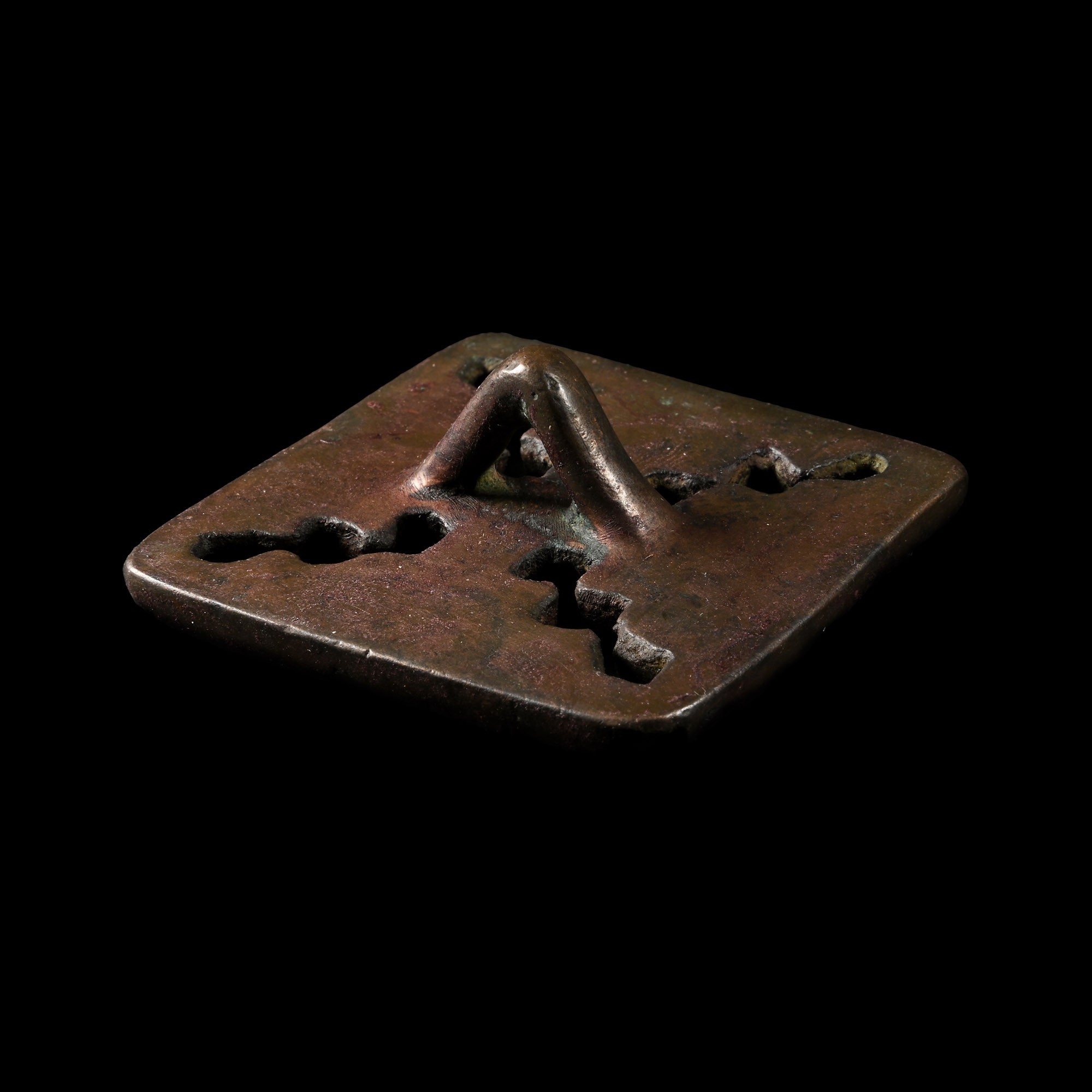
Very Large West Central Asian Bronze Stamp Seal Matrix with Stepped Cross
CIRCA 2300-2000 B.C.
2 3/8 in. (79 grams, 60 mm).
Square in plan with chevron handle, openwork stepped saltire design.
ProvenanceEx collection of a late London gentleman, 1990s.
This lot has been cleared against the Art Loss Register database, and is accompanied by an illustrated lot declaration signed by the Head of the Antiquities Department, Dr Raffaele D'Amato.
TimeLine Auctions follows a vetting process to ensure the authenticity and legality of all items, reinforcing our commitment to integrity and responsible trading. Each antiquity, antique, and coin lot undergoes thorough examination by a vetting committee of at least ten external specialists, professional trade association members, scientists, and archaeologists: Our Vetting Process
AUCTIONS:
TimeLine is a leading auction house specialising in antiquities, ancient art, collectables, natural history, coins, medals, and books. Our auctions offer museums, collectors, historians, and enthusiasts the opportunity to acquire unique and historically significant pieces.
LOT 1362
Very Large West Central Asian Bronze Stamp Seal Matrix with Stepped Cross
Estimate £150 - 200€170 - 230 (for guidance only)$200 - 270 (for guidance only)
-
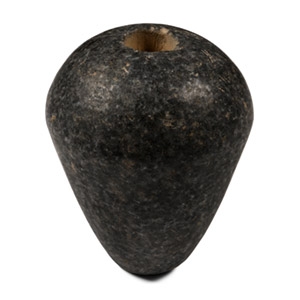
Western Asiatic Stone Macehead
3rd-2nd millennium B.C.Sold for (Inc. bp): £117
Piriform with vertical socket expanding towards the narrower end. 383 grams, 8 cm
From the collection of a London, UK, gentleman, 1990s. This lot has been cleared against the Art Loss Register database, and is accompanied by an illustrated lot declaration signed by the Head of the Antiquities Department, Dr Raffaele D'Amato. -
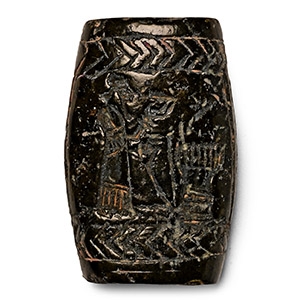
Assyrian Green Serpentine Amulet with Worshippers
Circa 900-600 B.C.Sold for (Inc. bp): £780
Bifacial amulet with chevron borders and worshippers, accompanied by a copy of an old scholarly note, typed and signed by W.G. Lambert, late Professor of Assyriology, University of Birmingham, 1970-1993, which states: 'Amulet of Green Serpentine, 31mm. high. There is a band of chevrons at both top and bottom of this amulet, going in opposite directions. Between them on the one side is a standing worshipper holding up a cup in one hand and a bow in the other, in front of him an altar. On the other side is a sacred tree under a winged solar disc, and to the other side of the tree is a minute worshipper with hands extended. [...] from any part of the [...].' 11.9 grams, 31 mm
with Bonhams, Fine Antiquities, 20th May, 1992, no.76. Accompanied by a copy of a scholarly note, typed and signed by Professor Wilfrid George Lambert in 1990. -
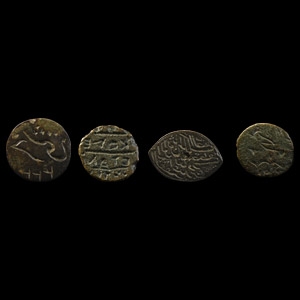
Western Asiatic Bronze Seal Matrix Group
17th-18th century A.D.Sold for (Inc. bp): £59
Comprising four seal matrices, each with an inscribed matrix. 14 grams total, 19.6-25.3 mm
Ex German art market, 2000s. Acquired from an EU collector living in London. From the collection of a Surrey, UK, gentleman.
