
Loading, please wait...
LOT 1066
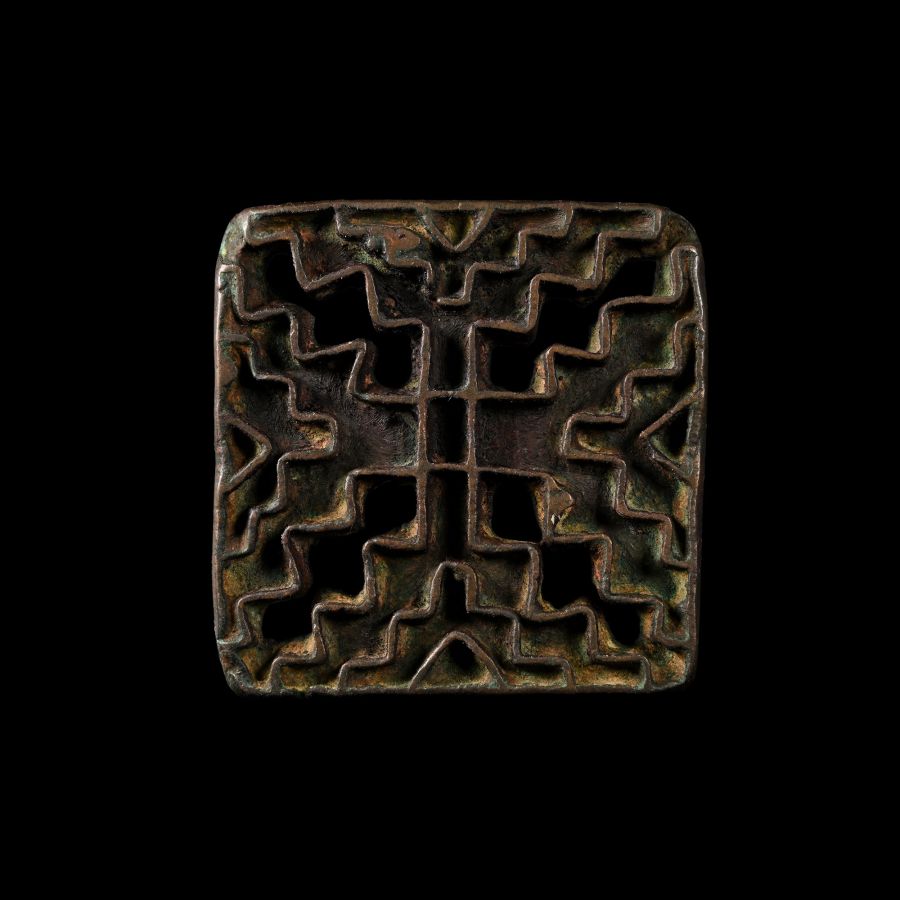
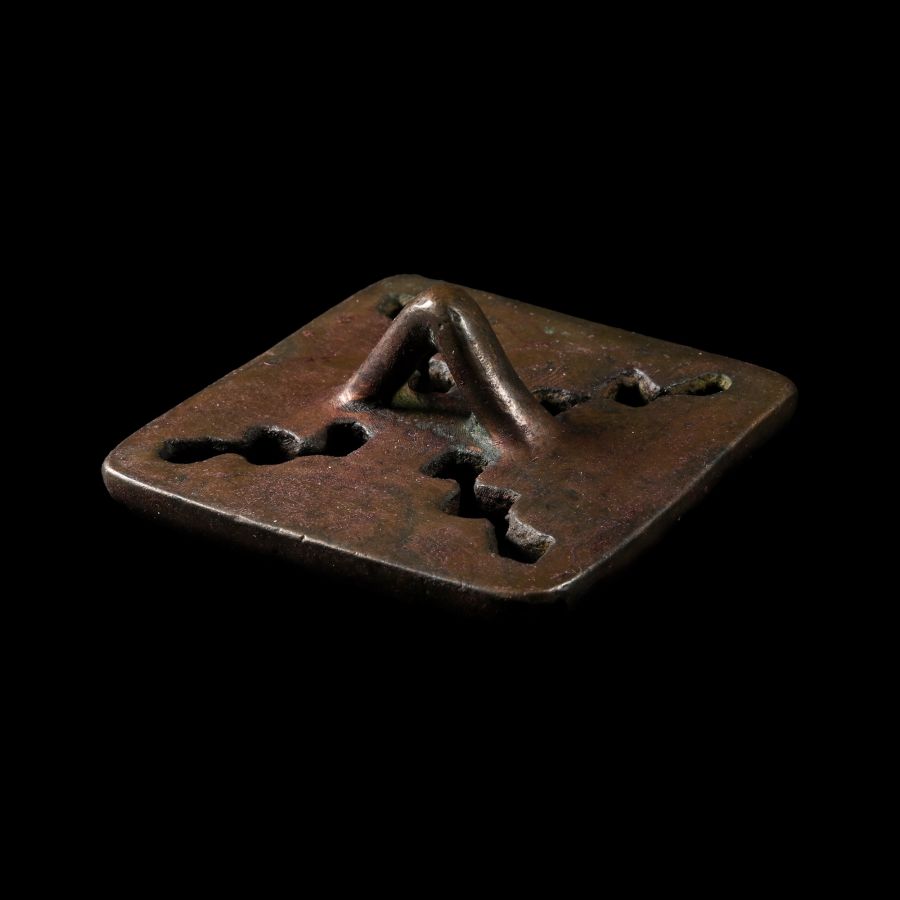
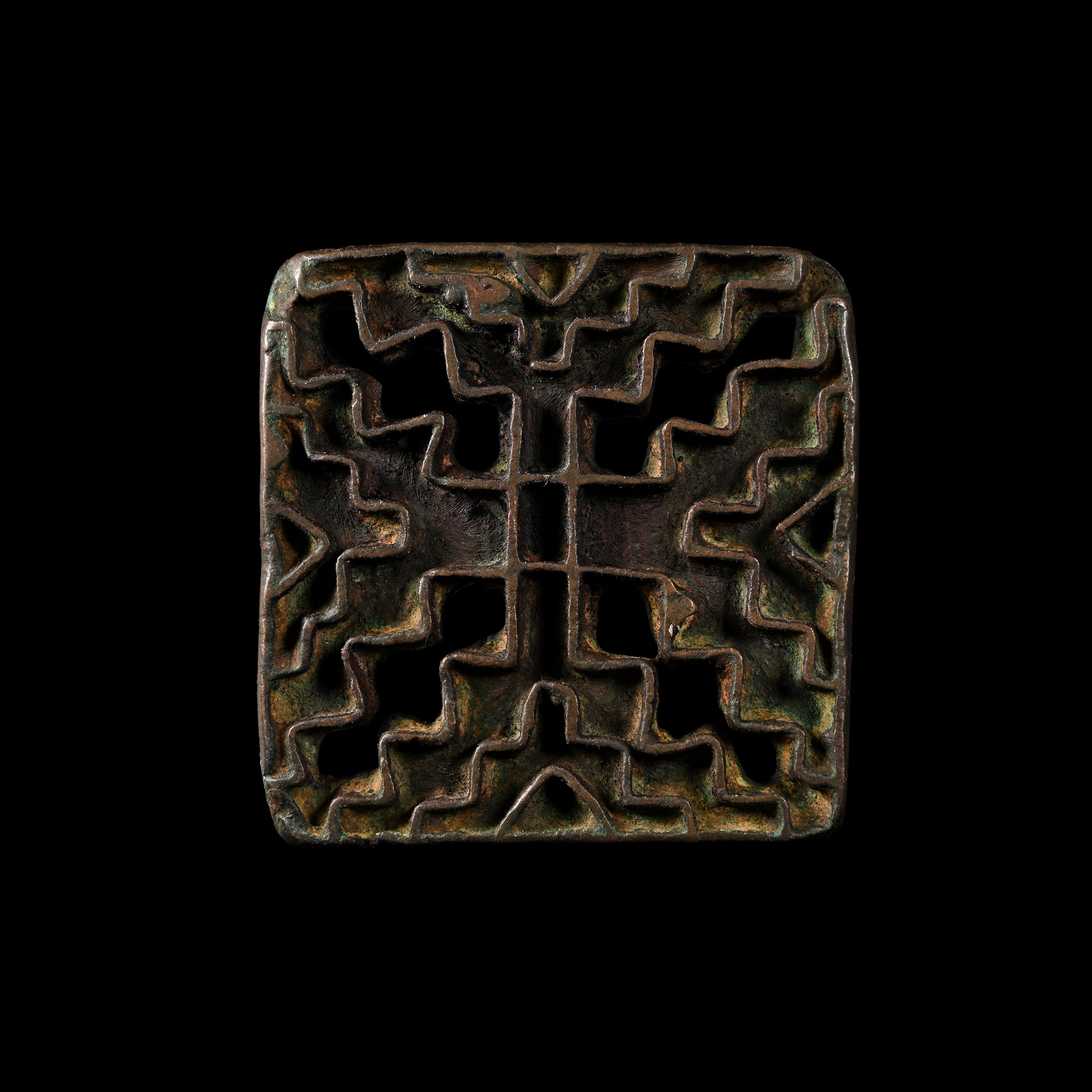
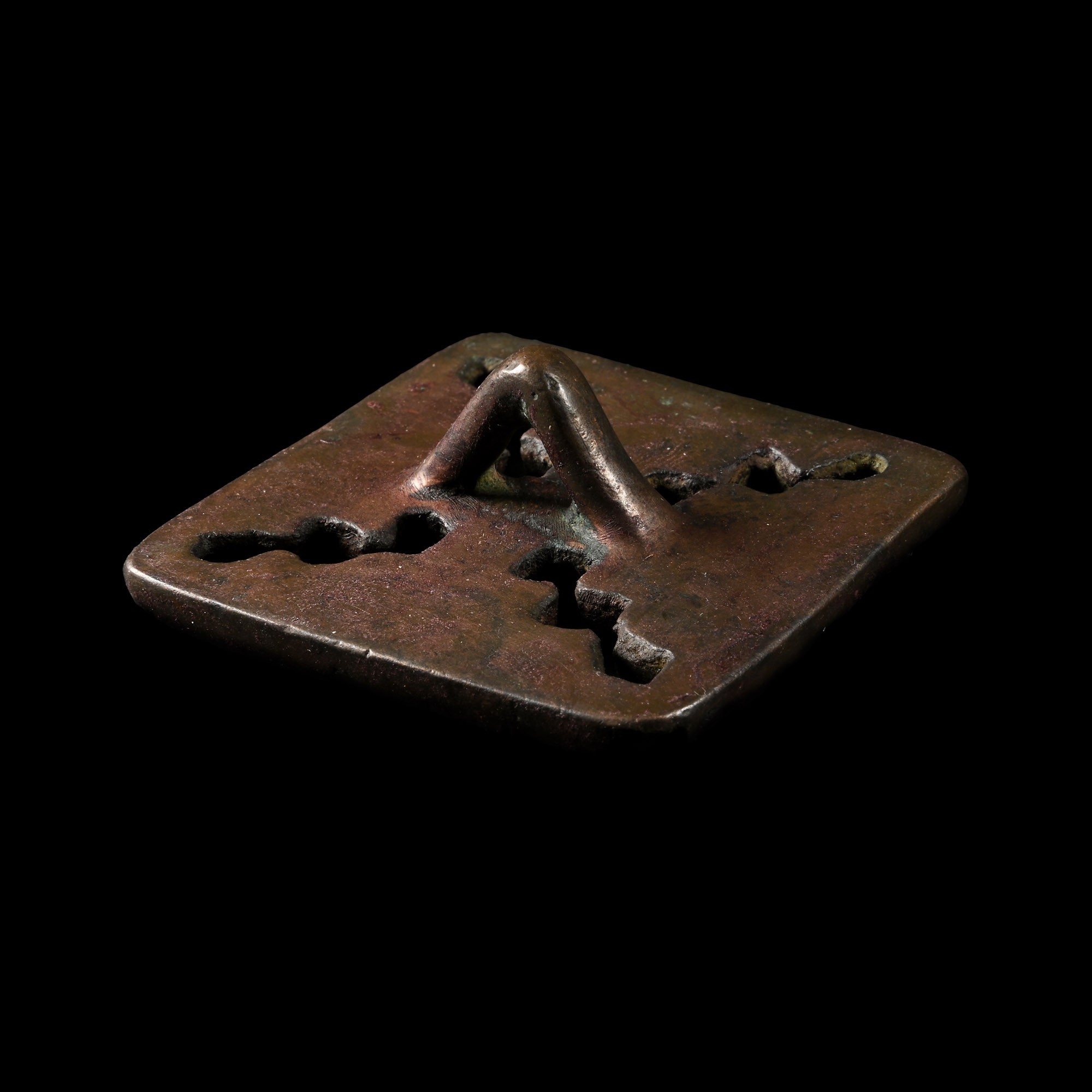
Very Large West Central Asian Bronze Stamp Seal Matrix with Stepped Cross
CIRCA 2300-2000 B.C.
2 3/8 in. (79 grams, 60 mm).
Square in plan with chevron handle, openwork stepped saltire design.
ProvenanceEx collection of a late London gentleman, 1990s.
This lot has been cleared against the Art Loss Register database, and is accompanied by an illustrated lot declaration signed by the Head of the Antiquities Department, Dr Raffaele D'Amato.
TimeLine Auctions follows a vetting process to ensure the authenticity and legality of all items, reinforcing our commitment to integrity and responsible trading. Each antiquity, antique, and coin lot undergoes thorough examination by a vetting committee of at least ten external specialists, professional trade association members, scientists, and archaeologists: Our Vetting Process
AUCTIONS:
TimeLine is a leading auction house specialising in antiquities, ancient art, collectables, natural history, coins, medals, and books. Our auctions offer museums, collectors, historians, and enthusiasts the opportunity to acquire unique and historically significant pieces.
LOT 1066
Very Large West Central Asian Bronze Stamp Seal Matrix with Stepped Cross
Estimate £180 - 240€210 - 280 (for guidance only)$240 - 320 (for guidance only)
-
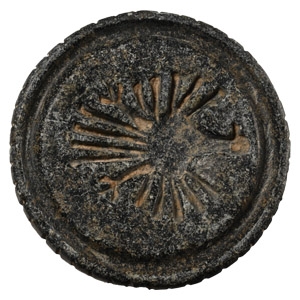
Anatolian Black Stone Stamp Seal
2nd-1st millennium B.C.Sold for (Inc. bp): £130
Discoid in plan with hatching to the rim and the pierce lug to the reverse; deep border and intaglio motif of a spread eagle with segmented wings and tail. 42 grams, 49 mm
From the collection of Mr S.M., London, UK, formed from 1979-1999. This lot has been cleared against the Art Loss Register database, and is accompanied by an illustrated lot declaration signed by the Head of the Antiquities Department, Dr Raffaele D'Amato. -
.jpg)
Western Asiatic Rolled Aramaic Lead Magical Text Scroll
2nd-8th century A.D.Sold for (Inc. bp): £234
A rolled sheet-metal magical document with inscribed text in Aramaic. 41 grams, 60 mm
Fine condition.
Acquired 1979-1999. London collection of the late Mr S.M., thence by descent. This lot has been cleared against the Art Loss Register database, and is accompanied by an illustrated lot declaration signed by the Head of the Antiquities Department, Dr Raffaele D'Amato. -
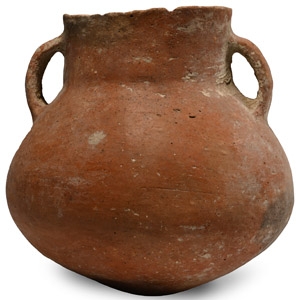
Transjordan Holy Land Terracotta Jar with Two Handles
Early Bronze Age I, 3rd millennium B.C.Estimate: £120 - 170 (+bp*)
Opening Bid: £60
Comprising a bulbous body with narrow base and short neck, two strap handles. 382 grams, 14.5 cm
From the collection of a gentleman, Geneva, before 1988. This lot has been cleared against the Art Loss Register database, and is accompanied by an illustrated lot declaration signed by the Head of the Antiquities Department, Dr Raffaele D'Amato.
