
Loading, please wait...
LOT 0733
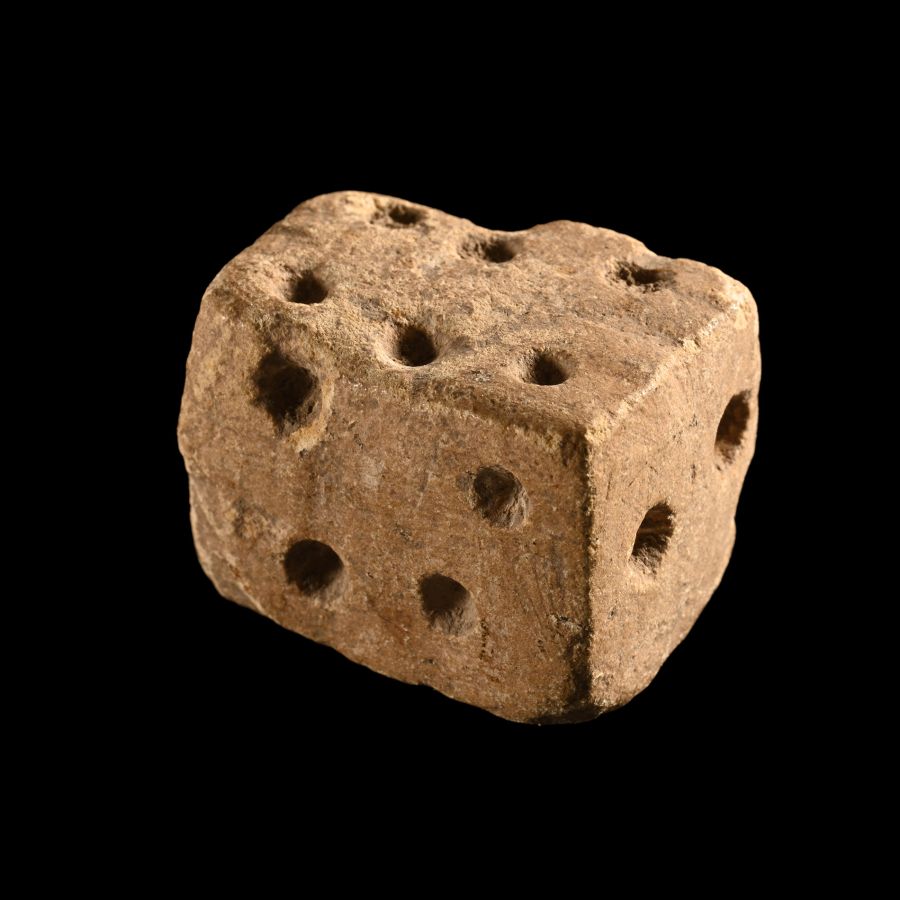
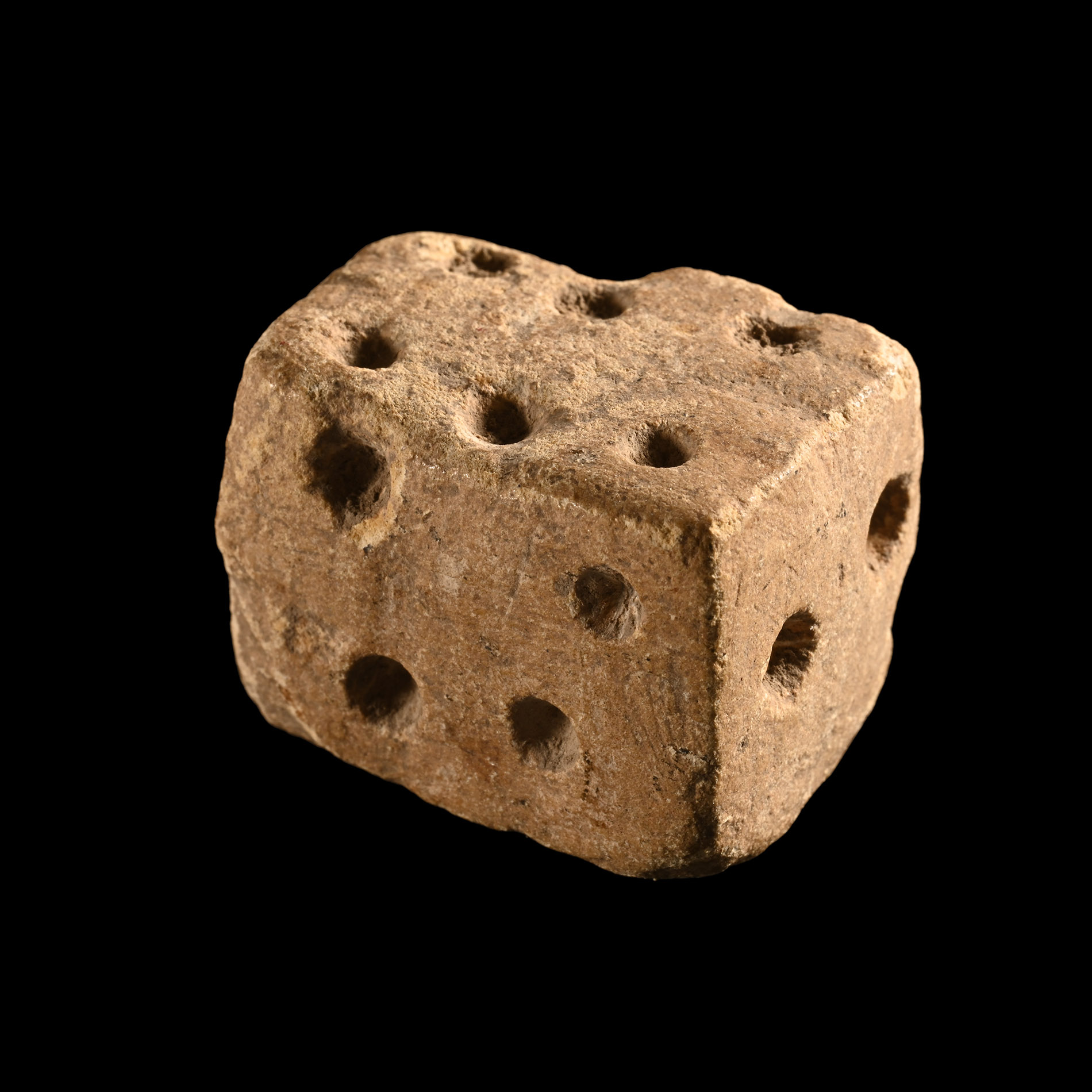
Very Large Roman Stone Gaming Dice
1ST-4TH CENTURY A.D.
1 1/4 in. (27 grams, 31 mm).
Rectangular in profile with drilled spots disposed 1:2, 3:4, 5:6. [No Reserve]
ProvenanceFrom the important private collection of dice and gaming pieces of Colin Narbeth, London, UK.
CONDITIONTimeLine Auctions follows a vetting process to ensure the authenticity and legality of all items, reinforcing our commitment to integrity and responsible trading. Each antiquity, antique, and coin lot undergoes thorough examination by a vetting committee of at least ten external specialists, professional trade association members, scientists, and archaeologists: Our Vetting Process
AUCTIONS:
TimeLine is a leading auction house specialising in antiquities, ancient art, collectables, natural history, coins, medals, and books. Our auctions offer museums, collectors, historians, and enthusiasts the opportunity to acquire unique and historically significant pieces.
-
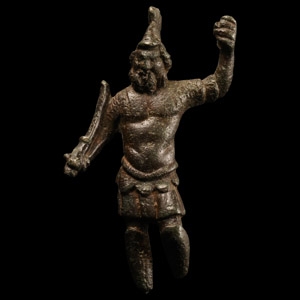
Roman Bronze Jupiter Dolichenus Statuette
Circa 2nd century A.D.Sold for (Inc. bp): £520
Modelled in the round standing wearing a crested helmet, muscle-cuirass with tunic beneath, short pteruges and greaves; left hand raised to hold a spear, right hand with gladius resting on the forearm. 36 grams, 62 mm
From a collection acquired on the UK art market from various auction houses and collections mostly before 2000. From an important Cambridgeshire estate; thence by descent.
The cult of Jupiter Dolichenus was a variant of worship of Zeus from Asia Minor whose mystery cult was widespread in the Roman Empire from the early 2nd to mid-3rd centuries A.D., especially in the military. The god is usually represented mounting a bull, with the double axe (labrys or bipennis) in his right raised hand, and dressed in the military attire of a Roman general. -
.jpg)
Roman Bronze Eagle Statuette
2nd-3rd century A.D.Sold for (Inc. bp): £468
Modelled in the round standing on a rectangular base, with head slightly turned, detailed plumage. 132 grams, 51 mm
From a collection acquired on the UK art market from various auction houses and collections mostly before 2000. From an important Cambridgeshire estate; thence by descent. -
.jpg)
Roman Bronze Strigil
1st-2nd century A.D.Sold for (Inc. bp): £1,105
With C-section profile to the blade, rectangular handle with openwork slots to the upper end, impressed fishtail motif at the lower; mounted on a custom-made stand. 394 grams total, 20.5 cm high including stand
Ex Louis-Gabriel Bellon (1819?-1899), France. Acquired from Jack-Philippe Ruellan, 4 April 2009, no.279. Accompanied by a copy of a French cultural passport no.111441.
