
Loading, please wait...
LOT 0628
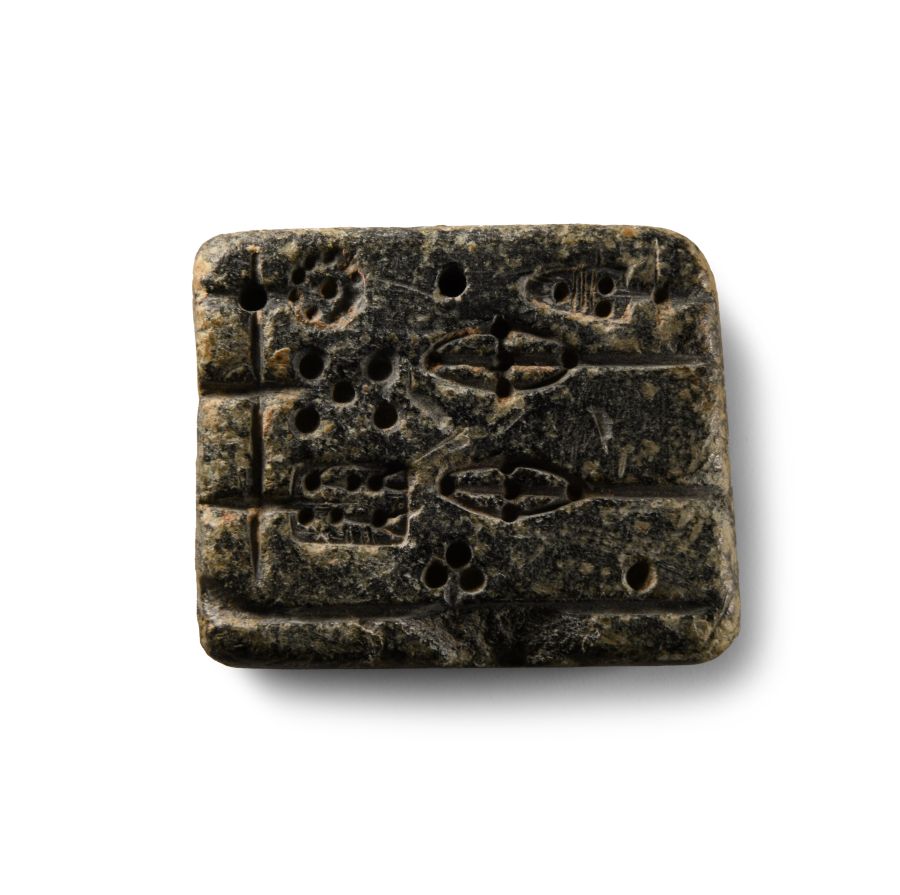
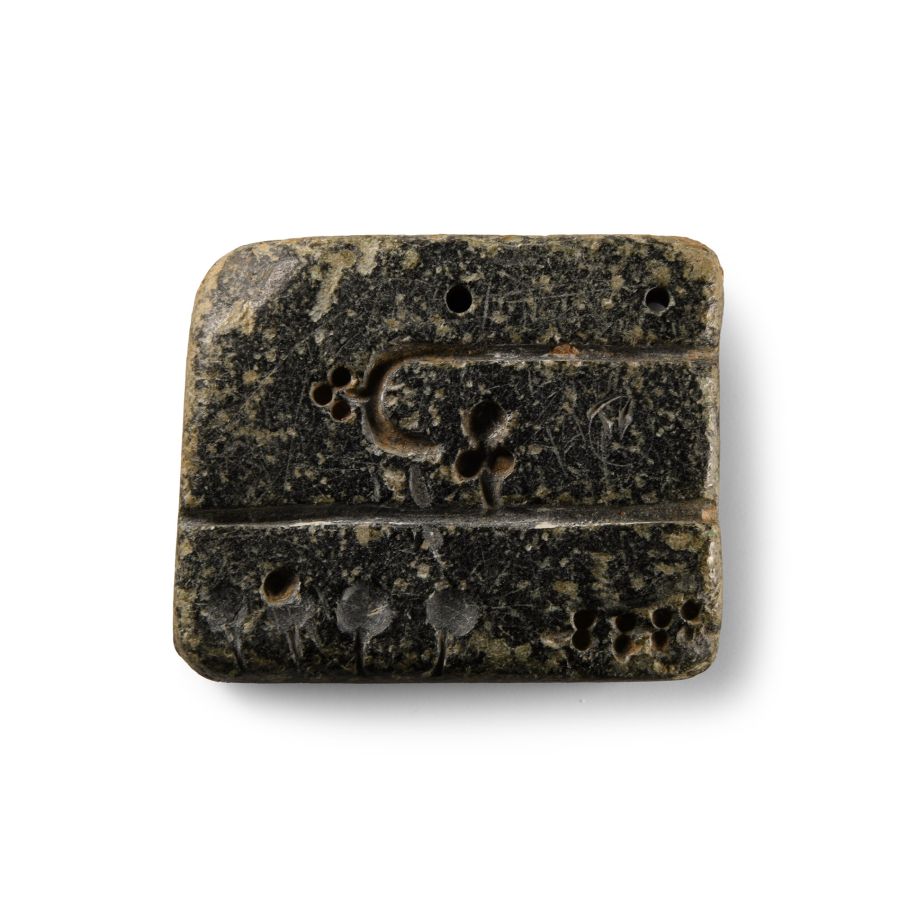
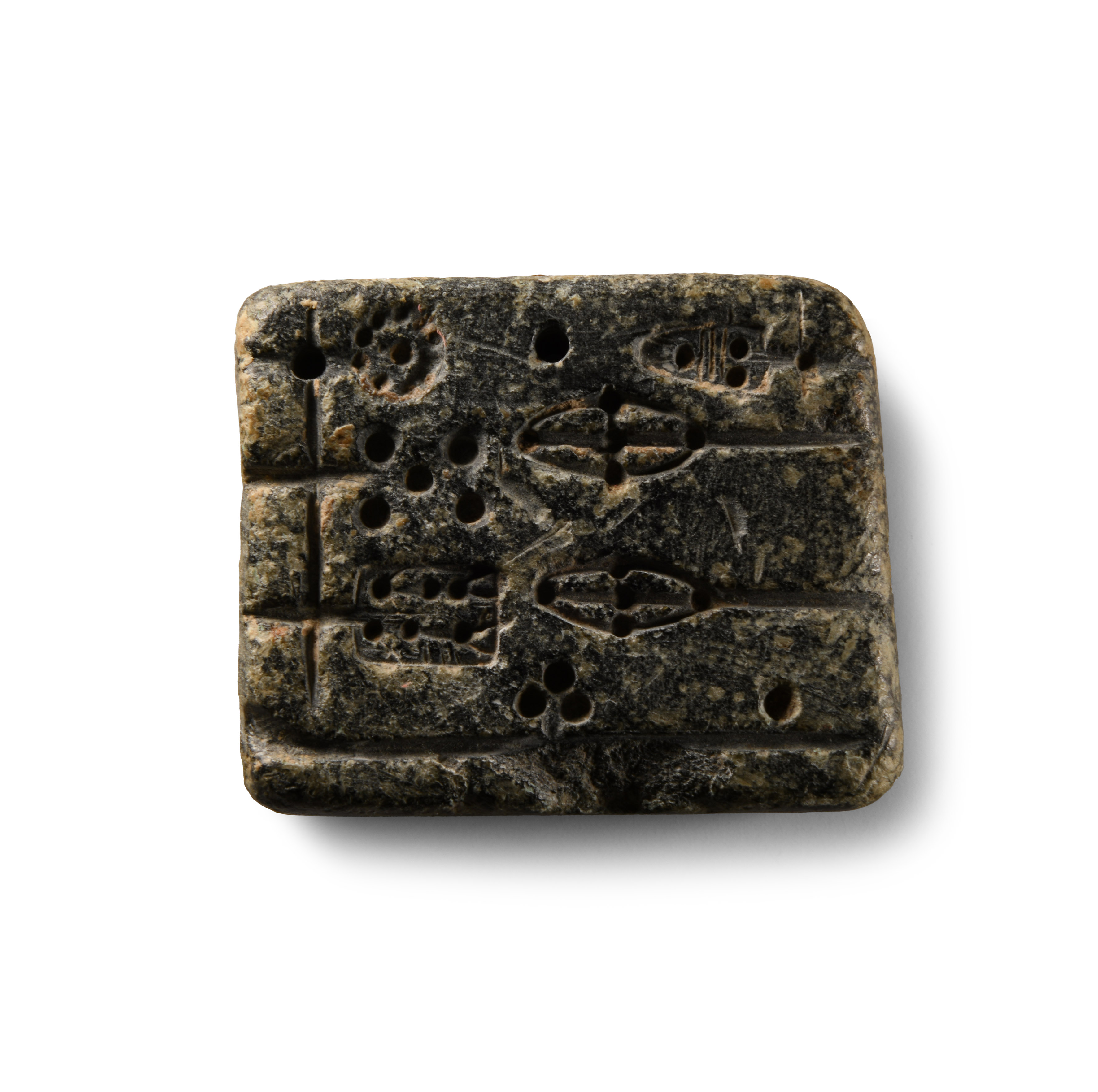
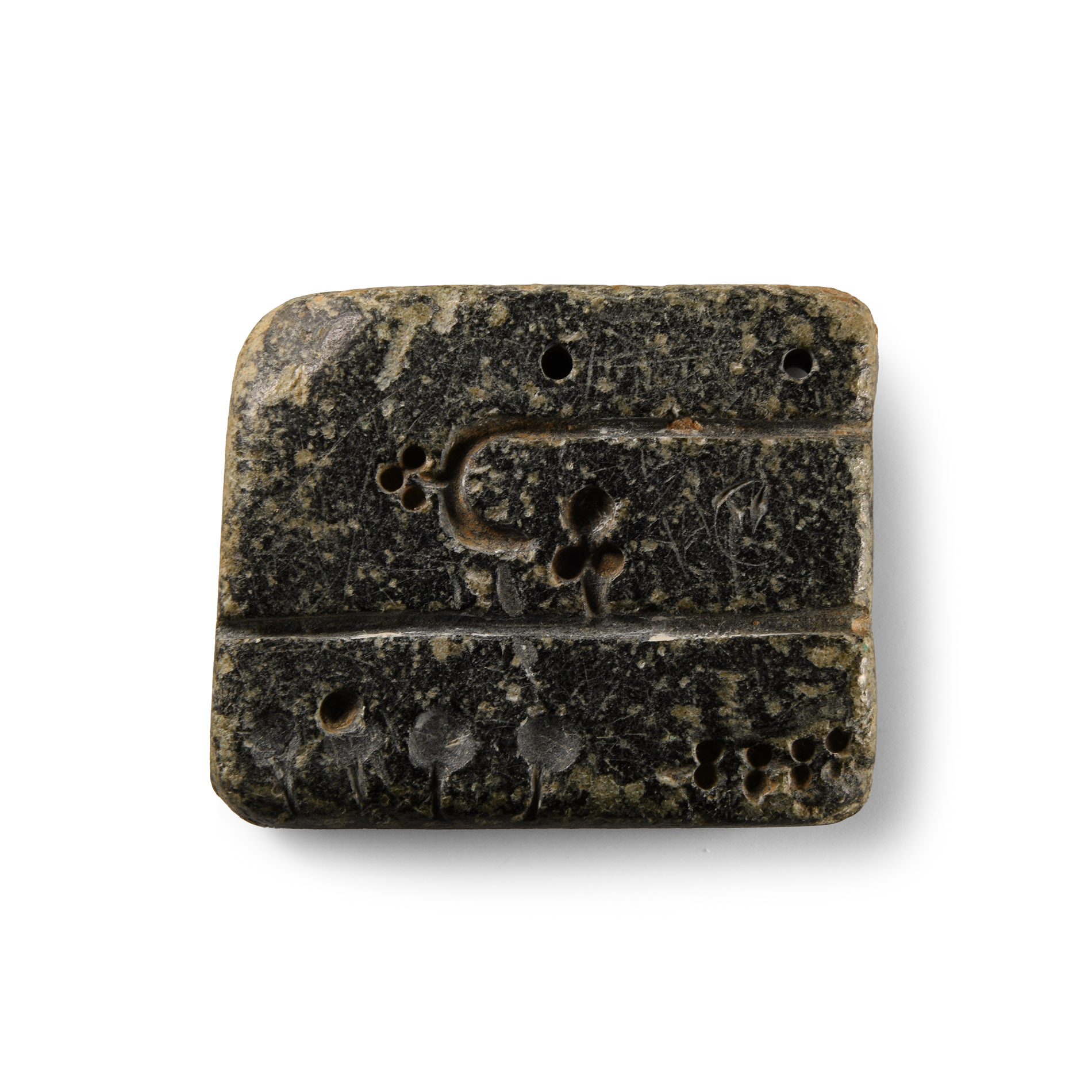
Very Large Greek Stone Jeweller's Mould
BRONZE AGE, 13TH-11TH CENTURY B.C.
2 1/2 in. (114 grams, 63 mm).
Of square shape, used for making various jewellery elements: small circles, ear-drop pendants, rosettes with striated lines and locating holes on the surface.
ProvenanceCollected from 1969-1999.
From the collection of the late Mr S.M., London, UK.
Cf. Papaconstantinou, D., Menti, N., ‘Re-examining a steatite mould from Idalion: old practices in the light of new perspectives’ in Various, Medelhavmuseet, 199, Finds and Results from the Swedish Cyprus Expedition 1927–1931: A Gender Perspective, pp.198-206, figs.1-2, for similar.
FootnotesPlaques of this type were half of a mould for small objects such as ribbed bobbin-shaped or spherical beads or crescent-shaped pendants. They must have been made for casting, judging by the pouring channels and the circular holes for fixing it to another corresponding half. Ribbed globular and ‘grain of wheat’ gold beads were common in Cyprus and Crete. Similar moulds with pouring channels have been found in the Near East, while open moulds intended for glass ornaments with flat backs have been found in the Aegean.
CONDITIONTimeLine Auctions follows a vetting process to ensure the authenticity and legality of all items, reinforcing our commitment to integrity and responsible trading. Each antiquity, antique, and coin lot undergoes thorough examination by a vetting committee of at least ten external specialists, professional trade association members, scientists, and archaeologists: Our Vetting Process
AUCTIONS:
TimeLine is a leading auction house specialising in antiquities, ancient art, collectables, natural history, coins, medals, and books. Our auctions offer museums, collectors, historians, and enthusiasts the opportunity to acquire unique and historically significant pieces.
-
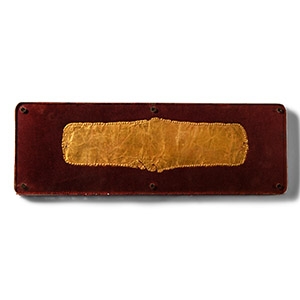
Greek Gold Funerary Diadem
Circa 323-31 B.C.Sold for (Inc. bp): £585
Hammered from a thin gold leaf, a repoussé border of small pellets to the outer edge; mounted in custom-made perspex case with fabric backing. 72 grams total, 12.3 cm wide (18.2 cm wide including perspex mount)
Ex European collection, 1960s. Accompanied by a previous catalogue information slip. -
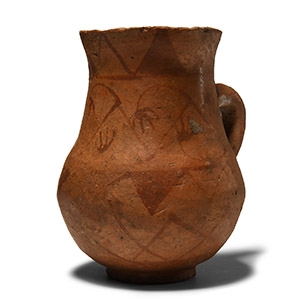
Phoenician Painted Terracotta Cup
Circa 6th century B.C.Sold for (Inc. bp): £312
Redware cup with rounded underside to the body, conical shoulder, short neck and gently flared rim; strap handle to the shoulder; decoration of red linear triangular blocks. median band with stylised hand motifs. 467 grams, 12.5 cm
From a collection acquired on the UK art market from various auction houses and collections mostly before 2000. From an important Cambridgeshire estate; thence by descent. -
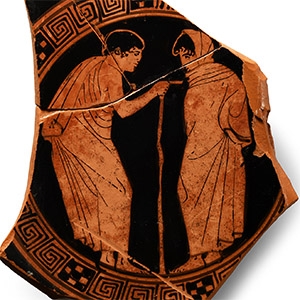
Greek Red-Figure Fragment with Draped Figures
5th century B.C.Sold for (Inc. bp): £1,755
Depicting a young man dressed in a long cloak, the right hand resting on a staff, facing a young woman wrapped in a long himation, covering her head and leaving the face uncovered; the scene enclosed within a medallion decorated with meanders and chequered squares; remains of the stem to the reverse with painted figures on the edge; repaired. 91 grams, 13 cm
Acquired before 2005. Private collection, Europe. This lot has been checked against the Interpol Database of stolen works of art and is accompanied by search certificate number no.11796-206819.
This red-figure scene once possibly formed part of a kylix, a cup made for drinking. The decoration of the tondo surrounding the figures allows a comparison with some works of the painter Onesimos and the potter Euphronios. In particular the meanders on the medallion, and the working of the figures, seems to recall the work of Onesimos, who preferred to decorate cups, many of them thrown by the famous Euphronios.
