
Loading, please wait...
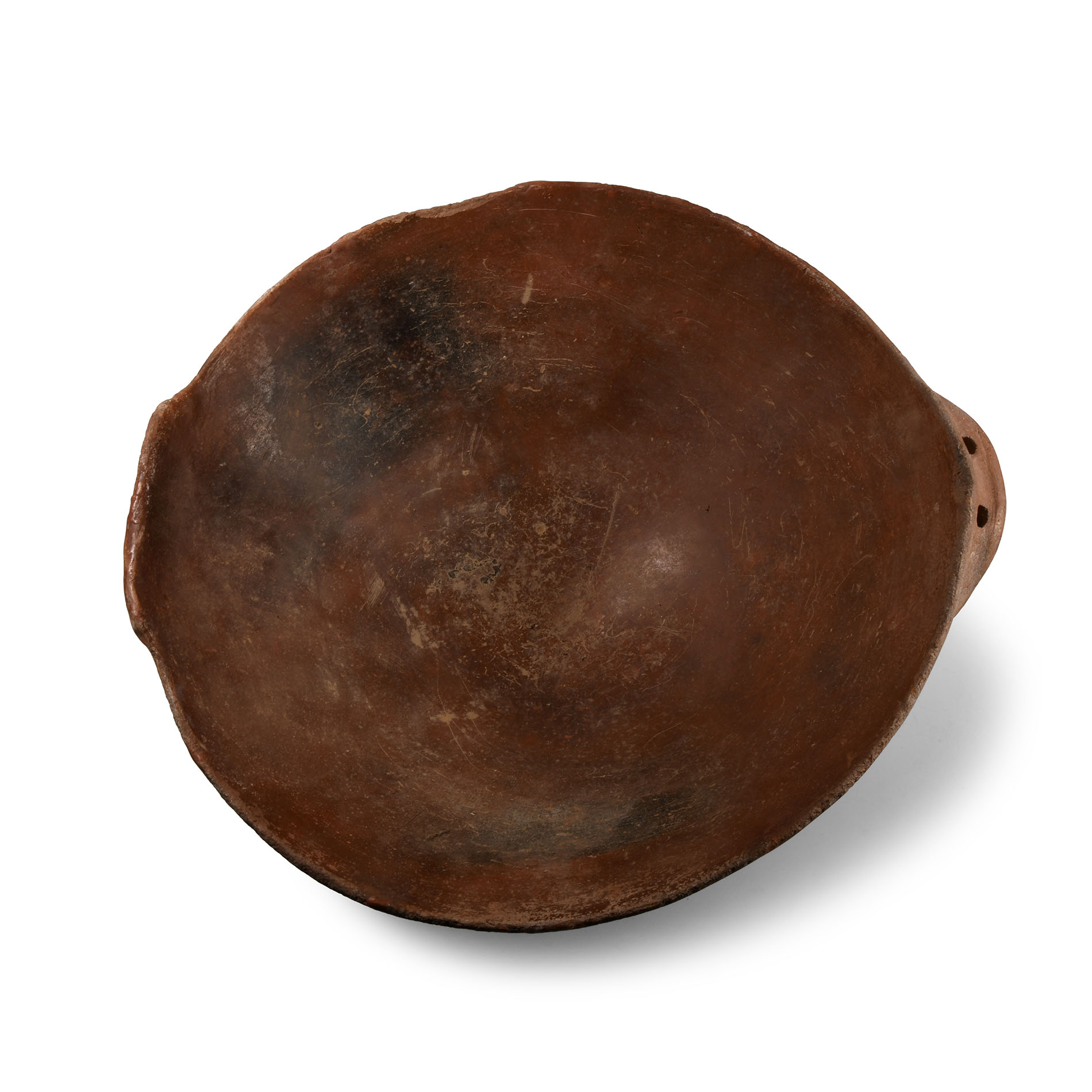
LOT 0035
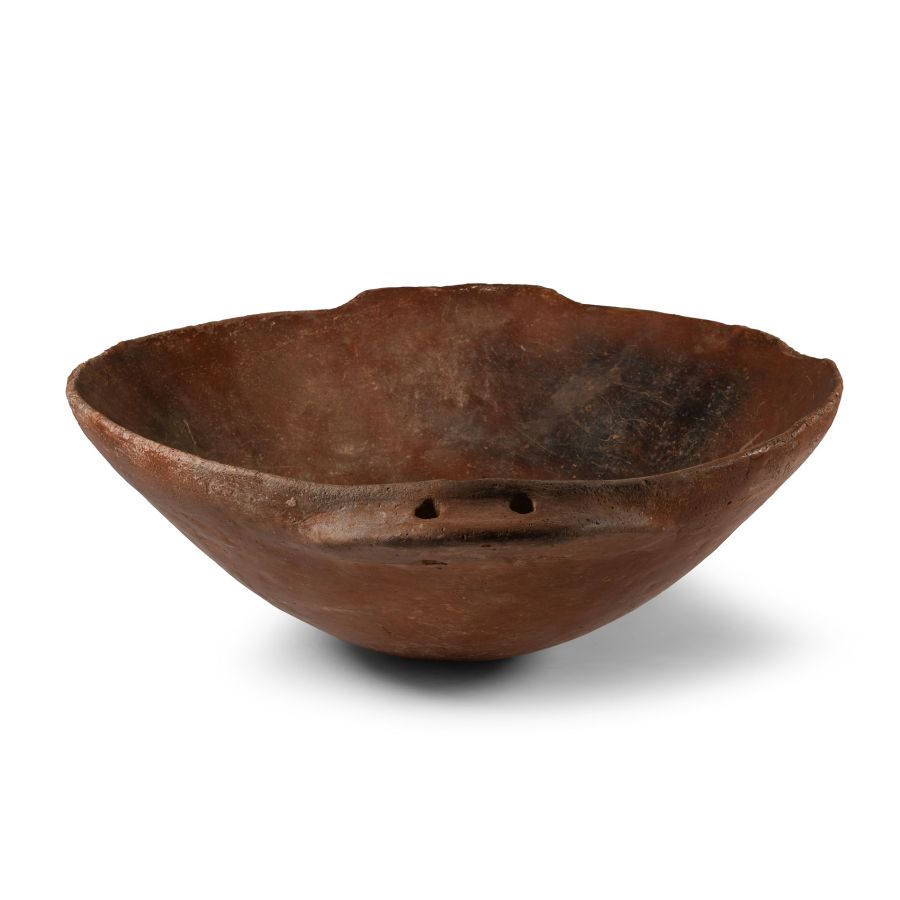
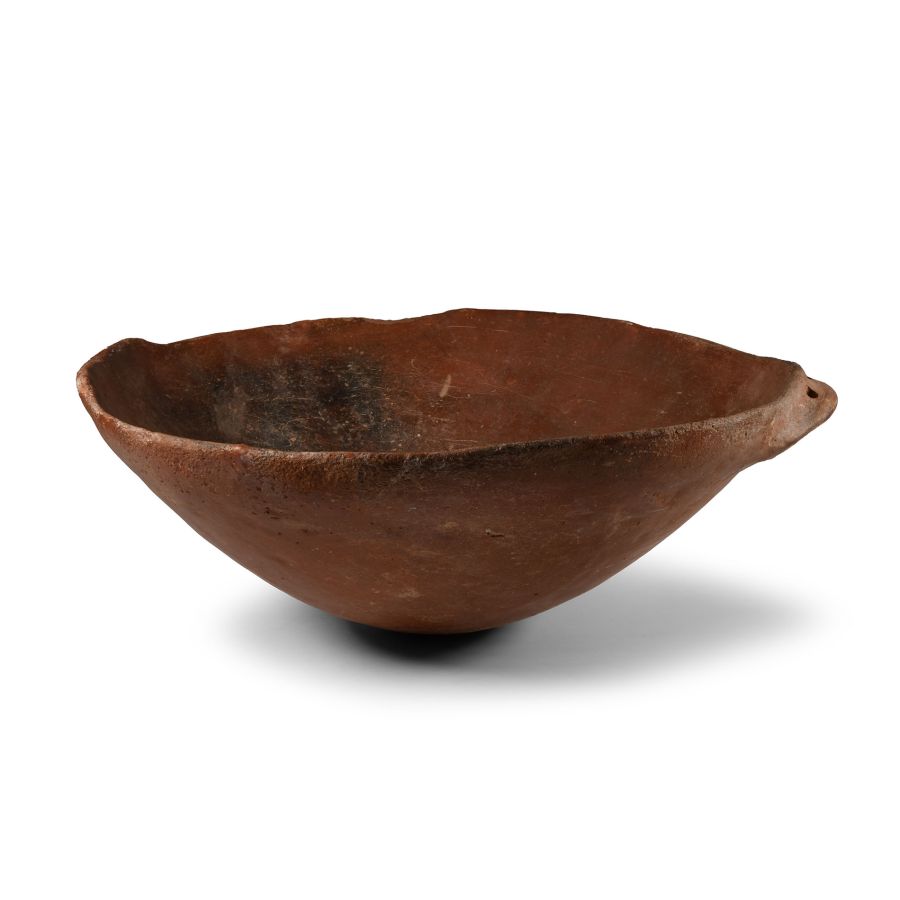
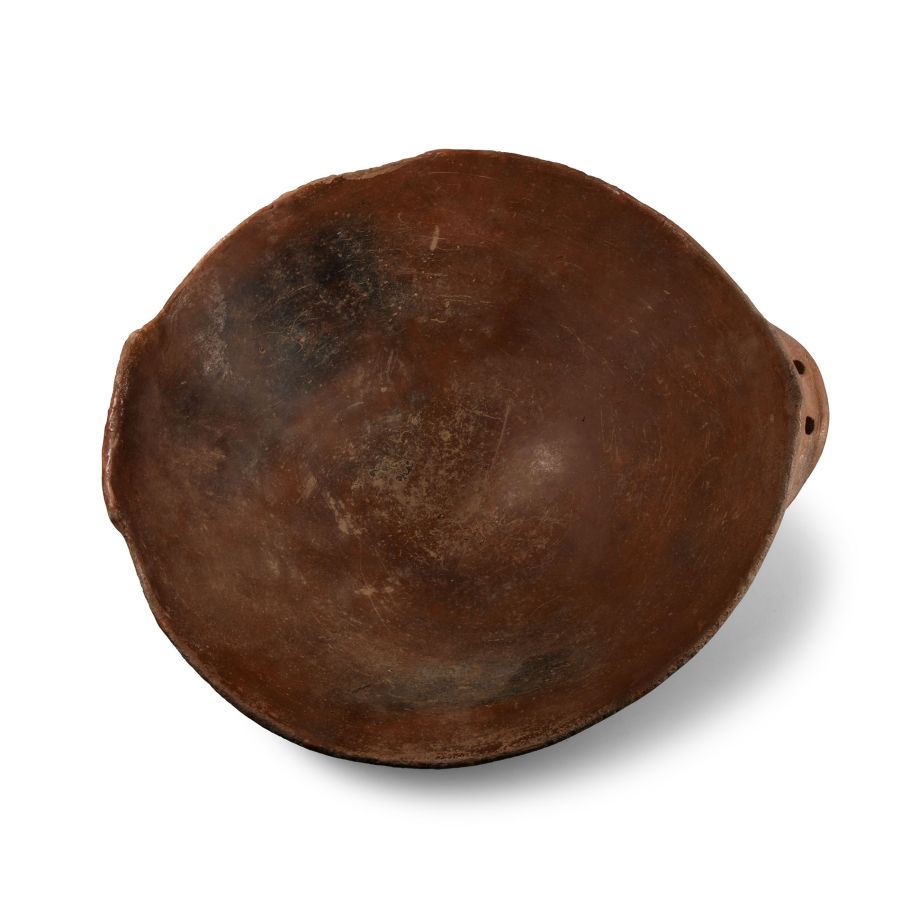
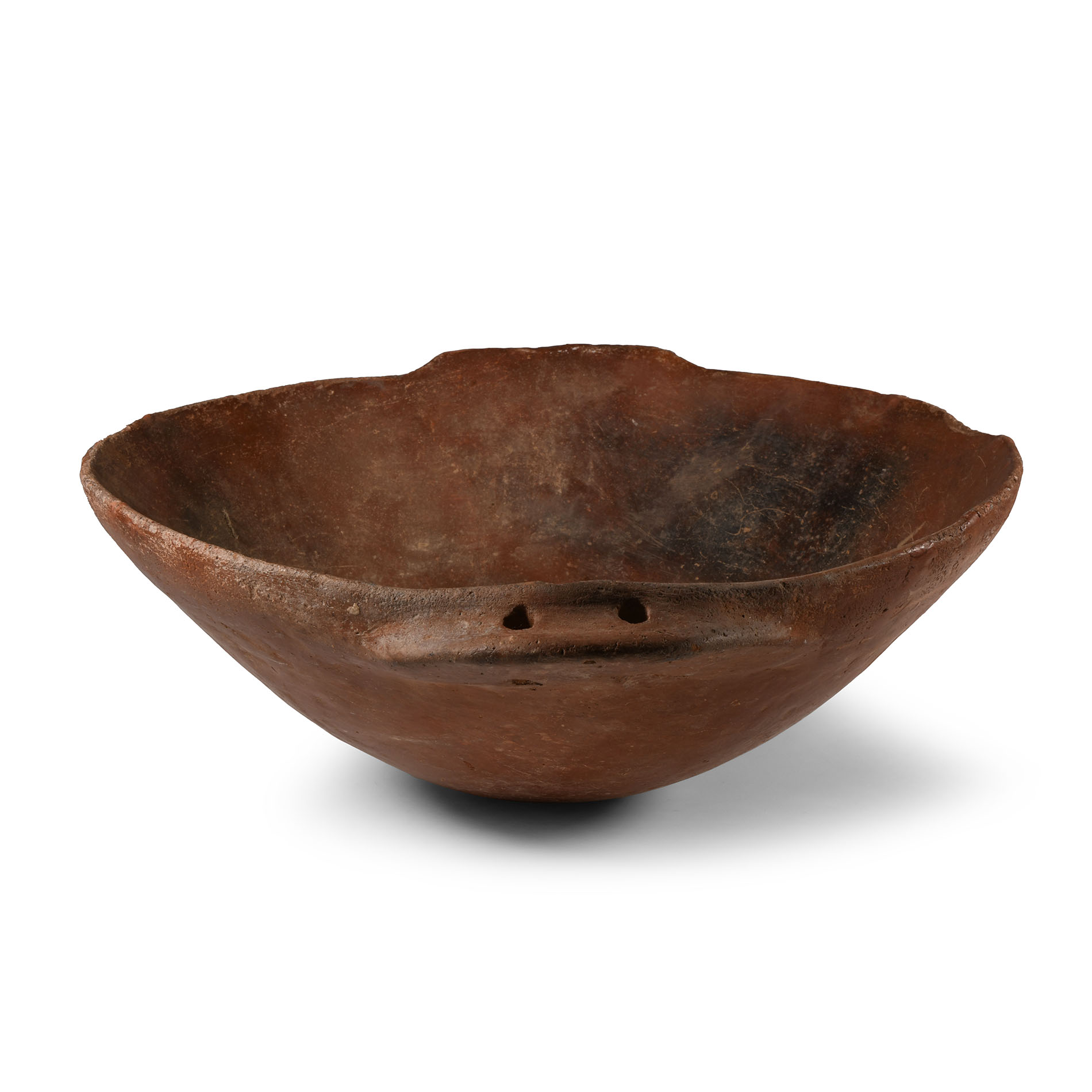
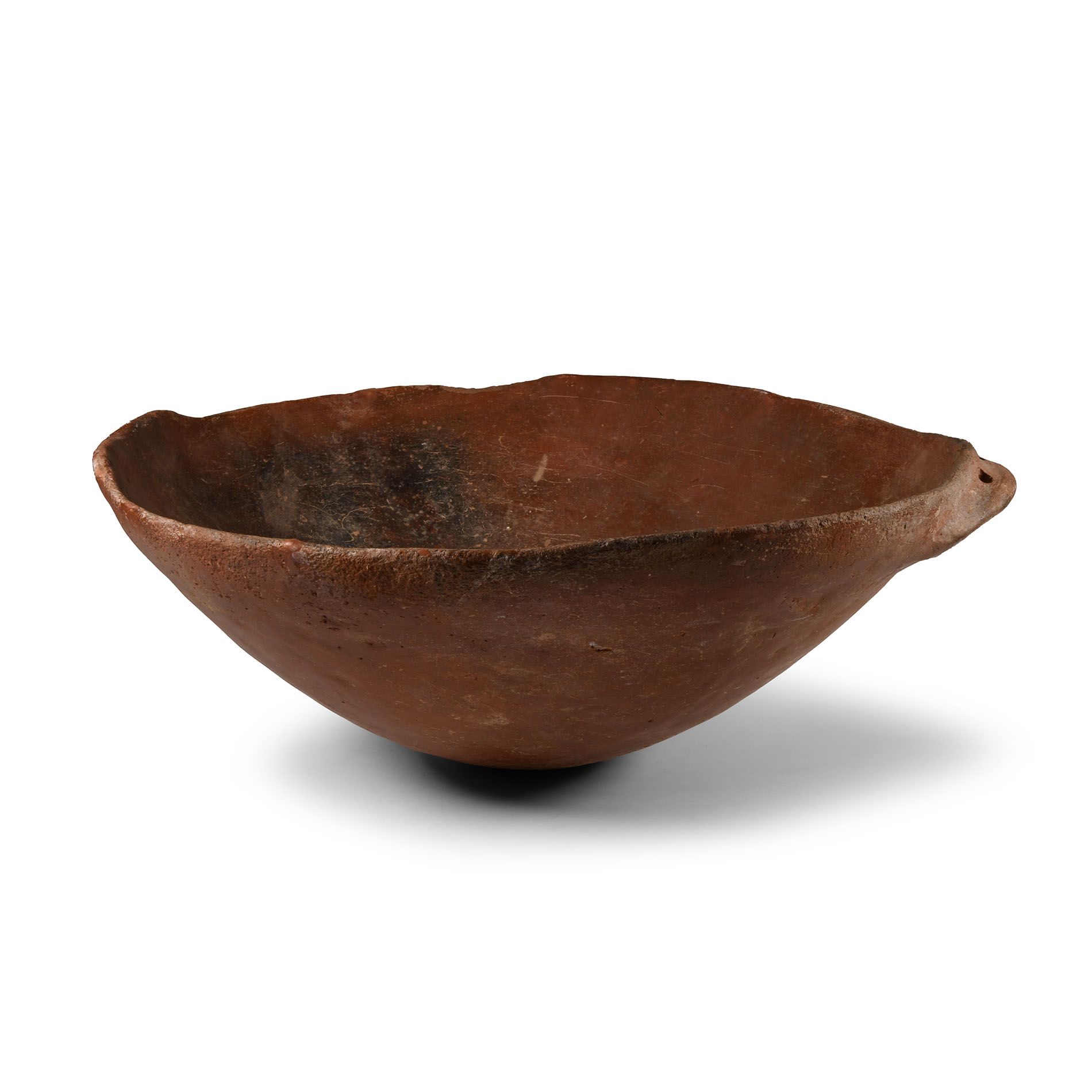
Very Large Cypriot Red-Polished Ware Bowl
EARLY CYPRIOT II, 2150-2100 B.C.
14 3/4 in. (2.3 kg, 37.5 cm wide).
Broad body with disc base, thick rim with stepped panel to rear and pierced ledge handle. [No Reserve]
ProvenanceFrom a collection acquired on the UK art market from various auction houses and collections mostly before 2000.
From an important Cambridgeshire estate; thence by descent.
Cf. similar bowl in red clay in the University of Saint Andrews, id no.HC1994 3 (120).
CONDITIONTimeLine Auctions follows a vetting process to ensure the authenticity and legality of all items, reinforcing our commitment to integrity and responsible trading. Each antiquity, antique, and coin lot undergoes thorough examination by a vetting committee of at least ten external specialists, professional trade association members, scientists, and archaeologists: Our Vetting Process
AUCTIONS:
TimeLine is a leading auction house specialising in antiquities, ancient art, collectables, natural history, coins, medals, and books. Our auctions offer museums, collectors, historians, and enthusiasts the opportunity to acquire unique and historically significant pieces.
-
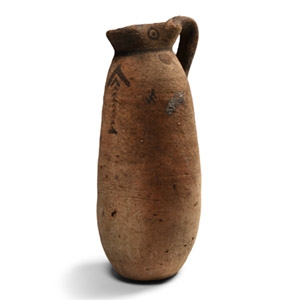
Cypriot Terracotta Trefoil Mouthed Jug
Early Iron Age, Archaic I, circa 750-600 B.C.Sold for (Inc. bp): £156
Of gently tapering profile with pinched trefoil rim to the mouth and strap handle to the rear, painted band to the neck and ring-and-dot motifs above, chevron herringbone motif below; mouth chipped. 272 grams, 18 cm
Acquired Christie's, London, 25 April 2001, no.477 (part). From an important Cambridgeshire estate; thence by descent. Accompanied by a copy of the relevant Christie's catalogue pages. -
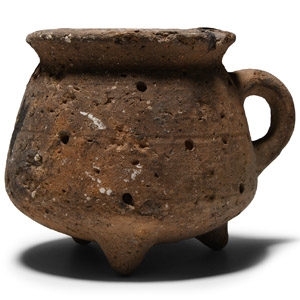
Cypriot Terracotta Tripod Strainer Cup
Early Bronze Age, 2700-2000 B.C.Sold for (Inc. bp): £59
Squat cup with broad rim and three stub feet, loop handle; pierced in several places. 209 grams, 11.8 cm
From a collection acquired on the UK art market from various auction houses and collections mostly before 2000. From an important Cambridgeshire estate; thence by descent. -
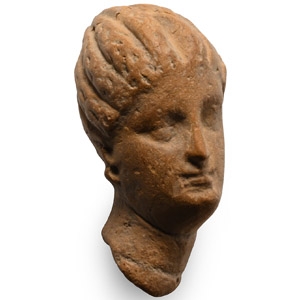
Greek Terracotta Head
Tarentine, 3rd-1st century B.C.Estimate: £180 - 240 (‡+bp*)
Opening Bid: £100
Female head moulded with a segmented conical cap, pierced ears visible beneath; the head slightly turned and tilted downwards on a slender neck. 22 grams, 49 mm
Acquired in the mid 1980s-1990s. Private collection, Switzerland, thence by descent. Private collection, since the late 1990s.
