
Loading, please wait...



LOT 1004
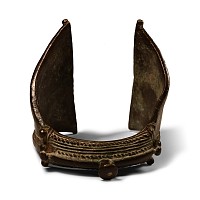
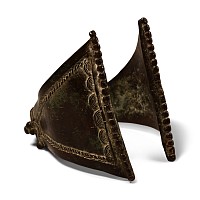
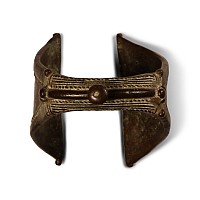
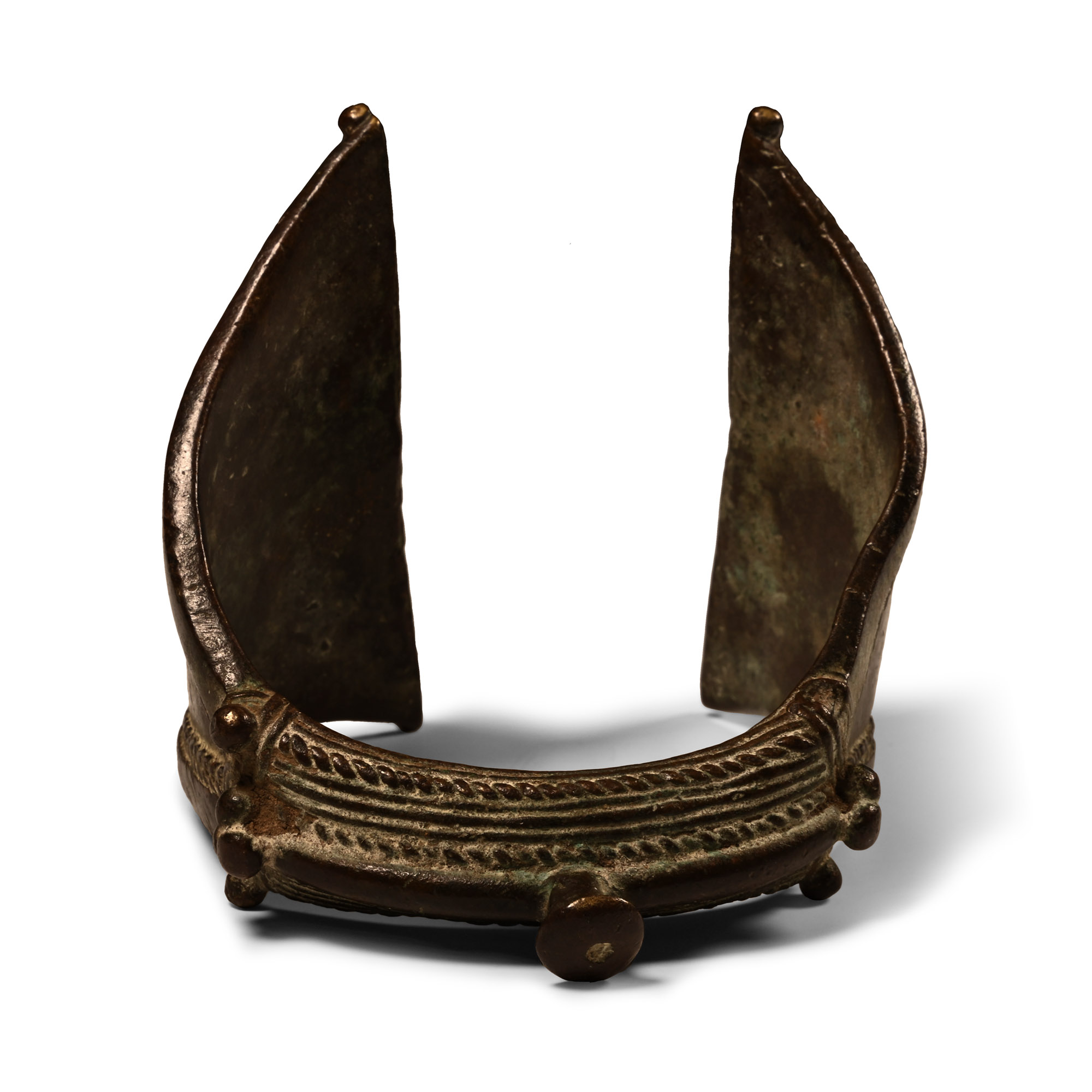
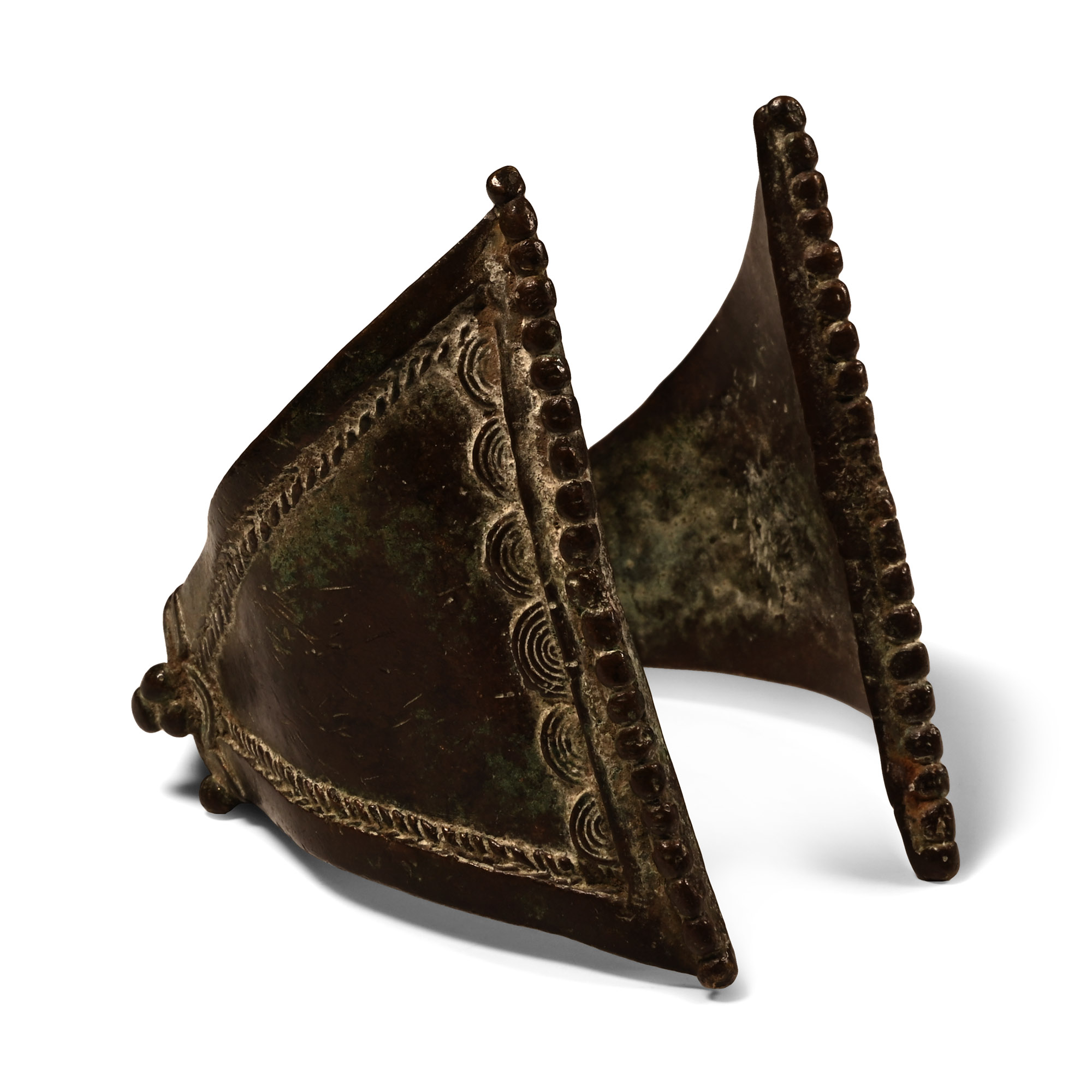
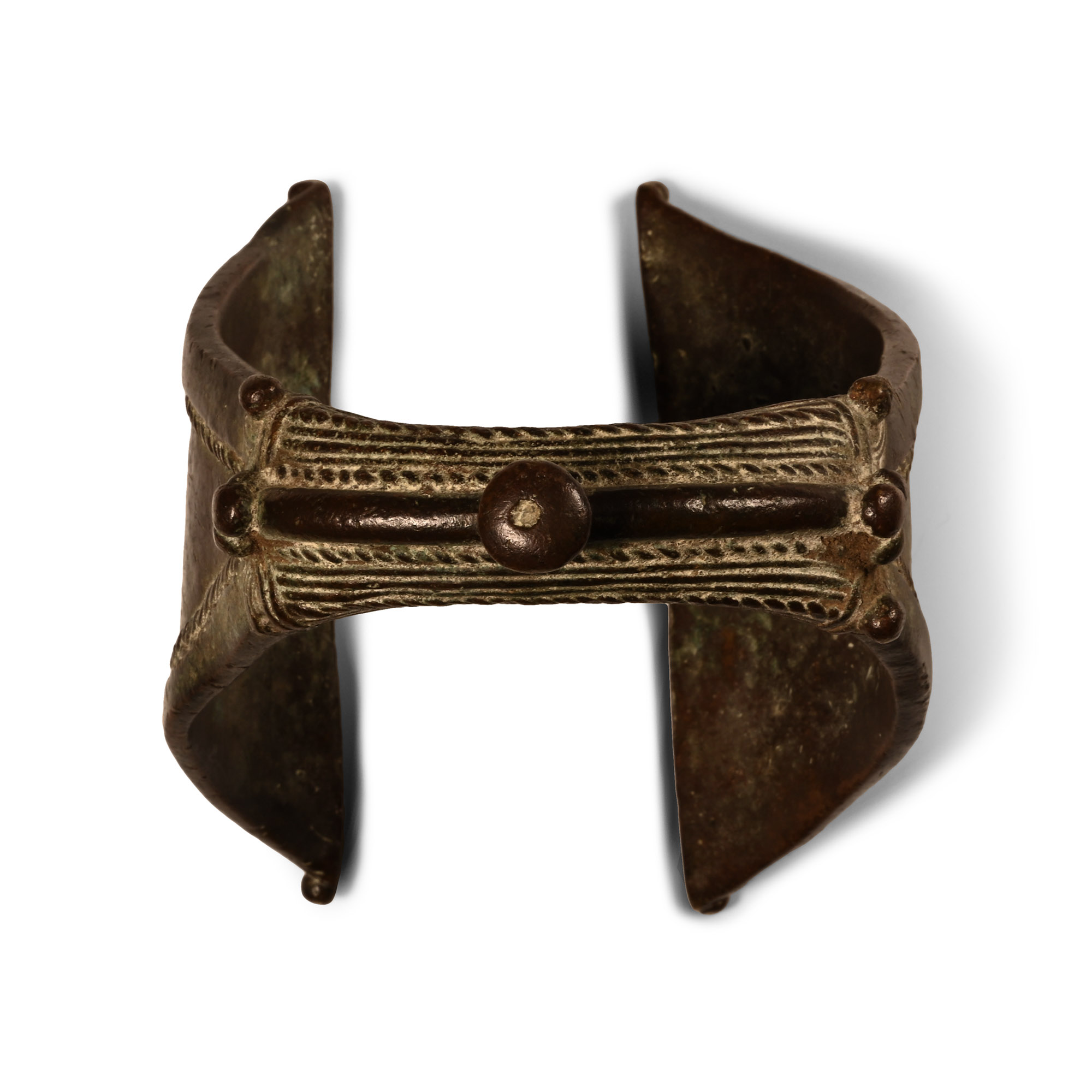
Very Large Byzantine Bronze Armlet
CIRCA 8TH-12TH CENTURY A.D.
4 in. (396 grams, 10 cm).
Penannular with expanding finials, raised ropework detailing, knops to the upper face. [No Reserve]
ProvenanceFrom the private collection of the late Victor Brox.
CONDITIONTimeLine Auctions follows a vetting process to ensure the authenticity and legality of all items, reinforcing our commitment to integrity and responsible trading. Each antiquity, antique, and coin lot undergoes thorough examination by a vetting committee of at least ten external specialists, professional trade association members, scientists, and archaeologists: Our Vetting Process
AUCTIONS:
TimeLine is a leading auction house specialising in antiquities, ancient art, collectables, natural history, coins, medals, and books. Our auctions offer museums, collectors, historians, and enthusiasts the opportunity to acquire unique and historically significant pieces.
-
Byzantine Gold Ring with Sapphire
5th-6th century A.D.Sold for (Inc. bp): £1,972
Flat-section hoop displaying geometric pierced work between raised bands, fluted hemispherical bezel adorned with granules and set with possibly a later polished cabochon sapphire. 8.66 grams, 33.78 mm overall, 16.94 mm internal diameter (approximate size British M 1/2, USA 6 1/4, Europe 13.09, Japan 13)
Acquired 1990s-early 2000s. East Anglian private collection. This lot has been checked against the Interpol Database of stolen works of art and is accompanied by search certificate no.201084. -
Byzantine Bronze Ring with Inscription
14th-15th century A.D.Sold for (Inc. bp): £65
Broad hoop with incised geometric ornament. bezel with pelleted border, Greek inscription 'ΟΗΑΗ/ΚΕR'. 5.54 grams, 22.94 mm overall, 19.44 mm internal diameter (approximate size British T, USA 9 1/2, Europe 21.26, Japan 20)
Ex German art market, 2000s. Acquired from an EU collector living in London. From the collection of Surrey, UK, gentleman. -
.jpg)
Byzantine Gold Filigree Pendant
12th-14th century A.D.Sold for (Inc. bp): £208
Capsule-shaped with openwork filigree ornament to the equator, a single granule to each terminal and a coiled wire suspension loop to apex. 0.82 grams, 15 mm
From a late Japanese specialist collector, 1970-2000s.
