
Loading, please wait...
LOT 1383
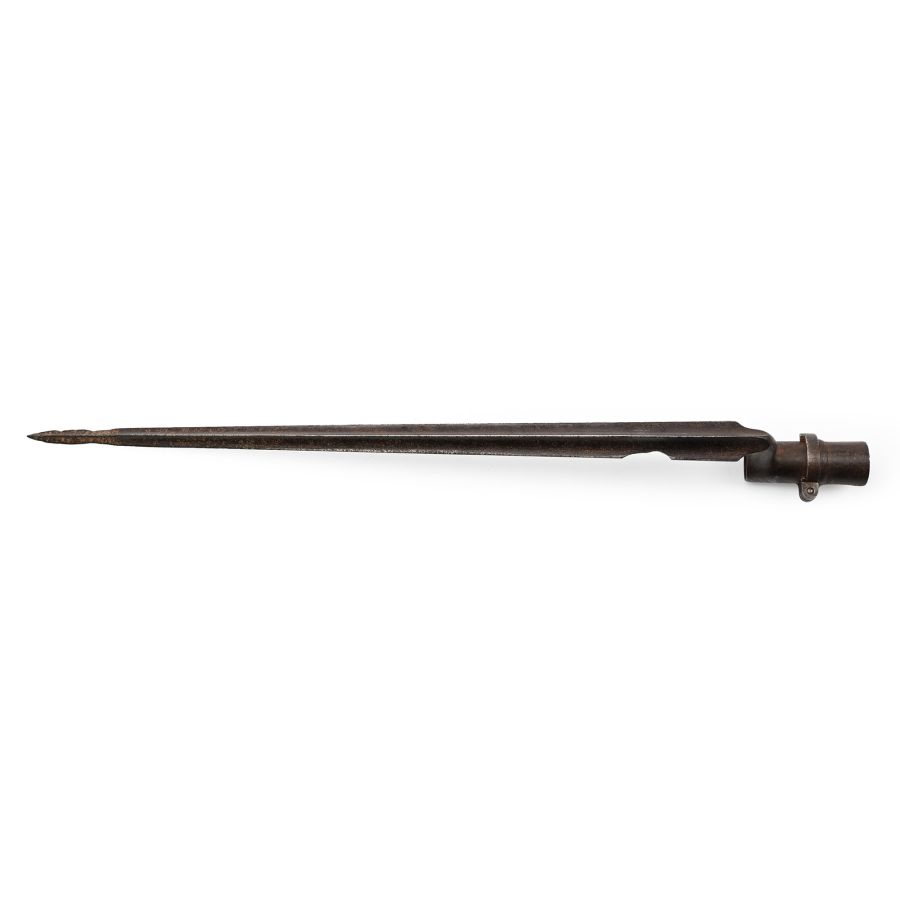
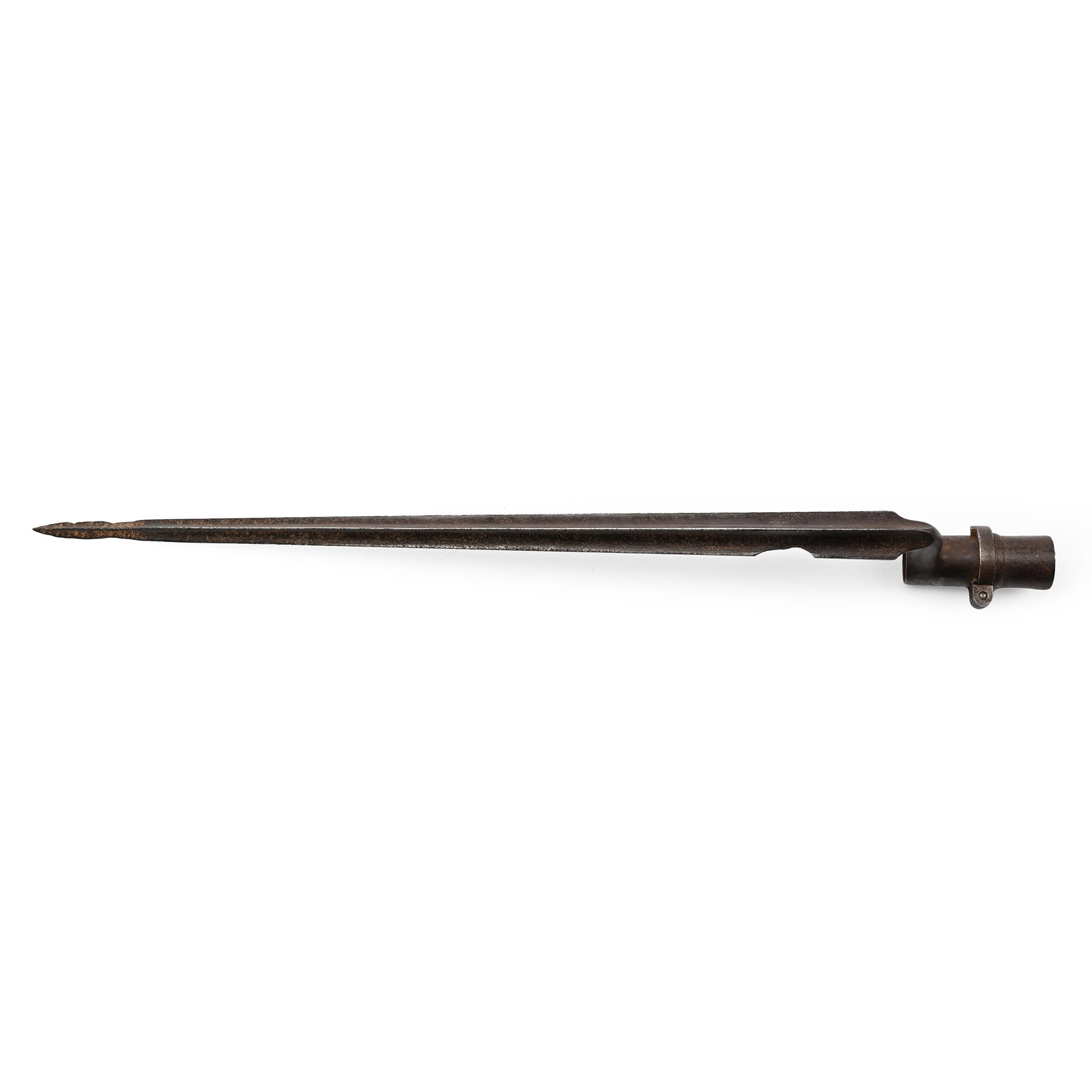
US Confederate Bayonet
19TH CENTURY A.D.
20 5/8 in. (320 grams, 52.5 cm).
Comprising a tubular socket for fixing to a muzzle of a weapon, with a separate collar, long tapering triangular blade with a raised rib on the underside and 'US' stamp at the base. [No Reserve]
ProvenanceFrom the private collection of author and historian Dr DeWitt Bailey, one of the global authorities on the confederate army in the US civil war; thence by descent to his grandson.
CONDITIONTimeLine Auctions follows a vetting process to ensure the authenticity and legality of all items, reinforcing our commitment to integrity and responsible trading. Each antiquity, antique, and coin lot undergoes thorough examination by a vetting committee of at least ten external specialists, professional trade association members, scientists, and archaeologists: Our Vetting Process
AUCTIONS:
TimeLine is a leading auction house specialising in antiquities, ancient art, collectables, natural history, coins, medals, and books. Our auctions offer museums, collectors, historians, and enthusiasts the opportunity to acquire unique and historically significant pieces.
-
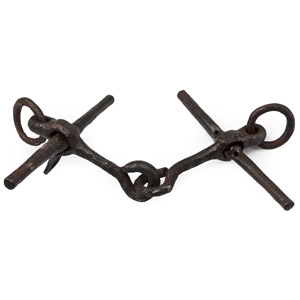
Viking Age Iron Snaffle Horse Bit
9th-11th century A.D.Sold for (Inc. bp): £72
Articulated in the middle, with lateral bars and loop to each outer end. 248 grams, 21.5 cm
From an old Australian collection. From the property of a late Lincolnshire, UK, gentleman. -
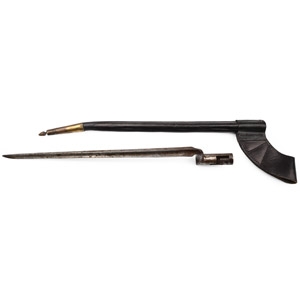
US Confederate Bayonet with Scabbard
19th century A.D.Sold for (Inc. bp): £59
Comprising a tubular socket for fixing to a muzzle of a weapon, long tapering triangular blade with a raised rib on the underside and a 'US / JB(?)' stamp at the base; with a later(?) civil war type scabbard. 500 grams total, 64.5 cm
From the private collection of author and historian Dr DeWitt Bailey, one of the global authorities on the confederate army in the US civil war; thence by descent to his grandson. -
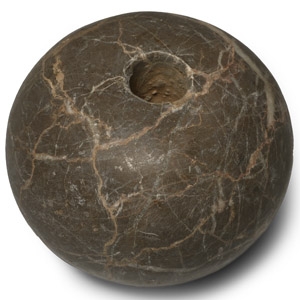
Western Asiatic Stone Macehead
3rd-2nd millennium B.C.Sold for (Inc. bp): £104
Toroid and drilled vertically to accommodate a wooden shaft. 453 grams, 74 mm
From the collection of a London, UK, gentleman, 1990s. This lot is accompanied by an illustrated lot declaration signed by the Head of the Antiquities Department, Dr Raffaele D’Amato. This lot is accompanied by an illustrated lot declaration signed by the Head of the Antiquities Department, Dr Raffaele D'Amato.
