
Loading, please wait...
LOT 1088
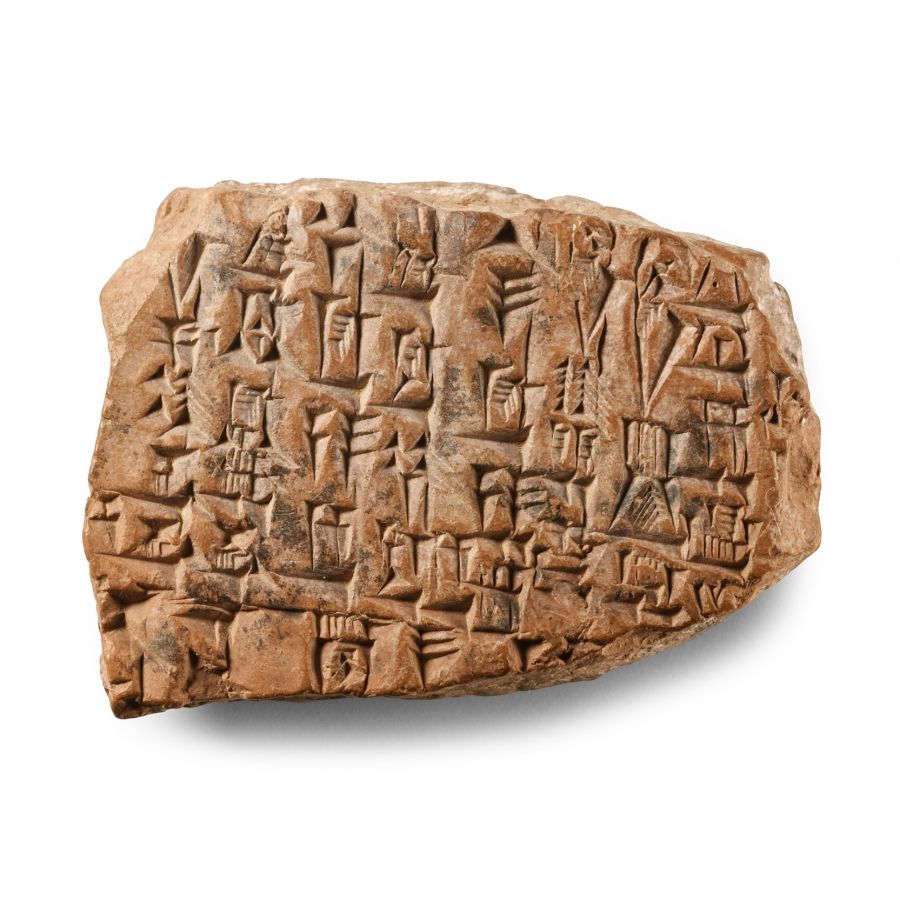
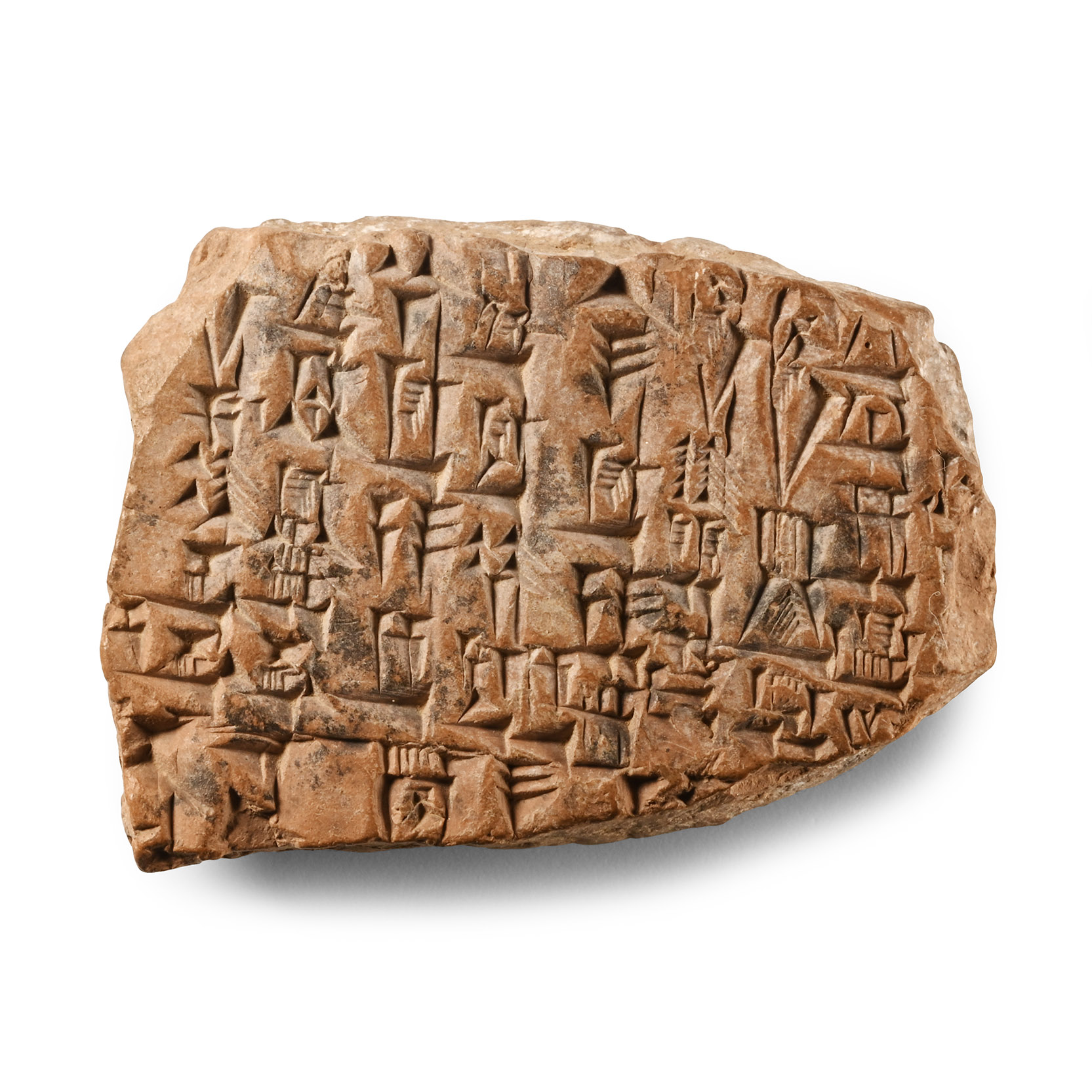
Ur III Terracotta Cuneiform Tablet Fragment Concerning Field Divisions
CIRCA 2000 B.C.
1 7/8 in. (34.5 grams, 48 mm).
Irregular fragment with vertical columns of cuneiform text. [No Reserve]
ProvenanceAcquired from Ancient Art, London, UK, in 1985.
From the personal collection of a West London, UK, gentleman.
This lot has been checked against the Interpol Database of stolen works of art and is accompanied by search certificate no.12316-215186
Cf. similar in the British Museum under accession no.1935,0116.30.
CONDITIONTimeLine Auctions follows a vetting process to ensure the authenticity and legality of all items, reinforcing our commitment to integrity and responsible trading. Each antiquity, antique, and coin lot undergoes thorough examination by a vetting committee of at least ten external specialists, professional trade association members, scientists, and archaeologists: Our Vetting Process
AUCTIONS:
TimeLine is a leading auction house specialising in antiquities, ancient art, collectables, natural history, coins, medals, and books. Our auctions offer museums, collectors, historians, and enthusiasts the opportunity to acquire unique and historically significant pieces.
LOT 1088
Ur III Terracotta Cuneiform Tablet Fragment Concerning Field Divisions
Sold for (Inc. bp): £468
-
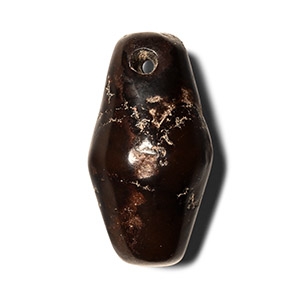
Mesopotamian Stone Bead
1st millennium B.C.Sold for (Inc. bp): £104
Biconical in profile with rounded ends, drilled for suspension. 16.2 grams, 31 mm
Ex Gilles Grimm collection, Paris, France. Acquired circa 2005-2010. Property of a French collector. -
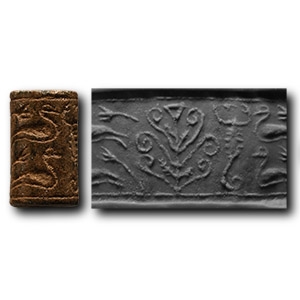
Neo-Assyrian Stone Cylinder Seal with Scorpion and Bird
1st millennium B.C.Sold for (Inc. bp): £845
With pointillé design of two birds one above the other, a scorpion and a tulip. 3.32 grams, 17 mm
From the 'S' collection, acquired 1970-1990s. The collection was seen and studied by W.G. Lambert, late Professor of Assyriology at the University of Birmingham, 1970-1993. -
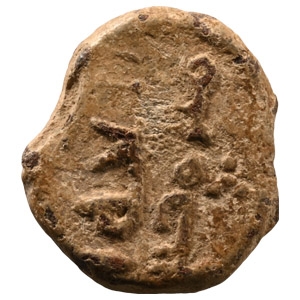
Western Asiatic Inscribed Lead Document Bulla
Circa 8th-9th century A.D.Sold for (Inc. bp): £20
Discoid with two line inscription to both sides. 10 grams, 21 mm
From the property of late Mr SM, London, UK, 1969-1999.
