
Loading, please wait...
LOT 0216
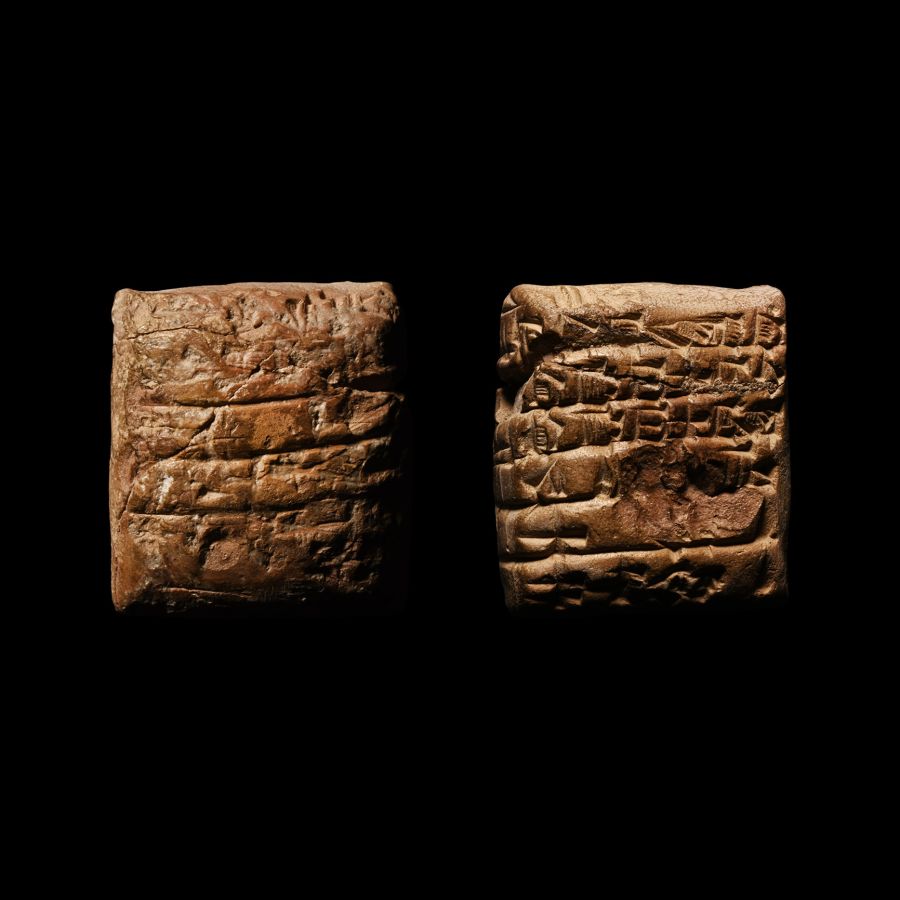
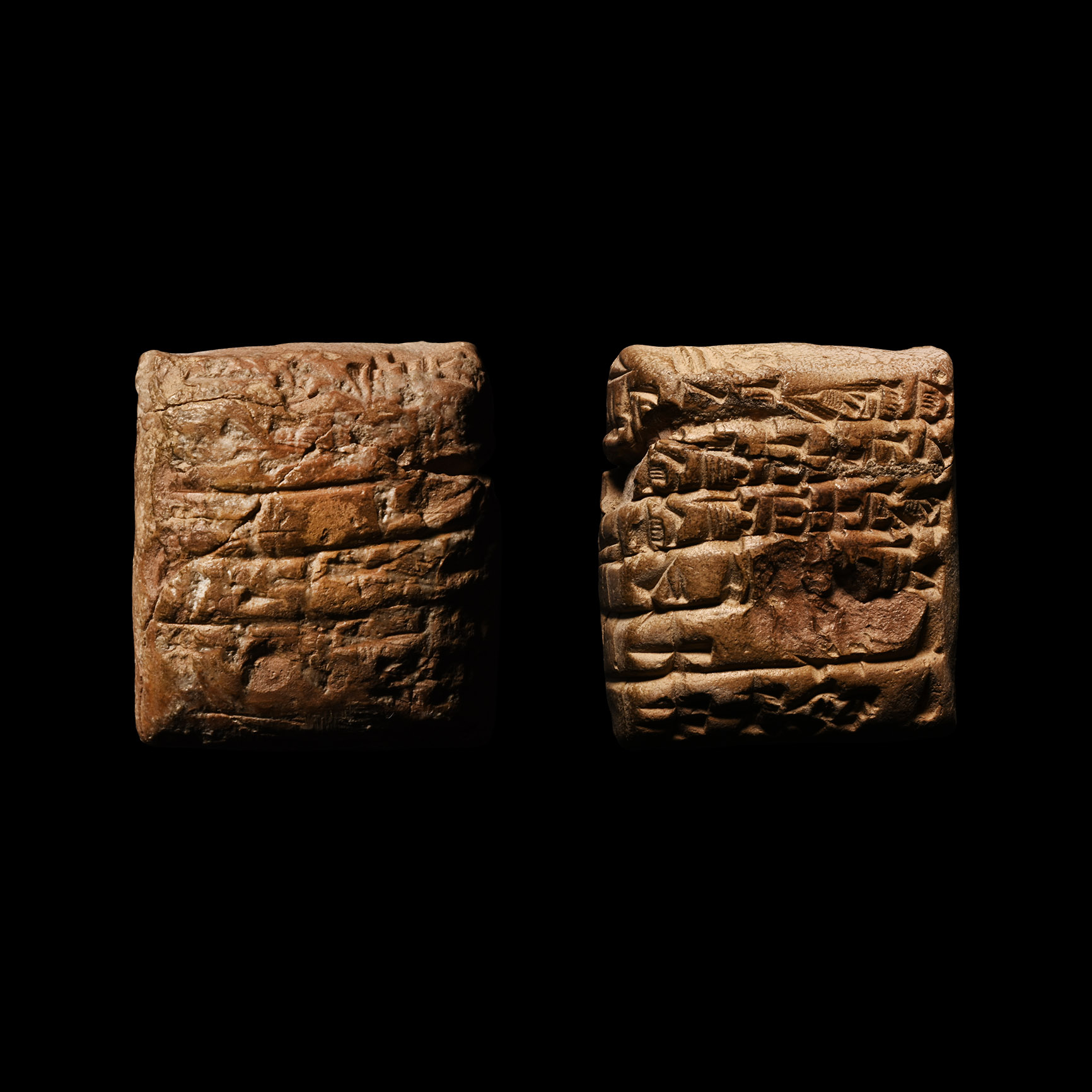
Ur III Clay Cuneiform Tablet
3RD MILLENNIUM B.C.
1 3/8 in. (26.8 grams, 35 mm).
Pillow-shaped and bearing text to both principal faces and one side edge.
ProvenanceFrom an important collection formed before 1988.
CONDITIONTimeLine Auctions follows a vetting process to ensure the authenticity and legality of all items, reinforcing our commitment to integrity and responsible trading. Each antiquity, antique, and coin lot undergoes thorough examination by a vetting committee of at least ten external specialists, professional trade association members, scientists, and archaeologists: Our Vetting Process
AUCTIONS:
TimeLine is a leading auction house specialising in antiquities, ancient art, collectables, natural history, coins, medals, and books. Our auctions offer museums, collectors, historians, and enthusiasts the opportunity to acquire unique and historically significant pieces.
-
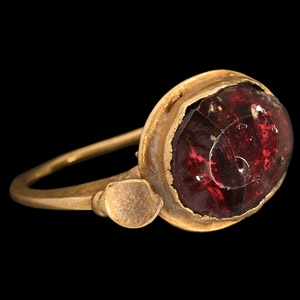
Sassanian Gold Ring with Garnet Gemstone
Circa 2nd-3rd century A.D.Estimate: £500 - 700 (+bp*)
Opening Bid: £250
Flat-section hoop with scooped shoulders, carinated bezel with small secondary cell connected to one shoulder, inset bevelled garnet cabochon. 5.41 grams, 23.67 mm overall, 16.68 mm internal diameter (approximate size British H 1/2, USA 4, Europe 6.81, Japan 6)
Acquired 1970-2010. Collection of a late Japanese gentleman. -
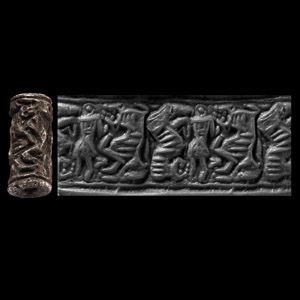
Western Asiatic Silver Cylinder Seal
2nd-1st millennium B.C.Sold for (Inc. bp): £910
Displaying an incuse frieze depicting a Master of Animals gripping bulls; accompanied by a museum-quality impression. 3.24 grams, 1.5 cm
Ex private collection, 1965-2020. -
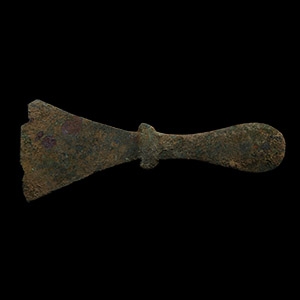
Western Asiatic Bronze Flat Axe
Circa 3rd-2nd millennium B.C.Sold for (Inc. bp): £59
Comprising a wedge-shaped blade and piriform handle. 156 grams, 17.7 cm
UK private collection formed before 2000. Ex North London, UK, gallery.
These blades were fitted directly to the handle or via a sheath. Flat axes, whose axis is parallel to that of the handle, often had a rounded edge like in our specimen, or a flared and bevelled edge, while flat adzes have an axis perpendicular to that of the handle and a bevel edge on one side only. Their shape comes directly from the lithic axes of the Neolithic and Chalcolithic periods.
