
Loading, please wait...
LOT 2600
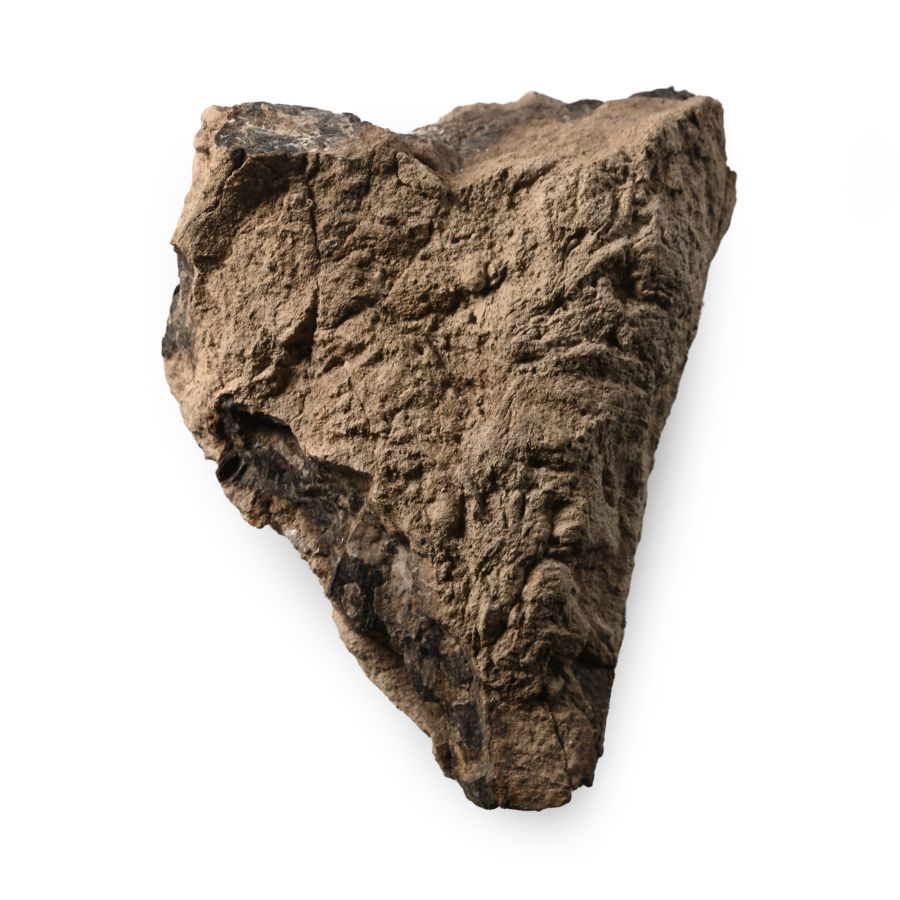
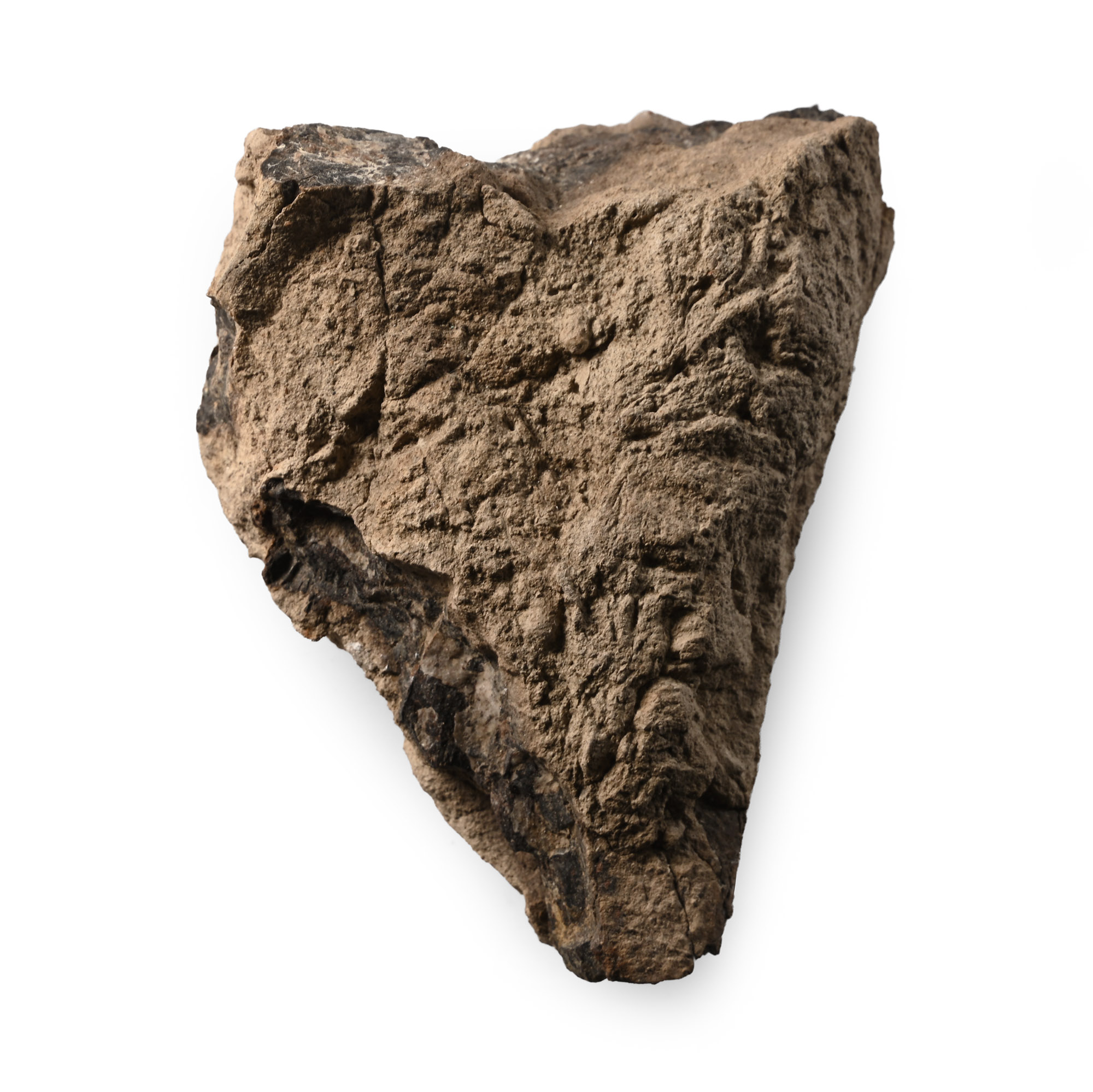
Tyrannosaurus Fossil Coprolite 'T-Rex Dung'
LATE CRETACEOUS PERIOD, CIRCA 70-66.5 MILLION YEARS B.P.
3 1/2 in. (208 grams, 88 mm).
An irregular mass of fossilised dung. [No Reserve]
ProvenanceEx Cambridgeshire, UK, collection.
CONDITIONTimeLine Auctions follows a vetting process to ensure the authenticity and legality of all items, reinforcing our commitment to integrity and responsible trading. Each antiquity, antique, and coin lot undergoes thorough examination by a vetting committee of at least ten external specialists, professional trade association members, scientists, and archaeologists: Our Vetting Process
AUCTIONS:
TimeLine is a leading auction house specialising in antiquities, ancient art, collectables, natural history, coins, medals, and books. Our auctions offer museums, collectors, historians, and enthusiasts the opportunity to acquire unique and historically significant pieces.
-
.jpg)
Half Geode with Grey Quartz and Calcite Crystals
Sold for (Inc. bp): £1,105
A geode section with highly polished edges showing contrasting agate bands, inside lined with small grey quartz crystals, hexagonal formation of colourless to light grey quartz crystals, and intergrown calcite to one side; mounted on a custom-made display stand. 8.75 kg total, 28.5 wide including stand
From Artigas, Uruguay. Property of a London lady. -
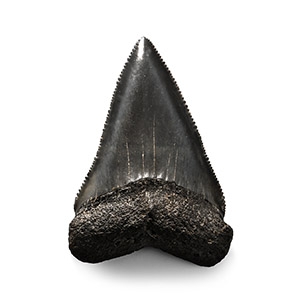
Large Fossilised Great White Shark's Tooth
Pliocene Period, circa 5.2-2.5 million years B.P.Sold for (Inc. bp): £195
From Carcharocles sp. showing good enamel and serrations. 21.1 grams, 58 mm
Ex Jack Shaul collection, North Hants, UK. -
![Cut and Polished Agate Slice Collection [6]](https://timelineauctions.com/upload/images/items/small/228220-s.jpg)
Cut and Polished Agate Slice Collection [6]
Sold for (Inc. bp): £33
Comprising six translucent, highly-polished slices, mainly dyed. 422 grams total, 8.5-10.7 cm
From Brazil. Ex Mineral Imports, London, UK. Gregory, Bottley & Lloyd (Gregory's), Harwich, UK.
