
Loading, please wait...
LOT 1810
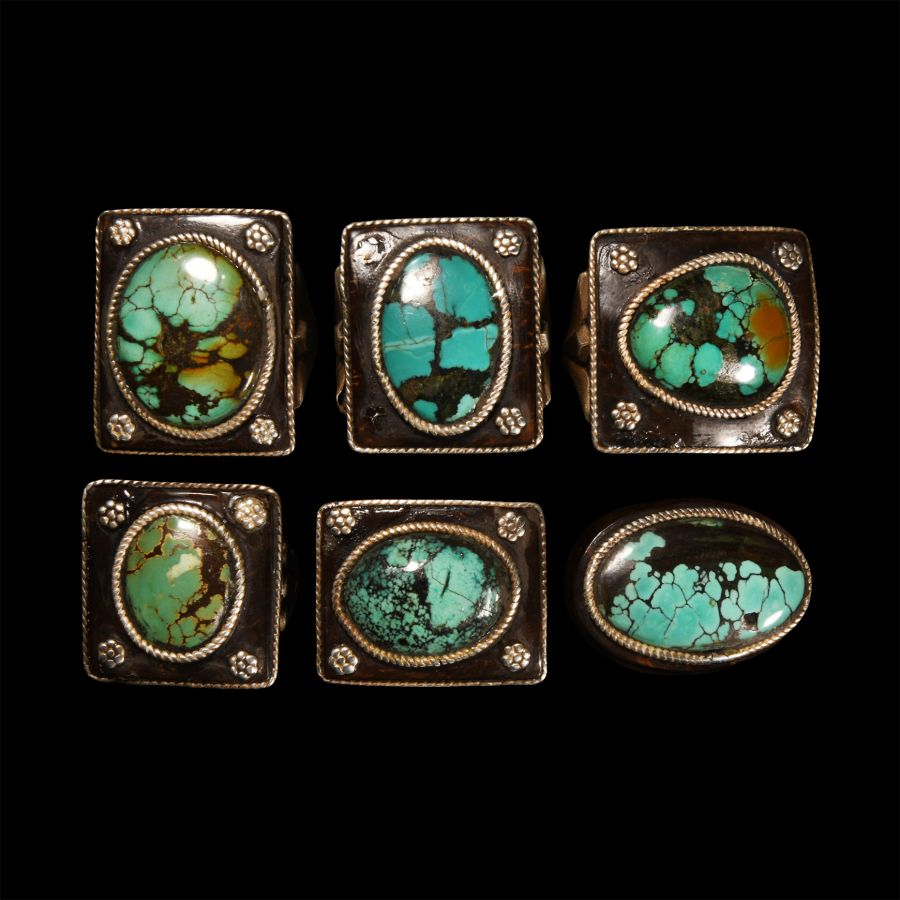
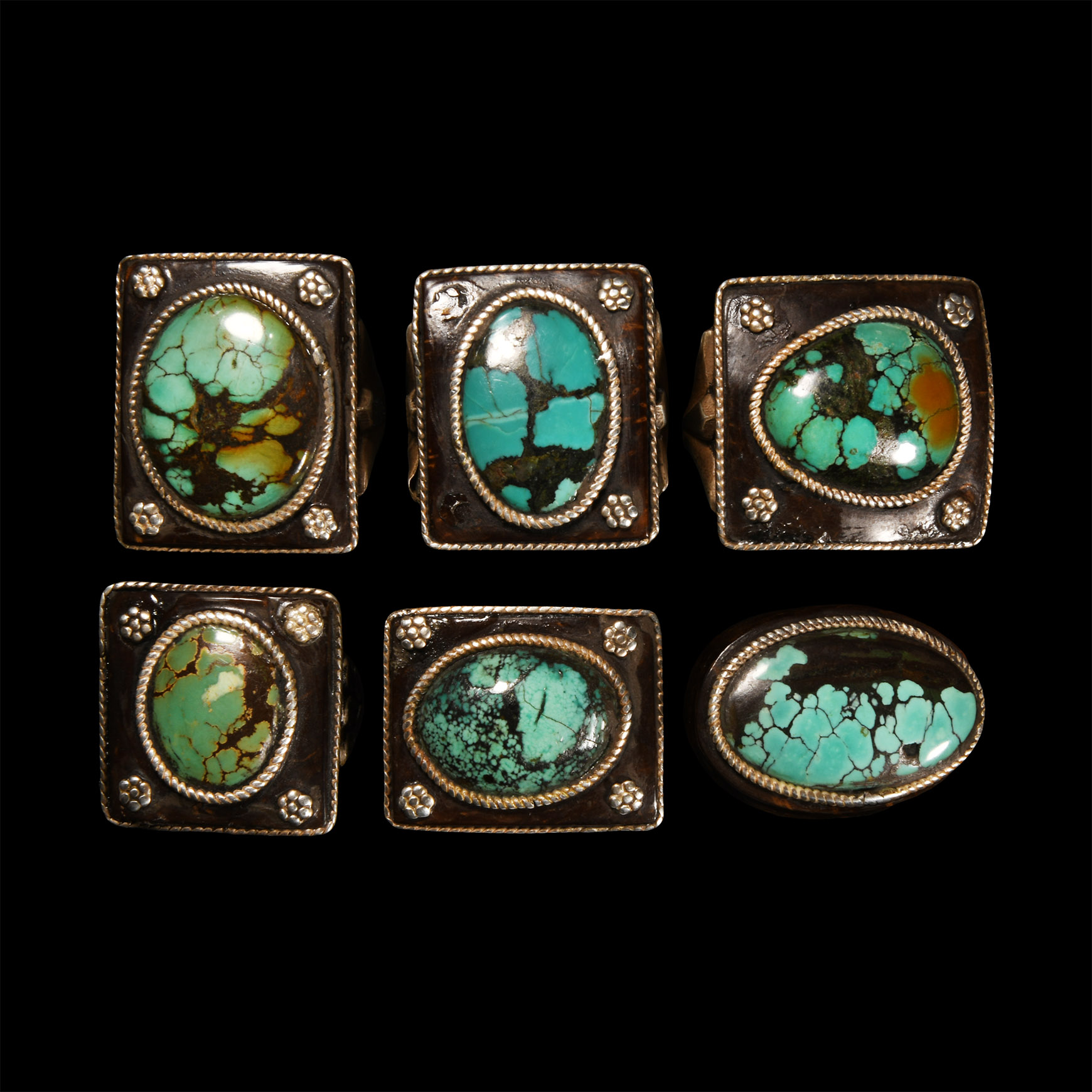
Turquoise Set Ring Group
20TH CENTURY A.D.
1 1/8 - 1 3/8 in. (54 grams total, 29-34 mm).
Mixed group of shell finger rings with silver-coloured metal detailing and turquoise-coloured cabochon inserts. [6, No Reserve]
ProvenanceProperty of a South West London gentleman.
CONDITIONTimeLine Auctions follows a vetting process to ensure the authenticity and legality of all items, reinforcing our commitment to integrity and responsible trading. Each antiquity, antique, and coin lot undergoes thorough examination by a vetting committee of at least ten external specialists, professional trade association members, scientists, and archaeologists: Our Vetting Process
AUCTIONS:
TimeLine is a leading auction house specialising in antiquities, ancient art, collectables, natural history, coins, medals, and books. Our auctions offer museums, collectors, historians, and enthusiasts the opportunity to acquire unique and historically significant pieces.
-
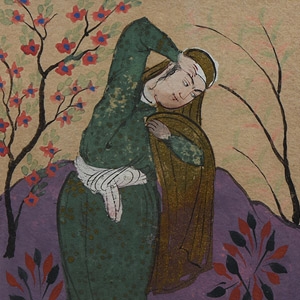
Framed Watercolour Painting
Persia, late 19th-20th century A.D.Sold for (Inc. bp): £72
Showing a female figure in a stylised landscape within a blue and white frame, itself set in a larger landscape composed of wispy flowering trees and sparse bushes; mounted in a reveal and a glazed wooden frame. 904 grams, 43.5 x 31.2 cm
Fine condition.
Acquired on the UK art market, 1980s-1990s. The Woodbridge collection of Indo-Persian art. -
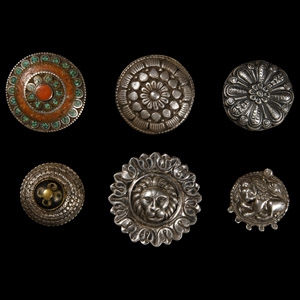
Mixed Ring Group
20th century A.D.Sold for (Inc. bp): £20
Mixed group of silver-coloured metal finger rings each with a large discoid bezel, enamelled and other detailing. 135 grams total, 33-49 mm
Property of a South West London gentleman. -
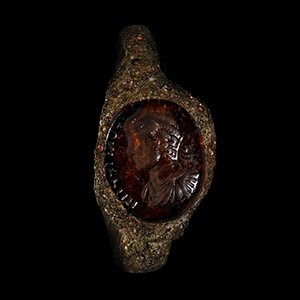
Emperor Intaglio in Iron Ring
20th century A.D.Sold for (Inc. bp): £98
A glass intaglio bearing a profile bust of Gordian III (238-244 A.D.) with diadem and mantle, inscription to rim 'PONTI PP IIII'; set into a degraded iron finger ring. 17 grams, 40 mm overall, 18.31 mm internal diameter (approximate size British Q, USA 8, Europe 17.49, Japan 16)
Fine condition.
Ex D.L. collection; previously the property of her father for over 50 years.
