
Loading, please wait...
LOT 2005
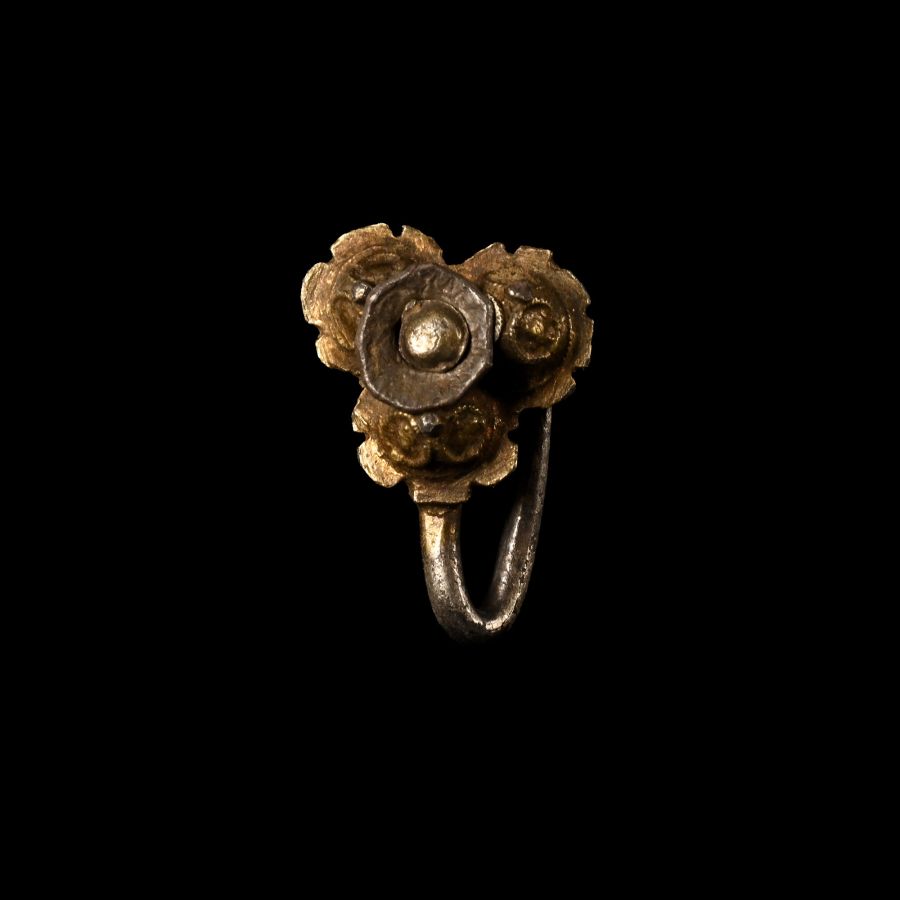
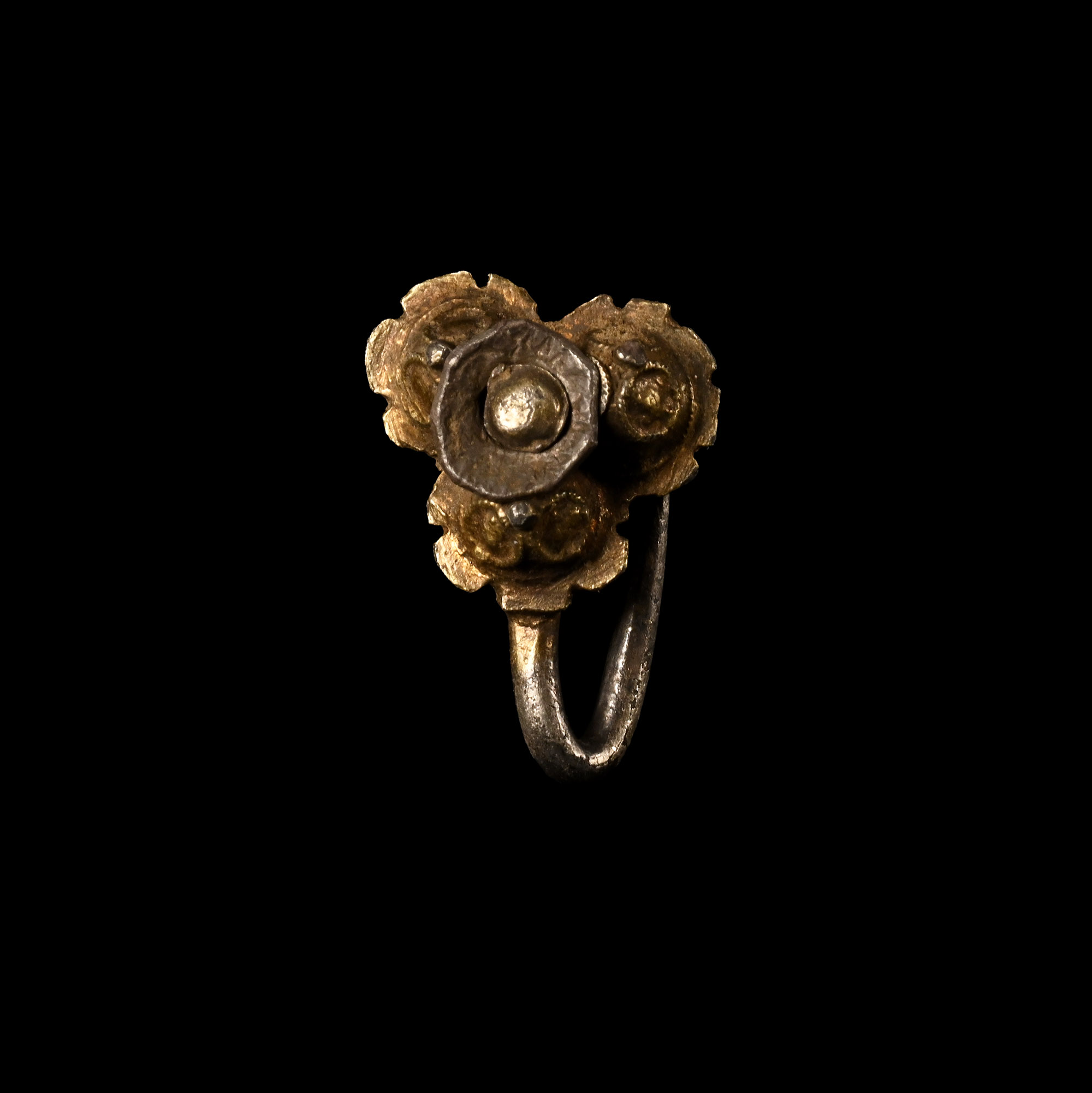
Tudor Silver Hooked Tag Clothes Fastener
1500-1600 A.D.
7 1/2 in. (2.28 grams, 19 cm).
Comprising three domes decorated with filigree surrounding a central pellet, hook to the reverse; Read Class D, Type 6. [No Reserve]
ProvenanceFound Uttlesford, Essex, UK, declared as Treasure and disclaimed by the Crown with Treasure case tracking number: 2022T941.
Accompanied by a copy of the British Museum's Portable Antiquities Scheme (PAS) report no.ESS-491A58.
This lot is accompanied by an illustrated lot declaration signed by the Head of the Antiquities Department, Dr Raffaele D'Amato.
See The Portable Antiquities Scheme nos.LVPL-3004DD, NMS-E1FD52, and SF-034BF3, for similar examples.
CONDITIONTimeLine Auctions follows a vetting process to ensure the authenticity and legality of all items, reinforcing our commitment to integrity and responsible trading. Each antiquity, antique, and coin lot undergoes thorough examination by a vetting committee of at least ten external specialists, professional trade association members, scientists, and archaeologists: Our Vetting Process
AUCTIONS:
TimeLine is a leading auction house specialising in antiquities, ancient art, collectables, natural history, coins, medals, and books. Our auctions offer museums, collectors, historians, and enthusiasts the opportunity to acquire unique and historically significant pieces.
-
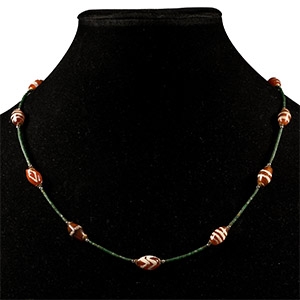
Glass Bead Necklace
20th century A.D.Sold for (Inc. bp): £72
Composed of green glass seed beads interspersed with nine biconical red-and-white glass beads; restrung with metal closure. 15 grams, 49 cm
From the family collection of a Hampstead gentleman; formerly acquired in the 1980s. This lot is accompanied by an illustrated lot declaration signed by the Head of the Antiquities Department, Dr Raffaele D'Amato. -
.jpg)
Rock Crystal Vase with Lions Attacking Ibex and Stag
20th century A.D.Sold for (Inc. bp): £390
Bulbous body with trumpet-shaped neck; low-relief image of two lions chasing an ibex and a stag, flowers and crescent moons above. 392 grams, 91 mm
From the family collection of a Hampstead gentleman; formerly acquired in the 1980s. This lot is accompanied by an illustrated lot declaration signed by the Head of the Antiquities Department, Dr Raffaele D'Amato. -
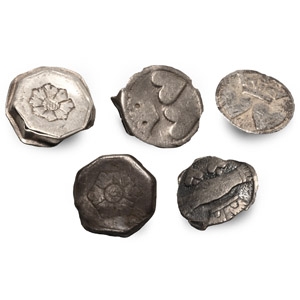
Stuart Period Silver Button Collection
17th century A.D.Sold for (Inc. bp): £52
Two with central hexafoil motif, two with crown over two hearts and one similar with clasped hand between the crown and hearts; each with loop to reverse. 2.7 grams total, 11-13 mm
Acquired from an old jewellery collection, Harwich, Essex, UK. Property of an Essex, UK, gentleman. This lot is accompanied by an illustrated lot declaration signed by the Head of the Antiquities Department, Dr Raffaele D'Amato.
