
Loading, please wait...
LOT 1888
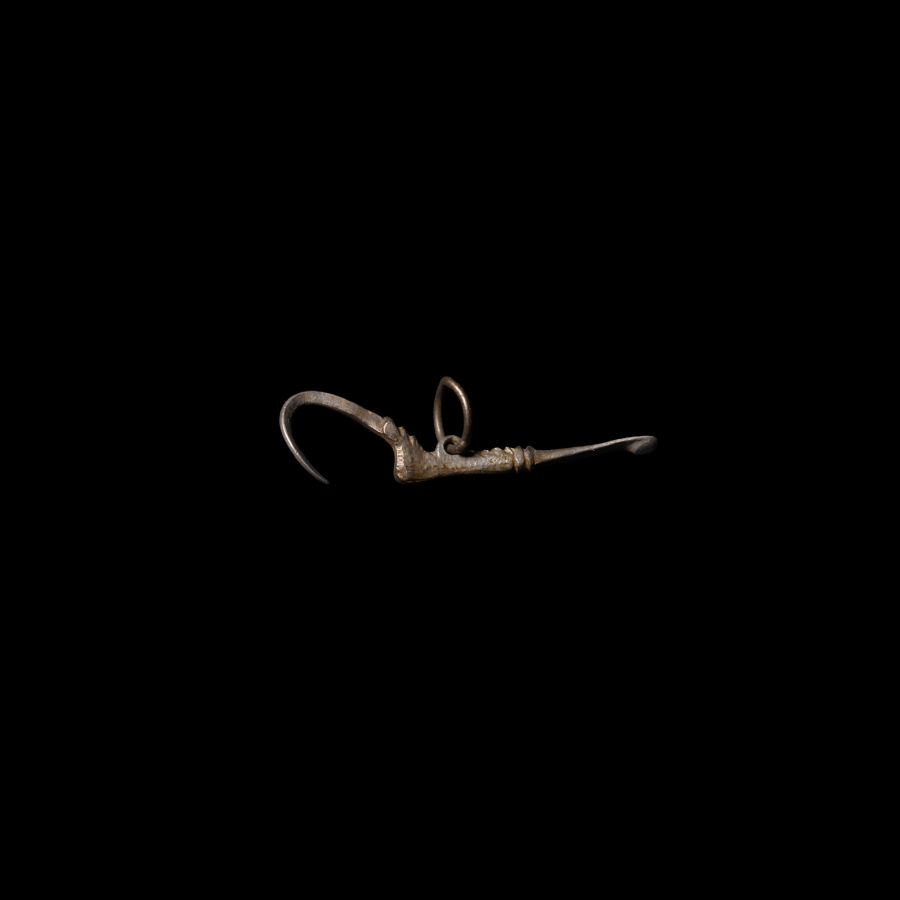
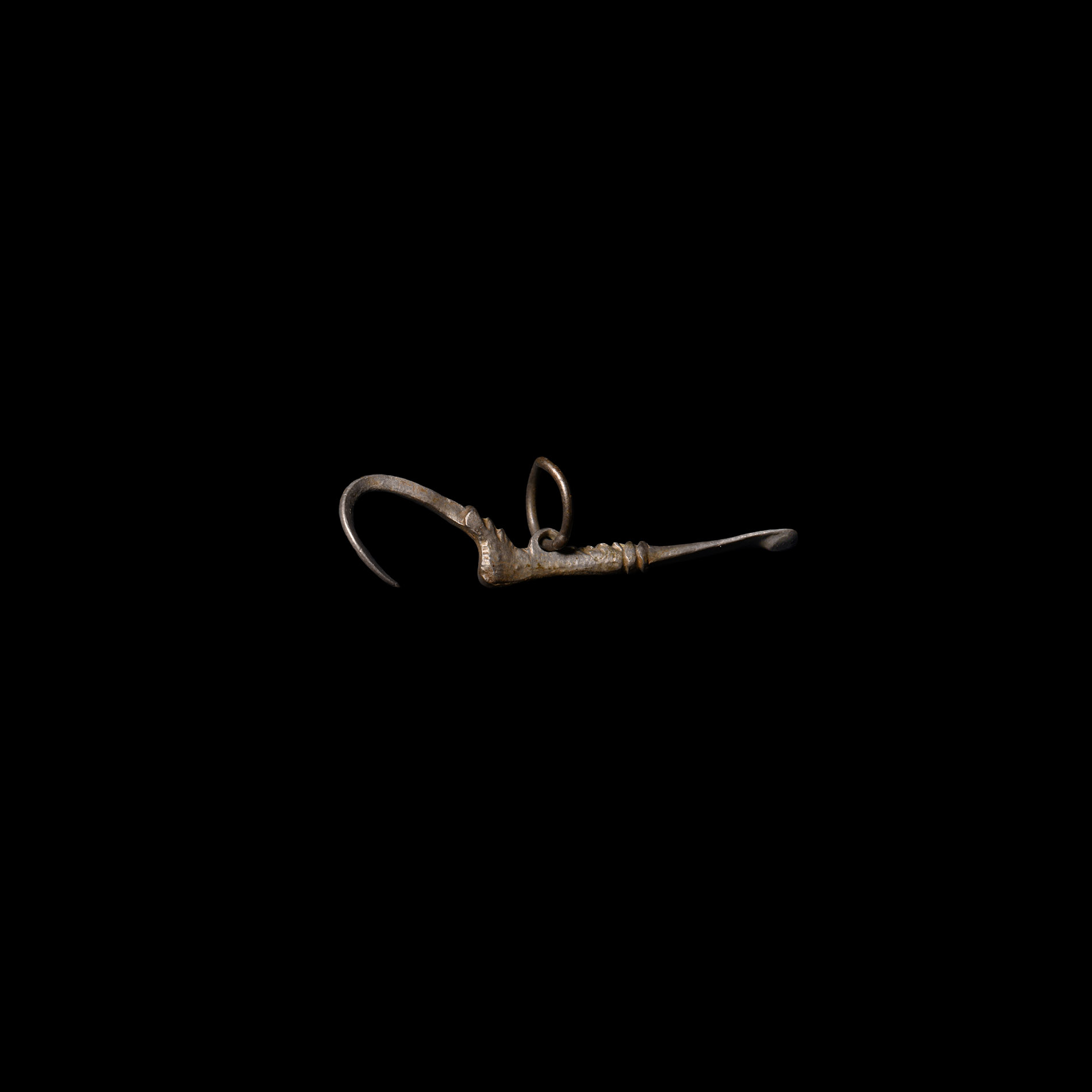
Tudor Silver Cosmetic Tool
16TH CENTURY A.D.
2 in. (2.3 grams, 51 mm).
Comprising a hooked toothpick and a miniature spoon used as an ear scoop, serrated surface between used as a file; suspension ring.
ProvenanceAcquired in London in 1985.
Property of a Kent gentleman.
See British Museum's Portable Antiquities Database, ref.no. DENO-E6E8D8, for a very similar example found in Longford, Derbyshire.
CONDITIONTimeLine Auctions follows a vetting process to ensure the authenticity and legality of all items, reinforcing our commitment to integrity and responsible trading. Each antiquity, antique, and coin lot undergoes thorough examination by a vetting committee of at least ten external specialists, professional trade association members, scientists, and archaeologists: Our Vetting Process
AUCTIONS:
TimeLine is a leading auction house specialising in antiquities, ancient art, collectables, natural history, coins, medals, and books. Our auctions offer museums, collectors, historians, and enthusiasts the opportunity to acquire unique and historically significant pieces.
LOT 1888
Tudor Silver Cosmetic Tool
Estimate £150 - 200€170 - 230 (for guidance only)$200 - 270 (for guidance only)
-
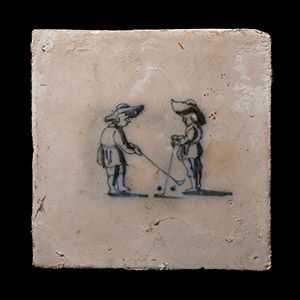
Post Medieval Dutch Glazed Ceramic Tile with Golf Scene
17th-18th century A.D.Sold for (Inc. bp): £130
The blue and white glazed vignette showing two gentlemen engaged in sport. 385 grams, 13 x 13 cm
Acquired 1990s-early 2000s. East Anglian private collection. -
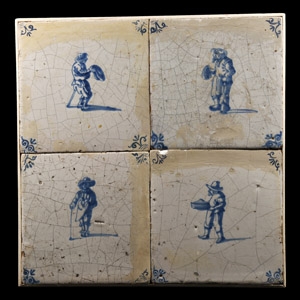
Post Medieval Glazed Ceramic Tile Set
Circa 18th century A.D.Sold for (Inc. bp): £39
Displayed in a wooden frame, showing a series of male figures wearing period dress, engaged in various activities. 2.14 kg, 26.5 x 26.5 cm
Acquired 1990s-early 2000s. East Anglian private collection. -
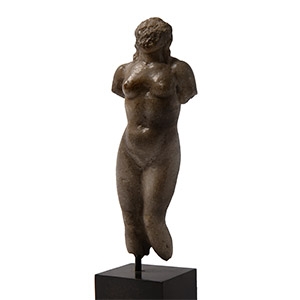
Mounted Marble Torso
20th century A.D.Estimate: £100 - 140 (+bp*)
Opening Bid: £50
Carved in the round as a standing nude female; mounted on a custom-made display stand. 165 grams total, 14.5 cm high including stand
Acquired 1980-2015. Ex Abelita family collection.
