
Loading, please wait...
LOT 2088
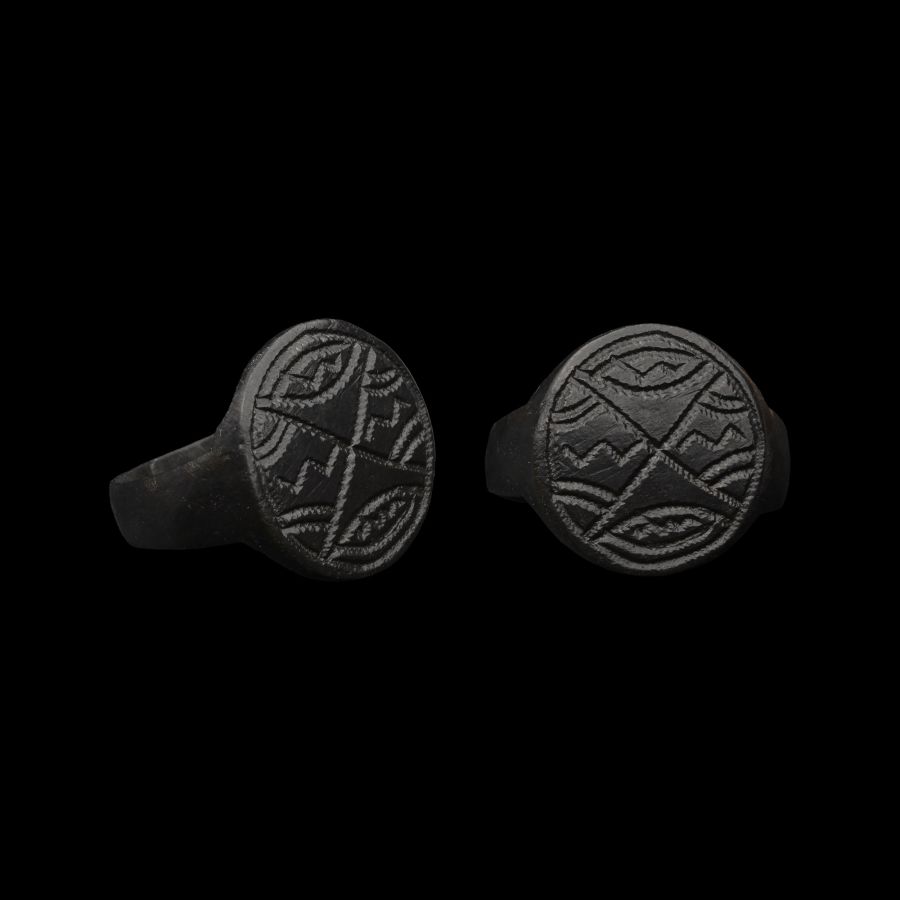
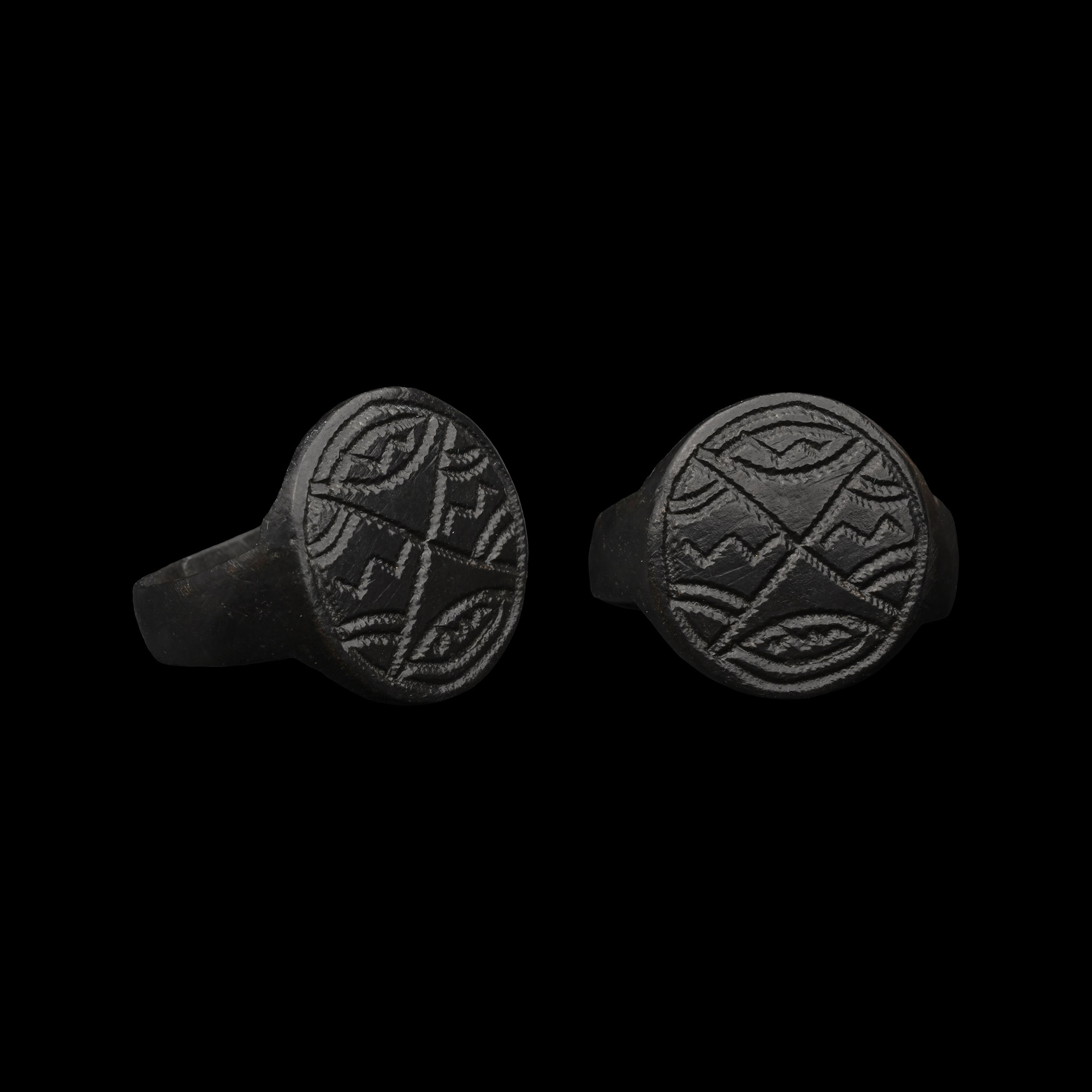
Tudor Period Bronze Ring with Waves
CIRCA 16TH-17TH CENTURY A.D.
7/8 in. (7.78 grams, 22.11 mm overall, 18.60 mm internal diameter (approximate size British O 1/2, USA 7 1/4, Europe 15.61, Japan 15)).
Keeled hoop and large discoid bezel with geometric motifs. [No Reserve]
ProvenanceEx German art market, 2000s.
Acquired from an EU collector living in London.
From the collection of a Surrey, UK, gentleman.
TimeLine Auctions follows a vetting process to ensure the authenticity and legality of all items, reinforcing our commitment to integrity and responsible trading. Each antiquity, antique, and coin lot undergoes thorough examination by a vetting committee of at least ten external specialists, professional trade association members, scientists, and archaeologists: Our Vetting Process
AUCTIONS:
TimeLine is a leading auction house specialising in antiquities, ancient art, collectables, natural history, coins, medals, and books. Our auctions offer museums, collectors, historians, and enthusiasts the opportunity to acquire unique and historically significant pieces.
-
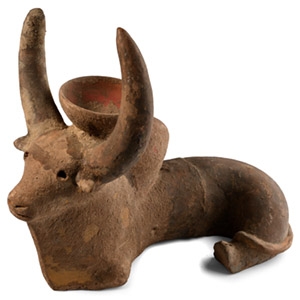
Indus Valley Style Terracotta Bull Statue
20th century A.D. or earlierSold for (Inc. bp): £104
A hollow-formed zebu figurine in reclining pose with socket between the horns, painted detailing. 704 grams, 22 cm
Fine condition.
Property of a London gentleman; acquired before 2000. From the private collection of John Meredith, acquired since the 1990s; thence by descent. -
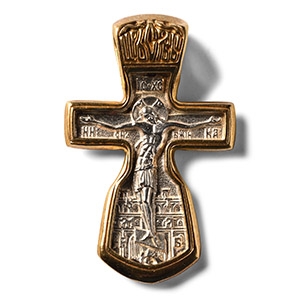
Russian Silver-Gilt Cross Pendant
21st century A.D.Sold for (Inc. bp): £39
Cruciform pendant, the upper arm with suspension loop and dense reserved text, lower arms expanding to a spade-shaped finial; reserved and recessed central panel with Calvary scene on a field of dense text; stamped '925' to rear of loop. 4.43 grams, 29 mm
From the private collection of a West London, UK, gentleman, formed since the early 2000s. -
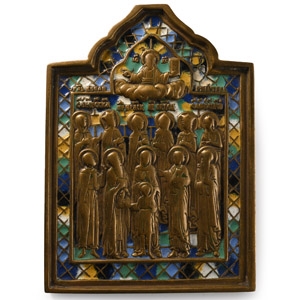
Russian Orthodox Enamelled Bronze Travel Icon with Saint Julyttas and Her Son Cyricus
19th century A.D.Estimate: £200 - 300 (+bp*)
Opening Bid: £100
With polychrome enamel in green, blue and yellow, framed by a square border with pointed doom, representing Saint Julyttas and her son Cyricus, surrounded by Saints; on the top, Christ Pantokrator, nimbate, making the gesture of blessing and holding a Gospel, seated upon a cloud and surrounded by Cyrillic letters 'ΙC ΧΡ' (Jesus Christ); Cyrillic inscriptions above some of the saints. 325 grams, 13.5 cm
Acquired from Chris Martin-Zakheim, Iconastas, 5 Piccadilly Arcade, London SW1. From the private collection of a West London, UK, gentleman, formed since the early 2000s.
Made of bronze with brightly coloured enamels, this icon was intended for private devotion, often carried by pilgrims and Orthodox believers for spiritual protection. St. Julyttas and her son Cyricus (Ки́рик и Иули́тта), among the most venerated figures in Russian tradition, are depicted in the centre, surrounded by other saints, a symbol of the communion of the righteous.
