
Loading, please wait...
LOT 1074
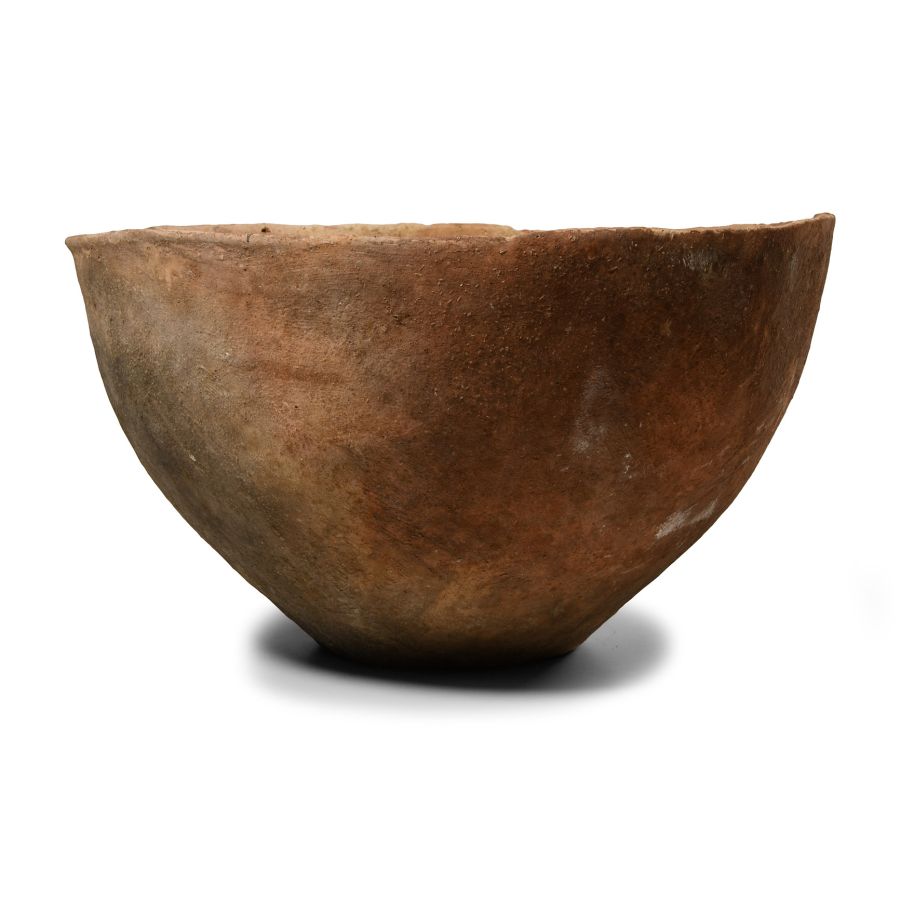
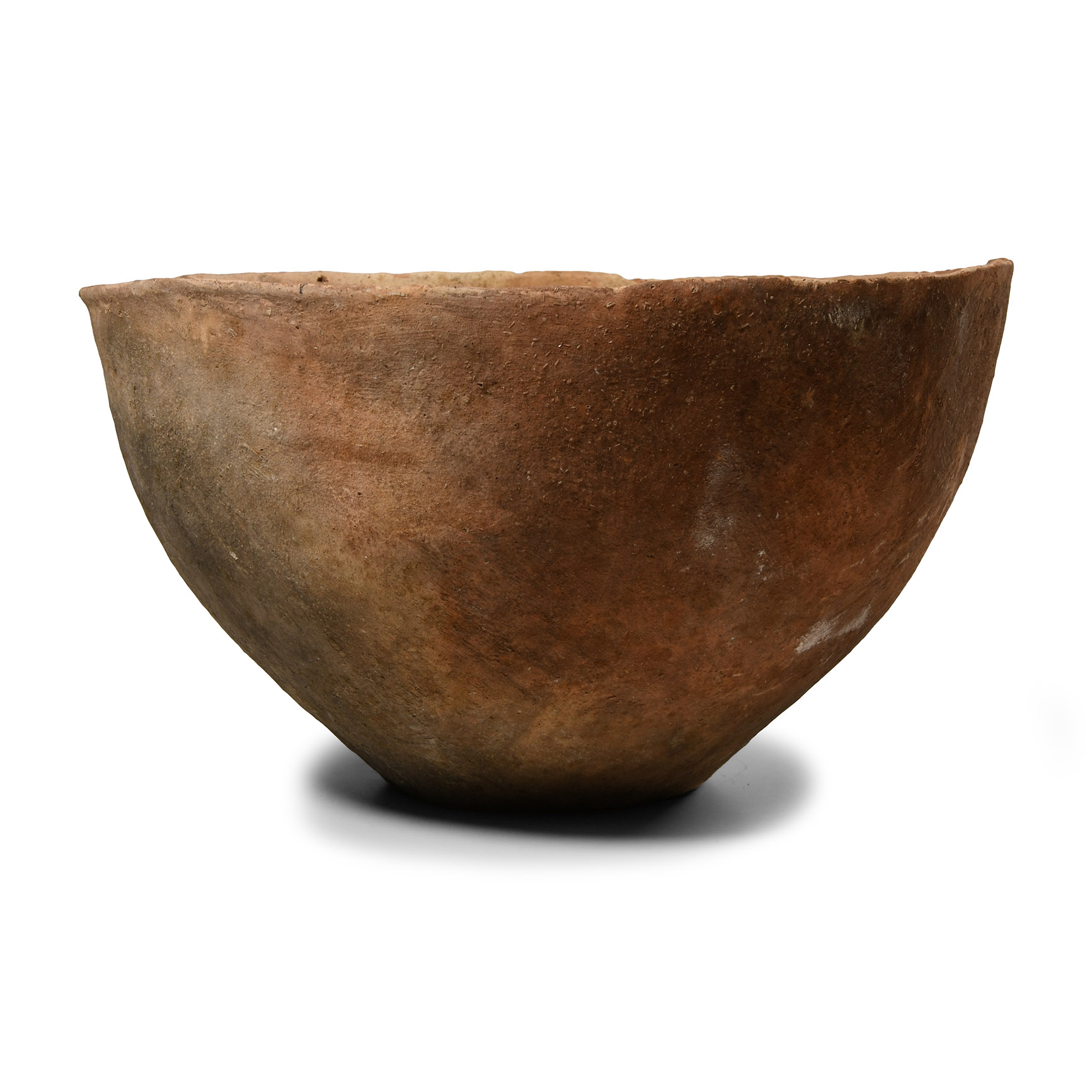
Trans Jordan Terracotta Bowl
EARLY BRONZE AGE I, 3RD MILLENNIUM B.C.
8 1/2 in. (1.06 kg, 21.5 cm wide).
Of squat profile with slightly chamfered rim. [No Reserve]
ProvenanceFrom an important collection of terracotta pre 1988, London and Geneva.
CONDITIONTimeLine Auctions follows a vetting process to ensure the authenticity and legality of all items, reinforcing our commitment to integrity and responsible trading. Each antiquity, antique, and coin lot undergoes thorough examination by a vetting committee of at least ten external specialists, professional trade association members, scientists, and archaeologists: Our Vetting Process
AUCTIONS:
TimeLine is a leading auction house specialising in antiquities, ancient art, collectables, natural history, coins, medals, and books. Our auctions offer museums, collectors, historians, and enthusiasts the opportunity to acquire unique and historically significant pieces.
-
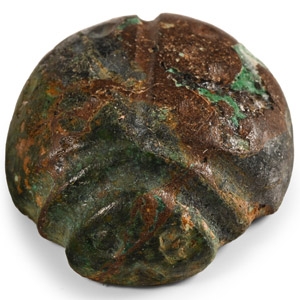
Western Asiatic Stone Ladybird Amulet
Circa 1st millennium B.C.Sold for (Inc. bp): £52
Plano-convex body with incuse pellet 'spots', incised facial and carapace details. 6.5 grams, 22 mm
UK private collection before 2000. On the UK art market. Property of a London gentleman. -
.jpg)
Mesopotamian Cylinder Seal with Adad and Lama Goddess
Late 3rd millennium B.C.Sold for (Inc. bp): £1,560
Haematite with the weather and storm god Adad standing of his symbol animal (the bull), holding in his left hand the lightning-fork, faces the suppliant goddess Lama; inscription: 1: dingir bi/ga ud … mi-lik … / 2: dumu A-bi-zum 'son of Abizum,' / 3: ìr ͩnin-si4-an-na 'servant of Ninsianna' / 4: ù ͩkab-ta 'and Kabta'. 18.4 grams, 28 mm
Ex Persepolis Gallery, Mayfair, London, UK; in the 1980s. Private collection, London, UK. From a collection acquired from various auction houses in the UK. From the estate of Mr R.W., a private Wiltshire, UK, collector; thence by descent. -
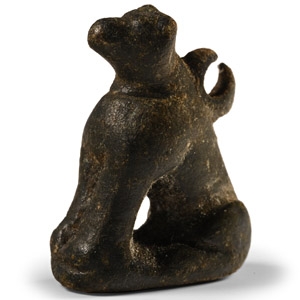
Western Asiatic Bronze Seated Dog Pendant
1st millennium B.C.Sold for (Inc. bp): £33
Modelled in the round, seated on a tongue-shaped base, loop to the back. 10.9 grams, 21 mm
UK private collection before 2000. On the UK art market. Property of a London gentleman.
