
Loading, please wait...
LOT 0834
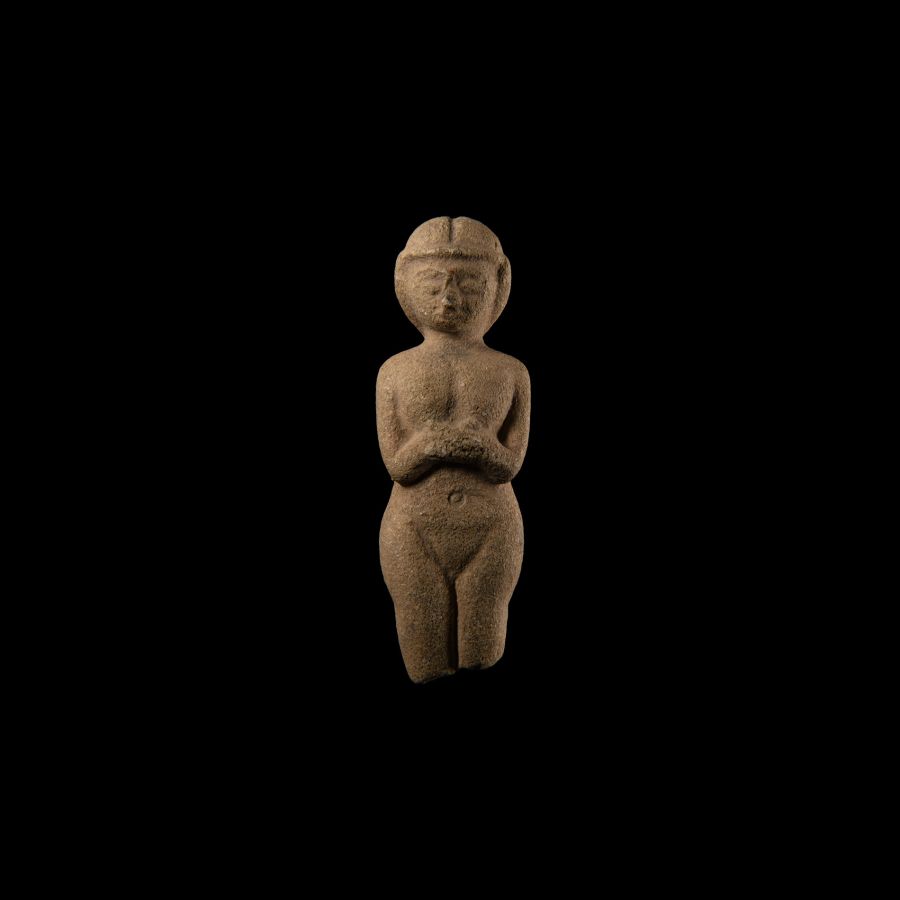
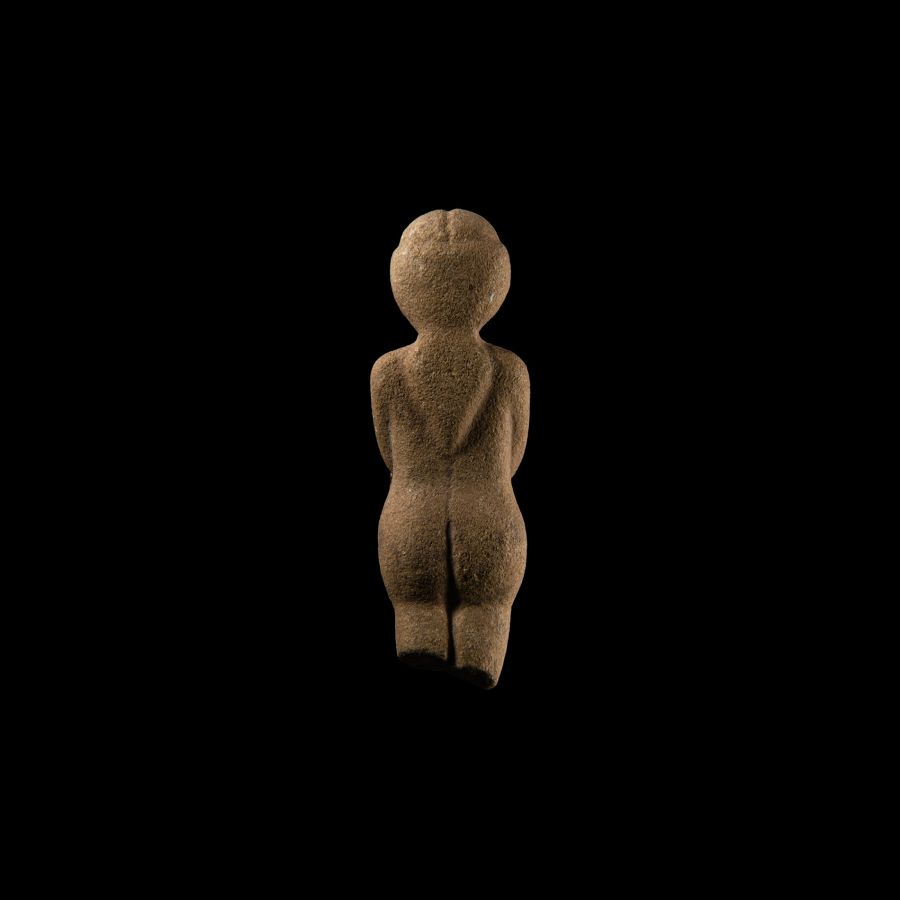
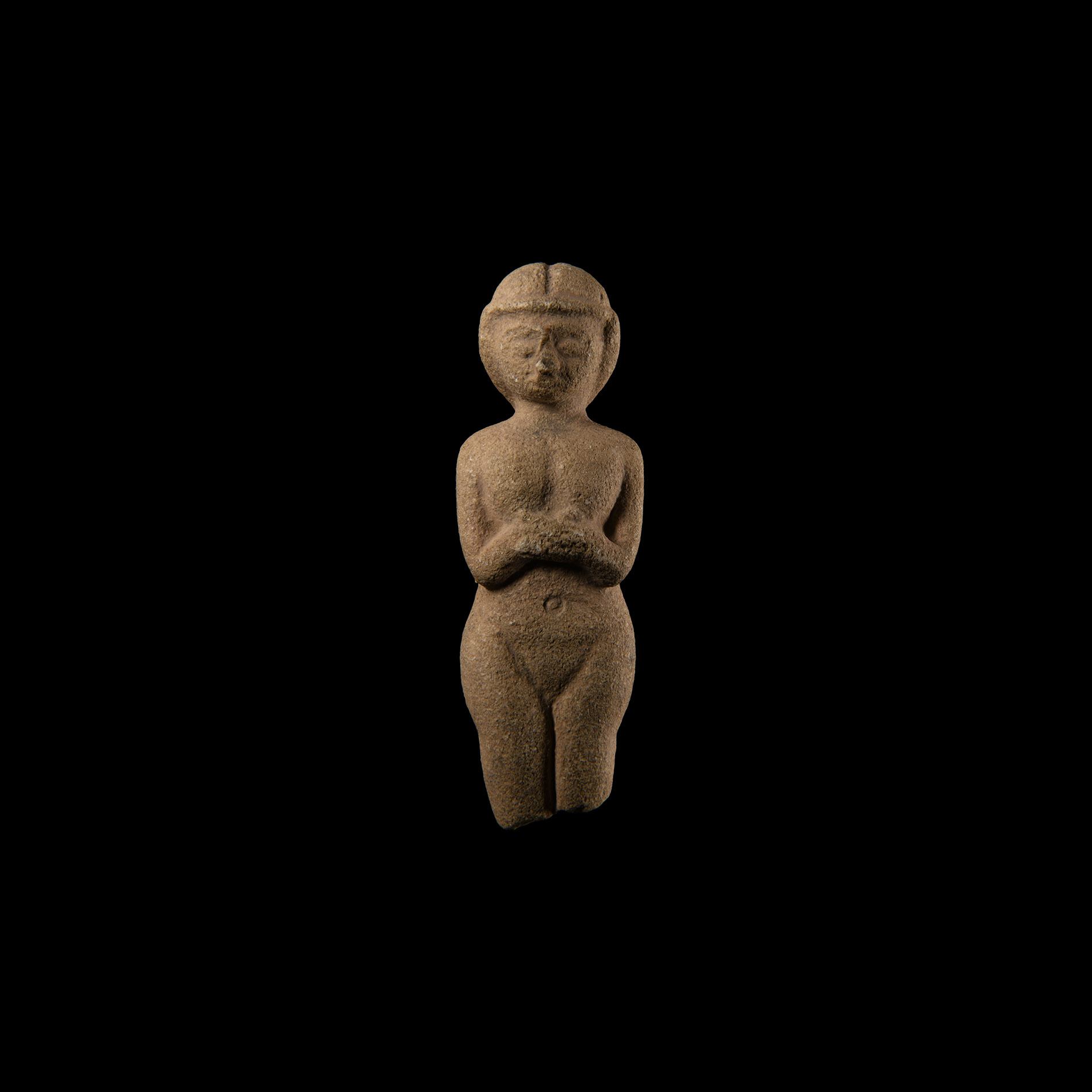
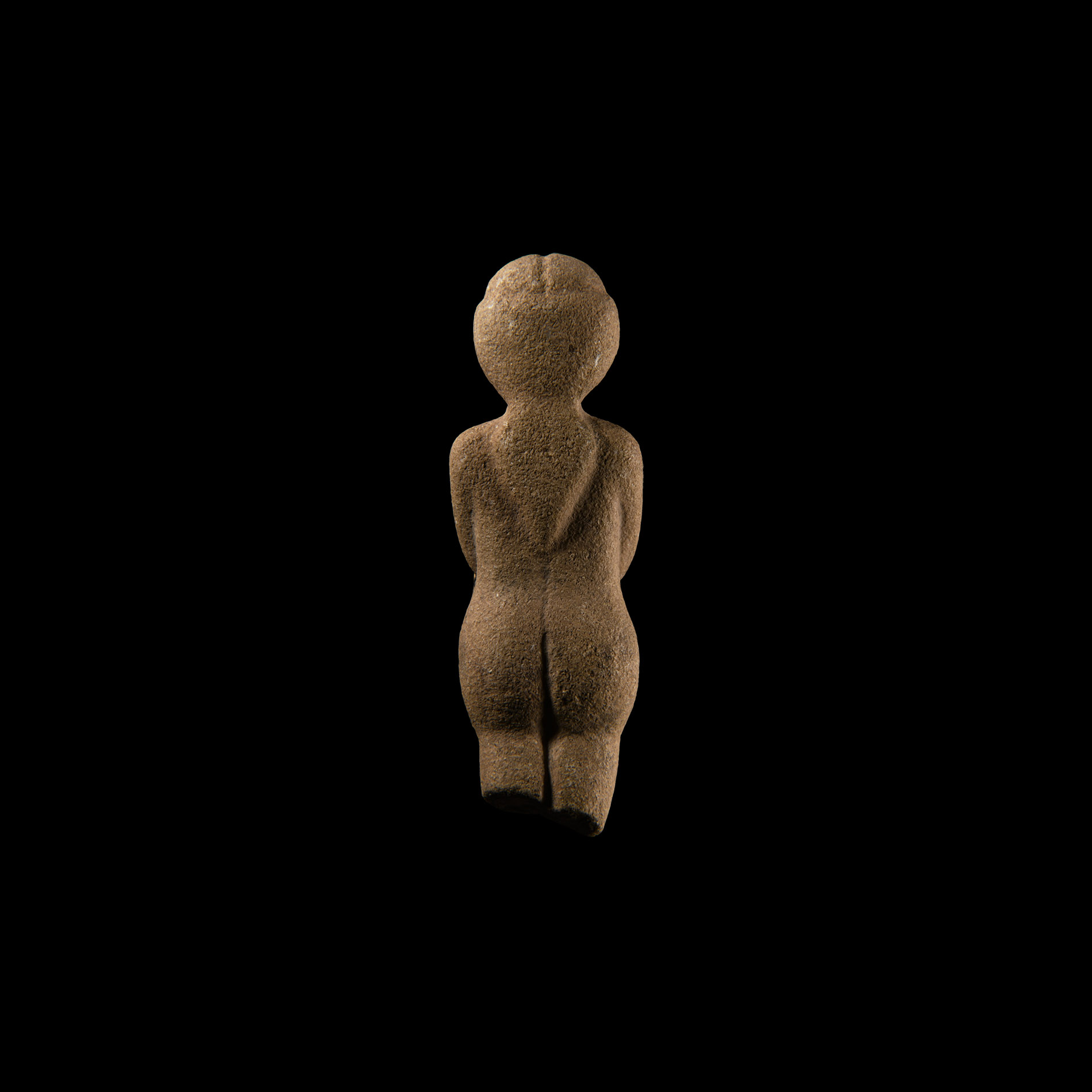
Trans-Jordan Alabaster Astarte Figure
1ST MILLENNIUM B.C.
3 1/8 in. (36.1 grams, 79 mm high).
Carved in the round with semi-naturalistic features, standing nude with her hands clasped together below her bust, hair dressed on top and flowing down her back.
ProvenanceFrom an important collection formed pre 1988, Geneva and London, by descent.
CONDITIONTimeLine Auctions follows a vetting process to ensure the authenticity and legality of all items, reinforcing our commitment to integrity and responsible trading. Each antiquity, antique, and coin lot undergoes thorough examination by a vetting committee of at least ten external specialists, professional trade association members, scientists, and archaeologists: Our Vetting Process
AUCTIONS:
TimeLine is a leading auction house specialising in antiquities, ancient art, collectables, natural history, coins, medals, and books. Our auctions offer museums, collectors, historians, and enthusiasts the opportunity to acquire unique and historically significant pieces.
-

Western Asiatic Glass Bead Necklace
1st millennium B.C. or laterSold for (Inc. bp): £39
Composed mainly of blue glass and faience beads of various shades and types, including annular, spherical, tubular and others; restrung. 10.5 grams, 70 cm long
Ex W.J. collection, 1990s. -
Sassanian Highly-Tinned Boat-Shaped Vessel
Circa 5th century A.D.Sold for (Inc. bp): £234
Produced using high-tinned bronze; featuring a rounded base and raised from a single sheet of precious metal; cracked. 212 grams, 20.5 cm wide
with a London, UK gallery 1971-early 2000s. -

Old Babylonian Micro Cuneiform Clay Tablet
Circa 18th century B.C.Sold for (Inc. bp): £520
Bearing an Akkadian literary text over two faces. 135 grams, 90 mm
Specialised collection of cuneiform texts, the property of a London gentleman and housed in London before 1992. Thence by descent to family members. Examined by Professor Wilfrid George Lambert FBA (1926-2011), historian, archaeologist, and specialist in Assyriology and Near Eastern archaeology, in the late 1980s and early 1990s. The collection is exceptional for the variety of types, including some very rare and well preserved examples.
