
LOT 2945
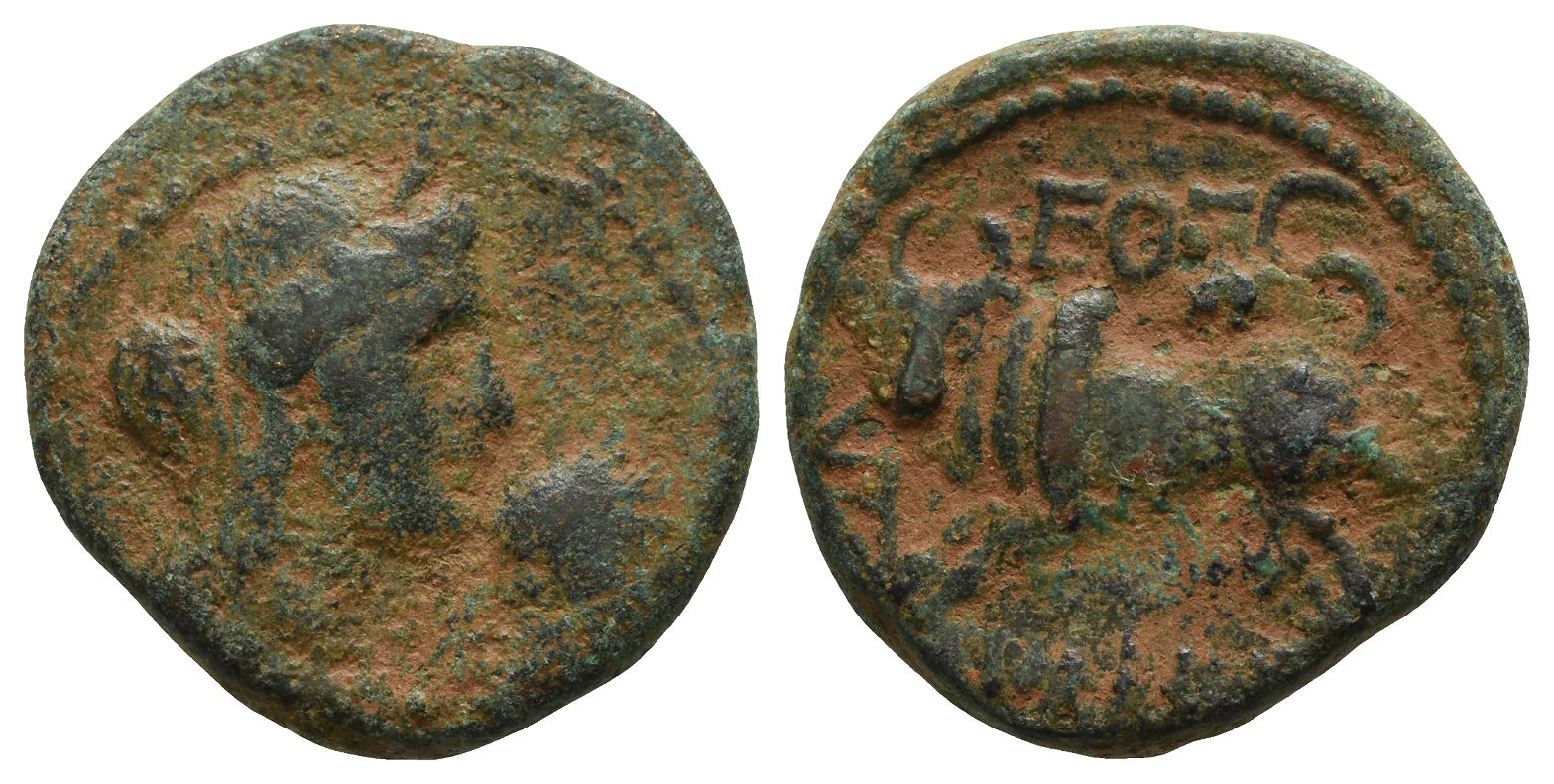
Trajan AE 23mm of Aradus, Phoenicia. AD 98-117.
Dated CY 375 (AD 116/7). Draped bust of Astarte-Europa to right; before, small laureate head of Trajan to right / EOT (date) above, APAΔIΩN beneath bull charging to left; Phoenician letter before. RPC III 3821; Rouvier 407; BMC 374. Near Very Fine.(8.14gr, 23mm, 12h.).
ProvenancePrivate collection, acquired 1980–1985.
TimeLine Auctions follows a vetting process to ensure the authenticity and legality of all items, reinforcing our commitment to integrity and responsible trading. Each antiquity, antique, and coin lot undergoes thorough examination by a vetting committee of at least ten external specialists, professional trade association members, scientists, and archaeologists: Our Vetting Process
AUCTIONS:
TimeLine is a leading auction house specialising in antiquities, ancient art, collectables, natural history, coins, medals, and books. Our auctions offer museums, collectors, historians, and enthusiasts the opportunity to acquire unique and historically significant pieces.
-
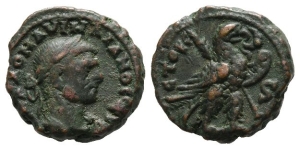
Aurelian BI Tetradrachm of Alexandria, Egypt. AD 270-275.
Sold for (Inc. bp): £26
Dated RY 6 (AD 274/5). [Α] Κ Λ ΔΟΜ ΑΥΡΗΛΙΑΝΟϹ ϹЄΒ, laureate and cuirassed bust to right, seen from front / Eagle standing to right, wings closed, holding wreath in beak; behind, palm frond; ЄTOVC ς (date) around. RPC X Unassigned ID 75743; Köln 3095; Dattari (Savio) 5488; K&G 106.55; Emmett 3927.6. 6.85gr, 20mm, 11h.
Very Fine.
From the collection of a gentleman, acquired on the London art market in the 1990s. -
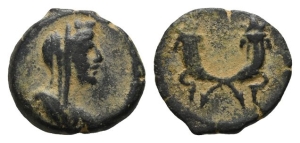
Decapolis, Petra AE 13mm. Time of Hadrian, AD 117-138.
Sold for (Inc. bp): £20
Pseudo-autonomous issue. Turreted, veiled, and draped bust of Tyche to right / Crossed cornucopiae. RPC III, 4098B; Sofaer 1. 1.41gr, 13mm, 6h.
Very Fine.
From the collection of a gentleman, acquired on the London art market in the 1990s. -
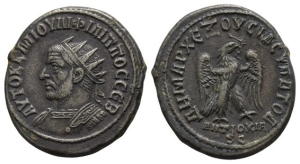
Philip I BI Tetradrachm of Antioch, Seleucis and Pieria. AD 244-249.
Sold for (Inc. bp): £46
Dated RY 4 (AD 248). ΑΥΤΟΚ Κ Μ ΙΟΥΛΙ ΦΙΛΙΠΠΟC CЄΒ, radiate and cuirassed bust to left, seen from front / ΔΗΜΑΡΧ ЄΞΟΥCΙΑC ΥΠΑ ΤΟ Δ, eagle standing to right, with wings spread, holding wreath in beak; ANTIOXIA S C in two lines below. RPC VIII Online Unassigned ID 29019; McAlee 953c; Prieur 432. 12.82gr, 28mm, 12h.
Good Very Fine.
Acquired in the mid 1980s-1990s. Private collection, Switzerland, thence by descent. Private collection, since the late 1990s.
