
Loading, please wait...
LOT 2001
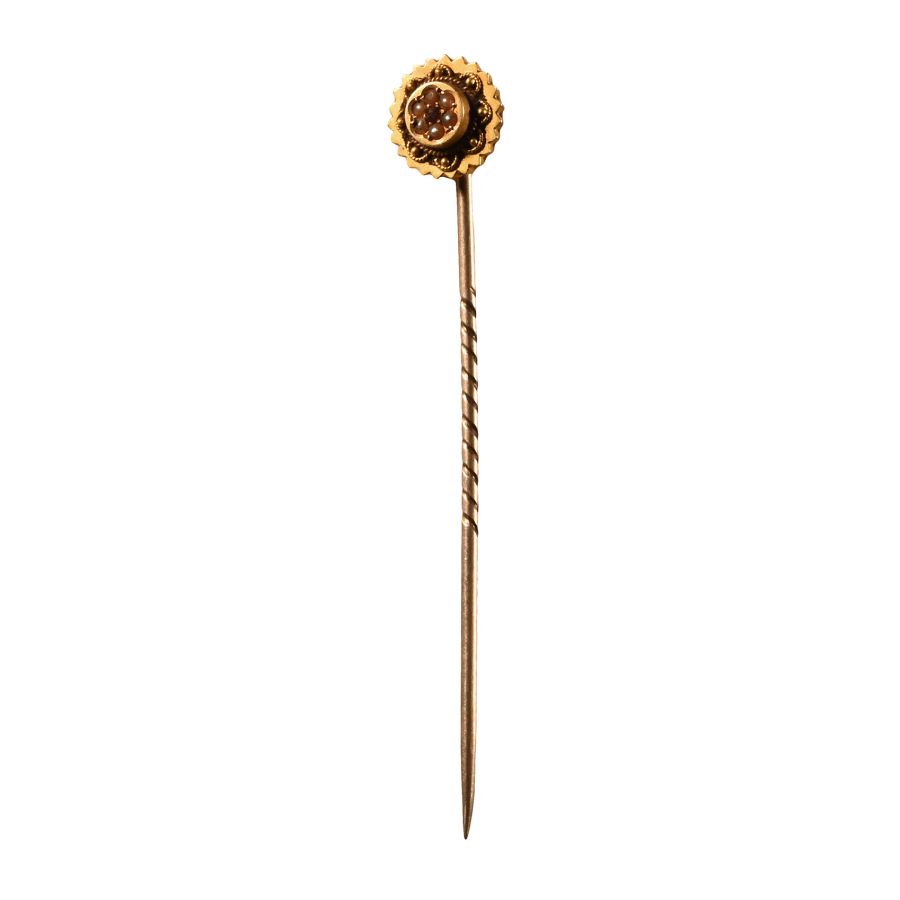
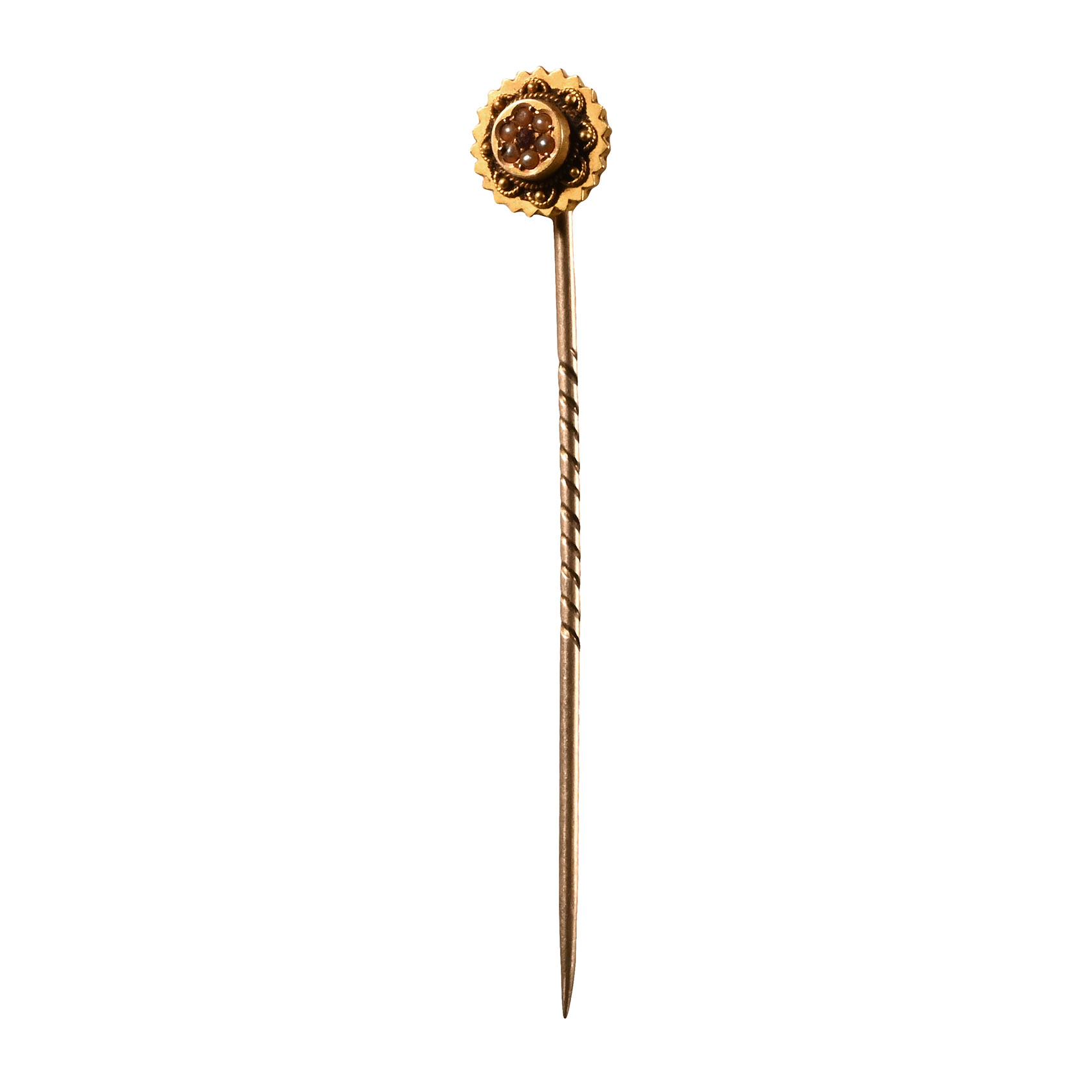
Tie Pin with Gold Finial with Pearls
MID 20TH CENTURY A.D.
2 3/8 in. (1.66 grams, 61.5 mm).
Comprising a slender shank with incised running spiral. perpendicular mounted disc with dentilled rim, and central boss, canetille filigree floral detailing, inset seed pearls and central ruby cabochon; stamped to reverse '15 CT'. [No Reserve]
ProvenanceAcquired on the UK art market.
Property of an Essex, UK, gentleman.
TimeLine Auctions follows a vetting process to ensure the authenticity and legality of all items, reinforcing our commitment to integrity and responsible trading. Each antiquity, antique, and coin lot undergoes thorough examination by a vetting committee of at least ten external specialists, professional trade association members, scientists, and archaeologists: Our Vetting Process
AUCTIONS:
TimeLine is a leading auction house specialising in antiquities, ancient art, collectables, natural history, coins, medals, and books. Our auctions offer museums, collectors, historians, and enthusiasts the opportunity to acquire unique and historically significant pieces.
-
Tudor Period Bronze Armorial Ring
16th-17th century A.D.Sold for (Inc. bp): £65
With discoid bezel, ropework border, central square with crescent motifs, surrounding fronds in imitation of heraldic design. 4.63 grams, 23.47 mm overall, 20.05 mm internal diameter (approximate size British U 1/2, USA 10 1/4, Europe 23.15, Japan 22)
Private collection formed since the 1940s. UK art market. Property of an Essex, UK, gentleman. -
.jpg)
Lapis Lazuli Bead Necklace
20th century A.D.Sold for (Inc. bp): £7
Composed of coin-shaped beads with a hook-and-eye clasp. 104 grams, 44 cm long
UK gallery, early 2000s. -
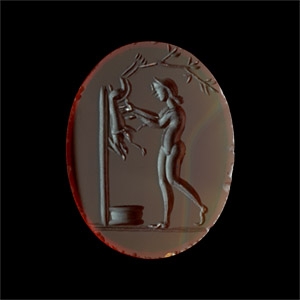
Neoclassical Carnelian Gemstone with Naked Goddess
18th-19th century A.D.Sold for (Inc. bp): £247
Ellipsoid panel with nude female supporting an inverted dog over a libation bowl, frond above; supplied with a museum-quality impression. 1.47 grams, 25 mm
Private collection, England.
