
Loading, please wait...
LOT 2044
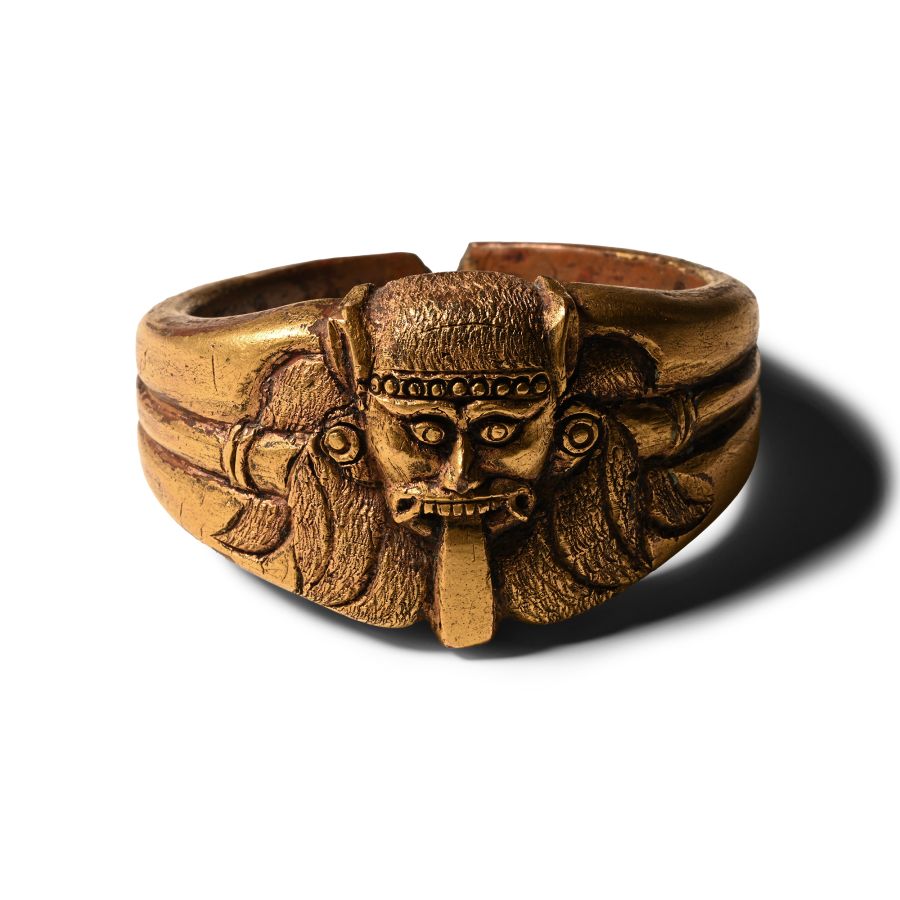
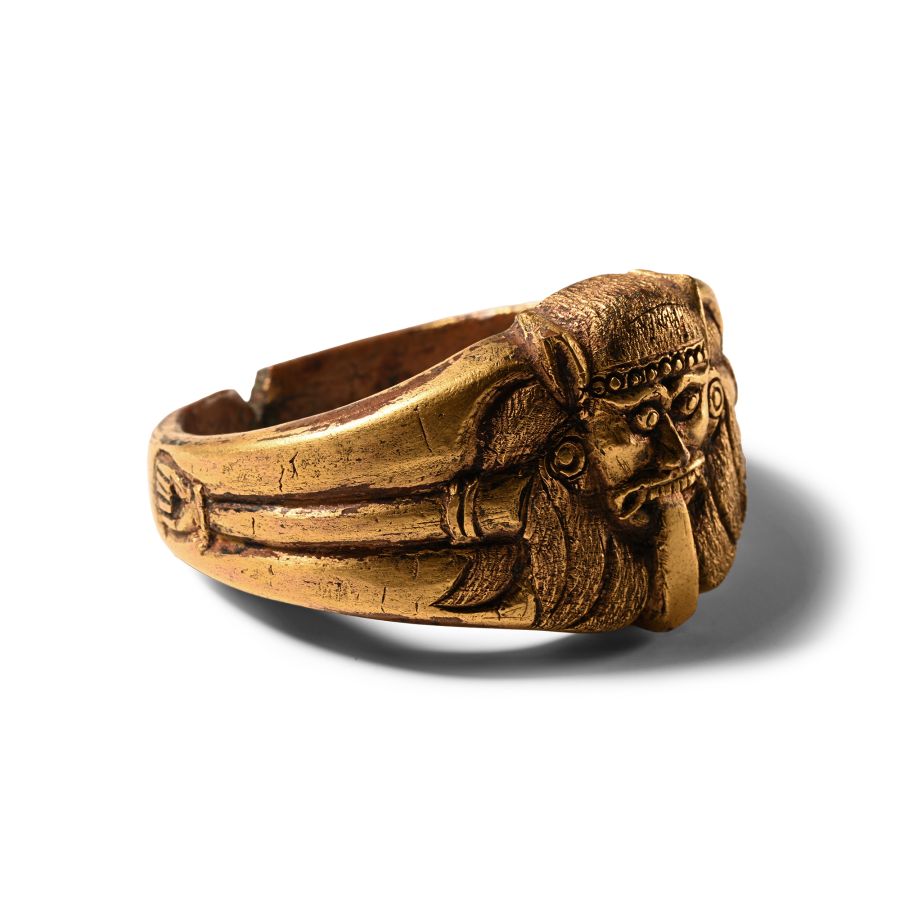
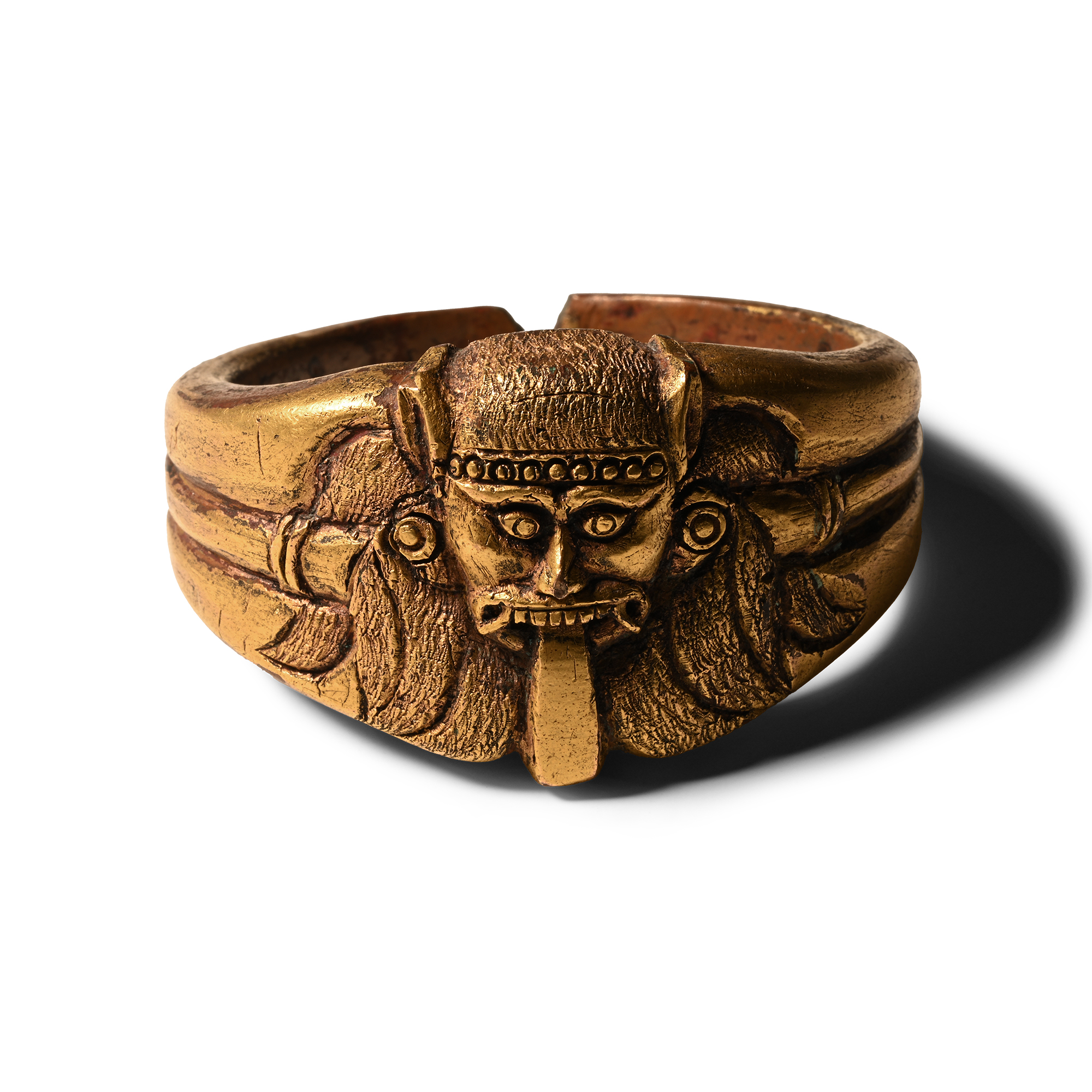
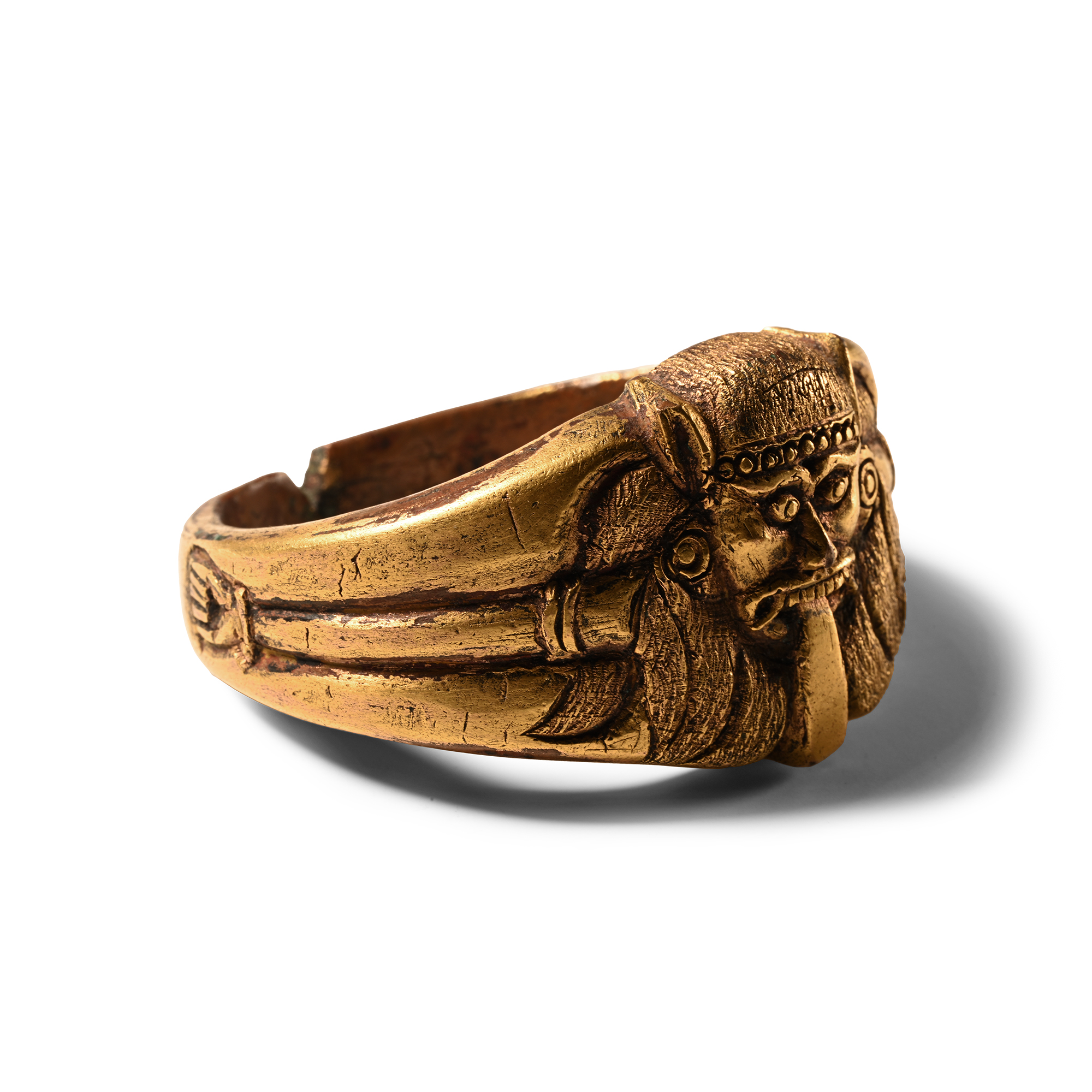
Tibetan Gilt Bronze Bracelet with Demon
CIRCA 18TH-19TH CENTURY A.D.
2 1/2 in. (191 grams, 65 mm).
Penannular in plan, facing mask with pelletted band to brow, open mouth with fangs and long extended tongue. [No Reserve]
ProvenanceEx Summer Fine Art & Antiques, 18 July 2015.
Property of a French collector.
TimeLine Auctions follows a vetting process to ensure the authenticity and legality of all items, reinforcing our commitment to integrity and responsible trading. Each antiquity, antique, and coin lot undergoes thorough examination by a vetting committee of at least ten external specialists, professional trade association members, scientists, and archaeologists: Our Vetting Process
AUCTIONS:
TimeLine is a leading auction house specialising in antiquities, ancient art, collectables, natural history, coins, medals, and books. Our auctions offer museums, collectors, historians, and enthusiasts the opportunity to acquire unique and historically significant pieces.
-
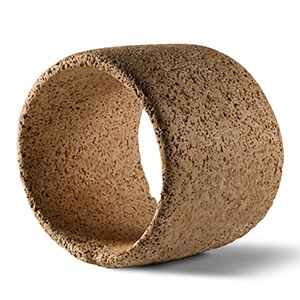
Chinese Stone Bracelet
Neolithic Period, circa 3rd millennium B.C.Sold for (Inc. bp): £98
Broad carved bangle with rounded rims. 270 grams, 83 mm wide
From a collection acquired on the UK art market from various auction houses and collections mostly before 2000. From an important Cambridgeshire estate; thence by descent. -
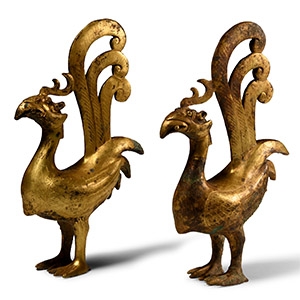
Chinese Qing Gilt Bronze Phoenix Attachment Pair
Qing Dynasty, 1644-1911 A.DSold for (Inc. bp): £585
Matched hollow-formed pair, each a standing fenghuang with curved beak, feather detailing to the wings, long swept tail feathers ending in curls. 1.69 kg total, 22.7 -23 cm
Acquired UK, in the 1980s. Property of a retired South West London doctor. -
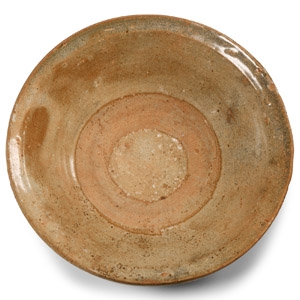
Chinese Tang Glazed Terracotta Dish
Tang Dynasty, 618-907 A.D. or laterSold for (Inc. bp): £39
Of broad stepped profile with flared rim, basal ring. 280 grams, 16 cm wide
Ex West Country, UK, collection, 1980-1990s.
