
Loading, please wait...
LOT 1995
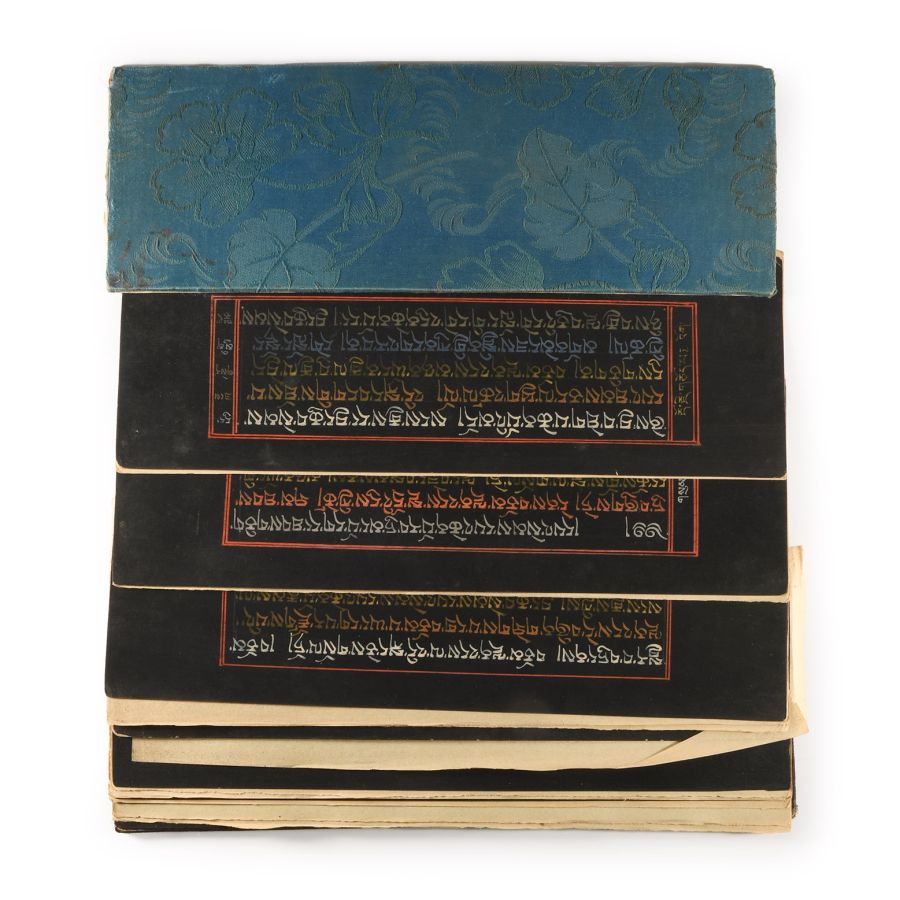
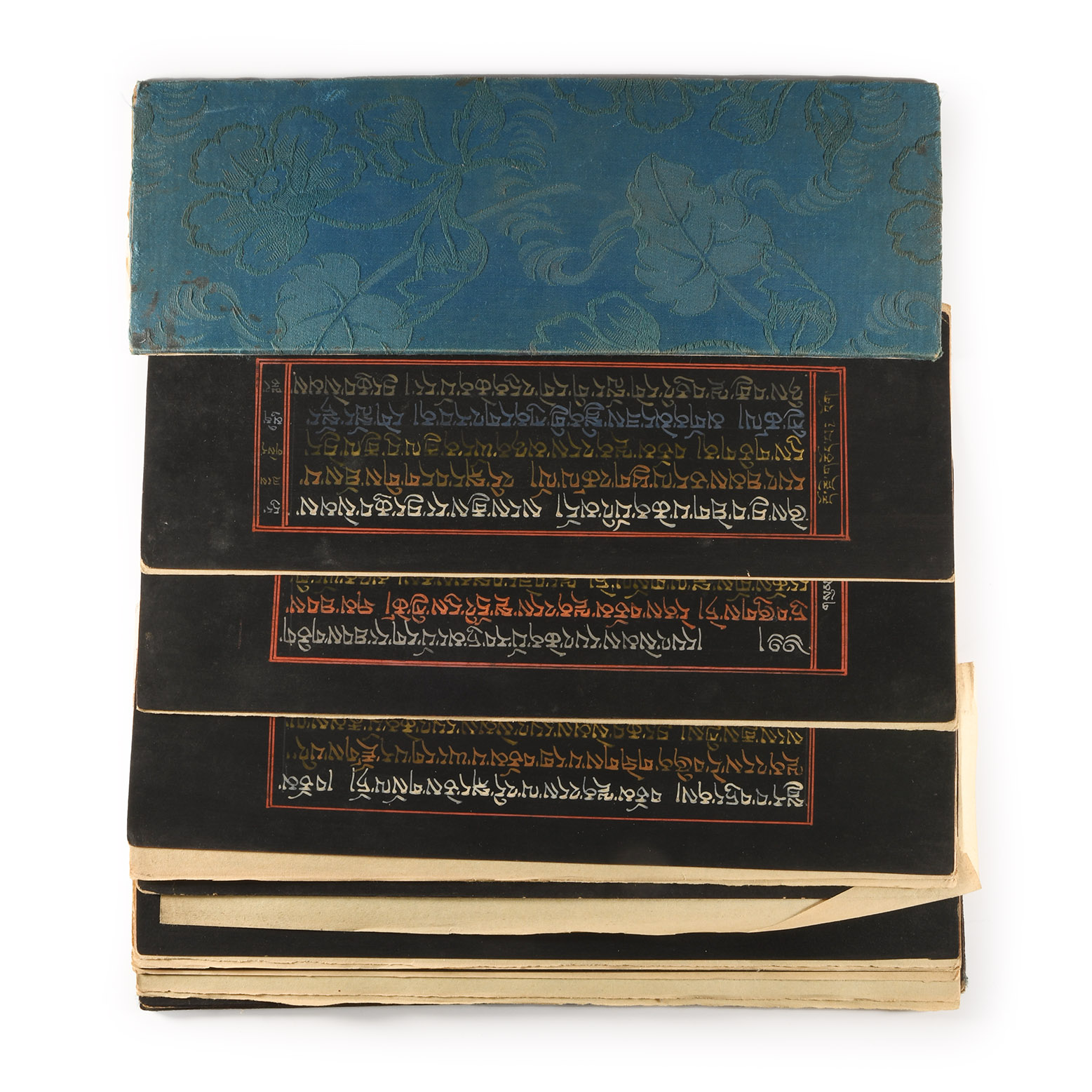
Tibetan Book of Sutras
19TH CENTURY A.D.
4 x 11 7/8 in. (275 grams, 10.3 x 30.2 cm).
With silk-covered boards, thirteen loose leaves of calligraphic script with paper interliners. [No Reserve]
ProvenanceEx Cummings collection, UK, 1990s.
CONDITIONTimeLine Auctions follows a vetting process to ensure the authenticity and legality of all items, reinforcing our commitment to integrity and responsible trading. Each antiquity, antique, and coin lot undergoes thorough examination by a vetting committee of at least ten external specialists, professional trade association members, scientists, and archaeologists: Our Vetting Process
AUCTIONS:
TimeLine is a leading auction house specialising in antiquities, ancient art, collectables, natural history, coins, medals, and books. Our auctions offer museums, collectors, historians, and enthusiasts the opportunity to acquire unique and historically significant pieces.
-
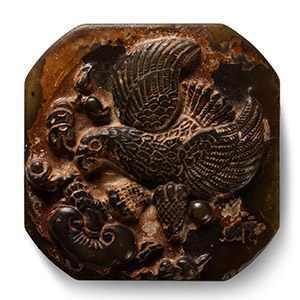
Chinese Tang Agate Seal for Emperor Taizong
Tang Dynasty, 618-906 A.D. or laterSold for (Inc. bp): £1,300
Octagonal in plan with high-relief eagle in flight holding lingzhi fungi in the beak; to the underside, the four-character seal of Emperor Taizong bearing his personal name 'Li Shimin'. 123 grams, 50 mm
Property of a Middlesex lady. From the private collection of a Lancashire gentleman.
Taizong was the second Emperor of the Tang Dynasty, ruling from 626 to 649 AD. His reign was characterised by reform and the adoption of logical rather than superstitious reasoning. Dr Bonewitz notes: 'The seal is partially encrusted with very hard caliche (or calcrete) which takes a long period to develop, possibly over many centuries.' -
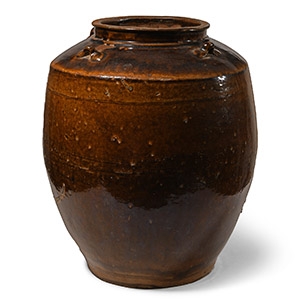
Large Chinese Provincial Glazed Storage Jar
17th-19th century A.D.Sold for (Inc. bp): £216
With rich chocolate-brown glaze, drum-shaped with carinated shoulder and broad mouth; four applied loops to the shoulder. 5.65 kg, 40 cm high
with a London, UK gallery 1971. -
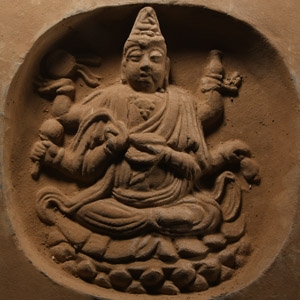
Chinese Song Terracotta Tile
Song Dynasty, circa 960-1279 A.D.Sold for (Inc. bp): £117
Rectangular tile with round recess, reserved high-relief carving of the Bodhisattva Avalokiteshvara, facing with four arms raised holding attribuites. 4.86 kg, 28.5 x 28.5 cm
Ex Cotswold collection, UK, 1990s.
