
Loading, please wait...
LOT 0099
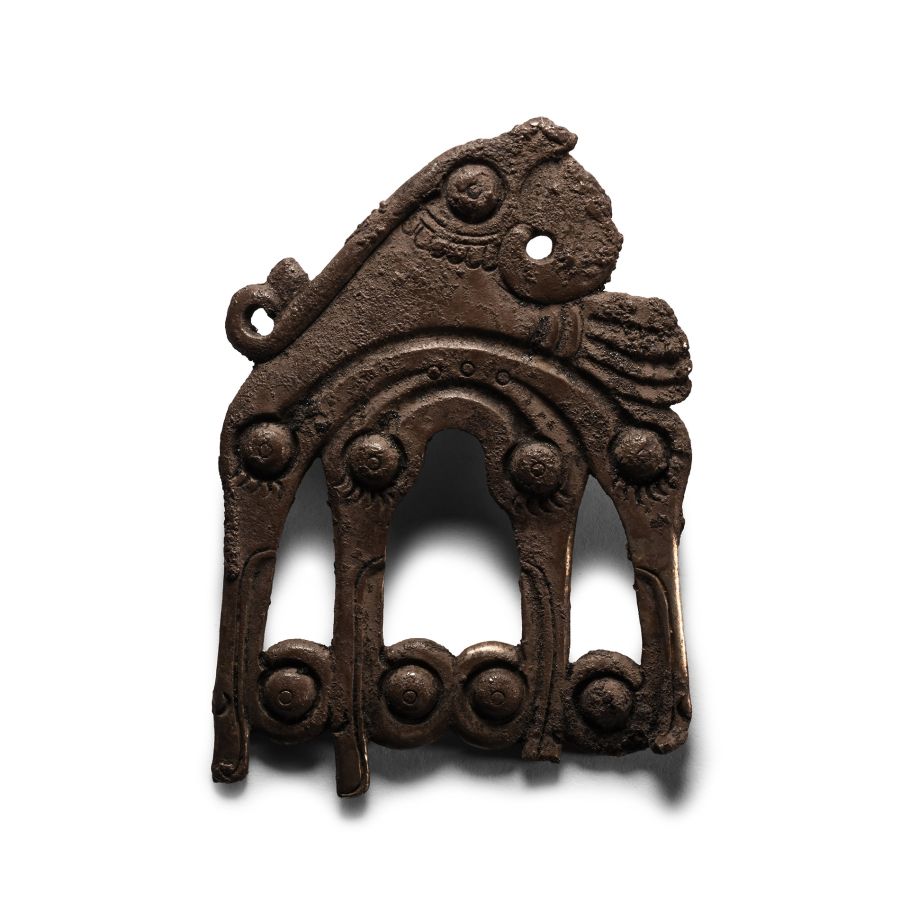
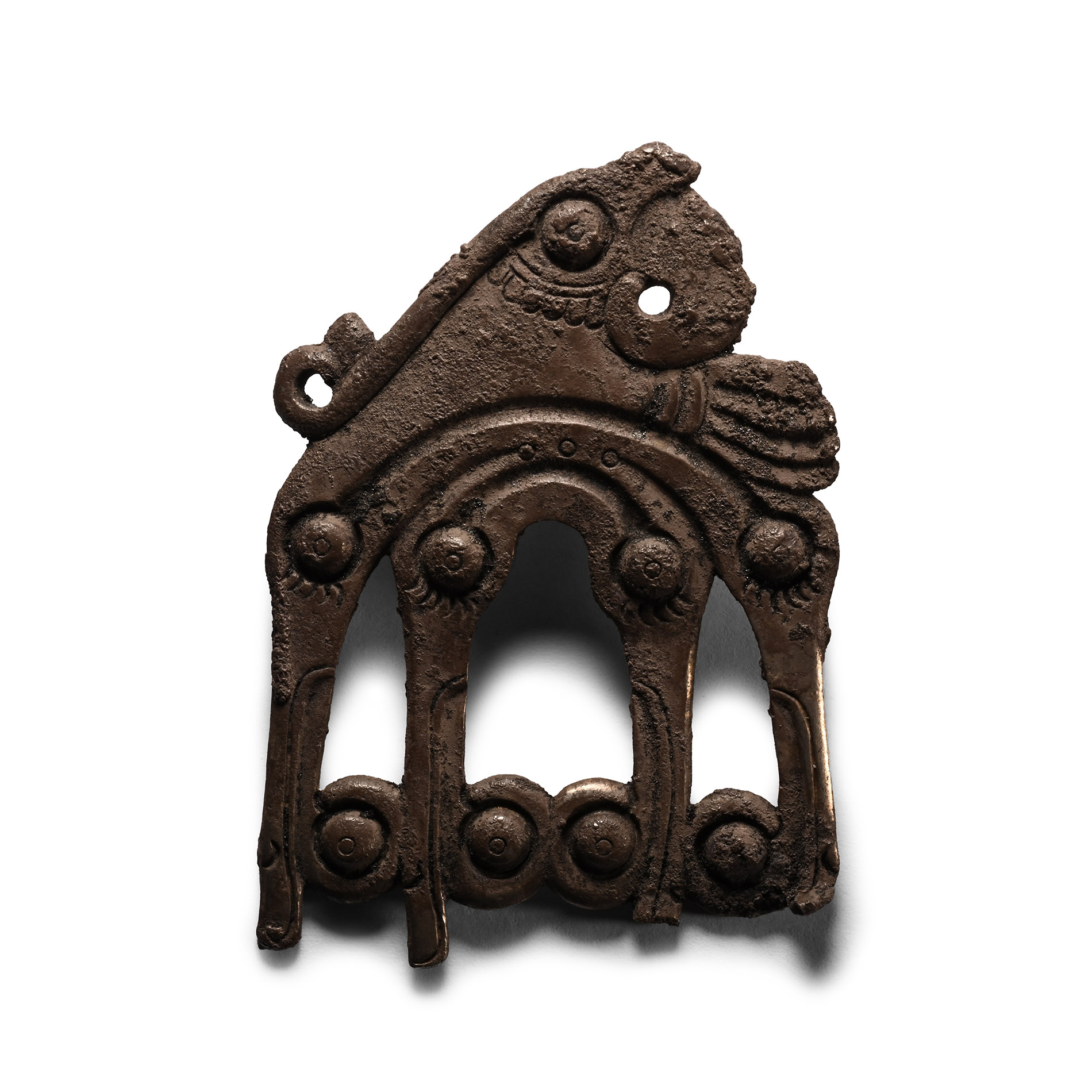
Thracian Silver Pendant
6TH-3RD CENTURY B.C.
3 in. (41.5 grams, 75 mm).
Openwork plaque depicting a stylised horse with curved body, bosses to the hips and shoulders, head turned backwards along the spine with looped reins; ribbed loop to the reverse.
ProvenanceAcquired in the mid 1980s-1990s.
From the family collection of Mr S.A., Switzerland, thence by descent.
Private collection since the late 1990s.
TimeLine Auctions follows a vetting process to ensure the authenticity and legality of all items, reinforcing our commitment to integrity and responsible trading. Each antiquity, antique, and coin lot undergoes thorough examination by a vetting committee of at least ten external specialists, professional trade association members, scientists, and archaeologists: Our Vetting Process
AUCTIONS:
TimeLine is a leading auction house specialising in antiquities, ancient art, collectables, natural history, coins, medals, and books. Our auctions offer museums, collectors, historians, and enthusiasts the opportunity to acquire unique and historically significant pieces.
LOT 0099
Thracian Silver Pendant
Estimate £500 - 700€580 - 810 (for guidance only)$680 - 950 (for guidance only)
-
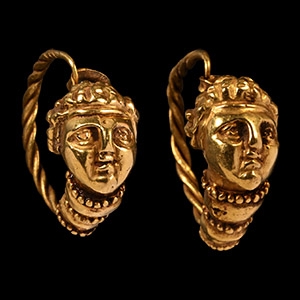
Greek Gold Earrings with Female Heads
Hellenistic, 2nd-1st century B.C.Estimate: £1,500 - 2,000 (+bp*)
Opening Bid: £750
Each a hollow-formed female head with stephane to the brow, granulated collars flanking biconvex bulbs, tapering twisted shank curved to meet the gussetted loop above the head. 5.93 grams total, 25-28 mm
From the collection of a gentleman, acquired on the London art market in the 1990s. -
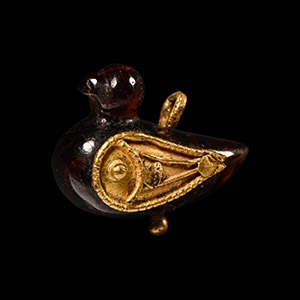
Greek Garnet and Gold Bird Pendant
4th-3rd century B.C.Sold for (Inc. bp): £468
Comprising a carved garnet model bird with applied old wings decorated with beaded wire and granules, gold loop above and stud beneath. 2.77 grams, 15 mm
Ex German art market, 2000s. Acquired from an EU collector living in London. From the collection of Surrey, UK, gentleman. -
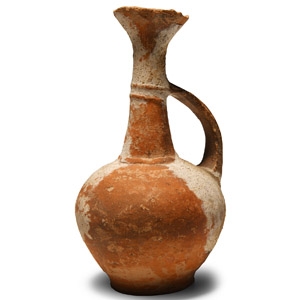
Cypriot Poppy Head Flask
Circa 1450-1200 B.C.Sold for (Inc. bp): £182
With broad shoulder and tapering stem, flared neck, collars at the junction with the strap handle. 53 grams, 11 cm high
From the collection of a late East Anglian teacher and antiquarian who retired to the Isle of Wight in Hampshire, UK. He amassed a large collection of objects between the 1960s-1980s.
