
Loading, please wait...
LOT 1934
The Royal Navy's First Invincible Shipwreck Gun Flint Pair
1758 A.D.
1 1/2 in. (27 grams total, 37-38 mm).
Comprising two tongue-shaped flints. [2, No Reserve]
ProvenanceFrom the private collection of author and historian Dr DeWitt Bailey, one of the global authorities on the confederate army in the US civil war; thence by descent to his grandson.
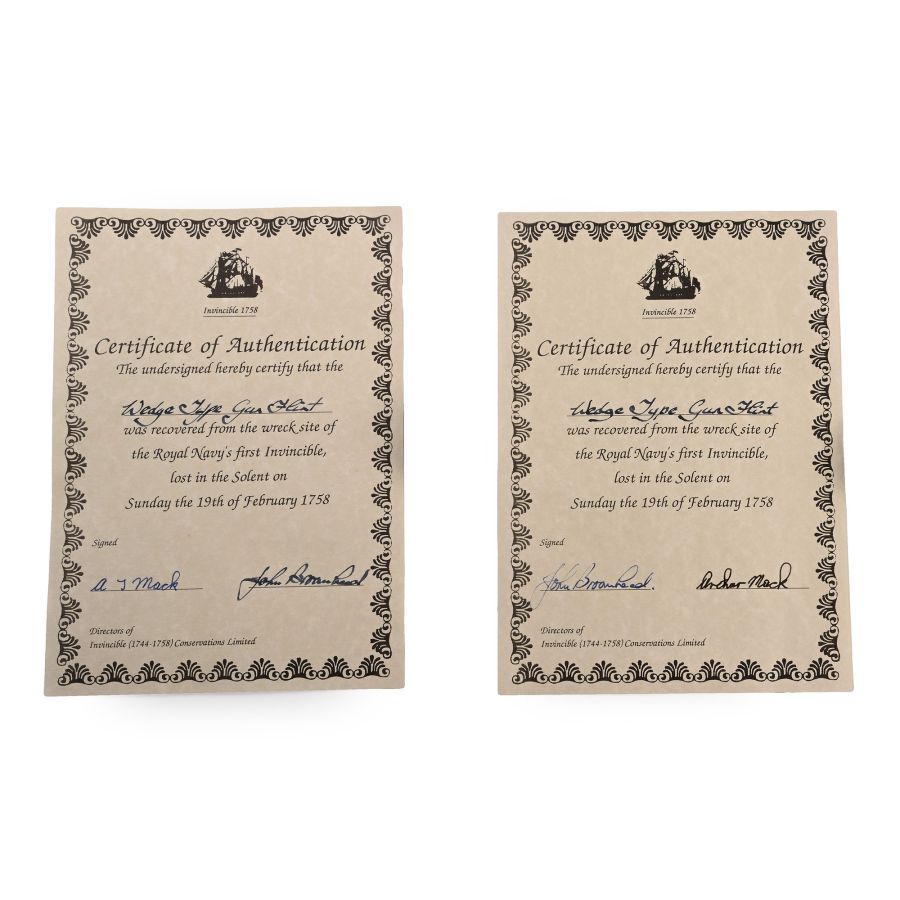
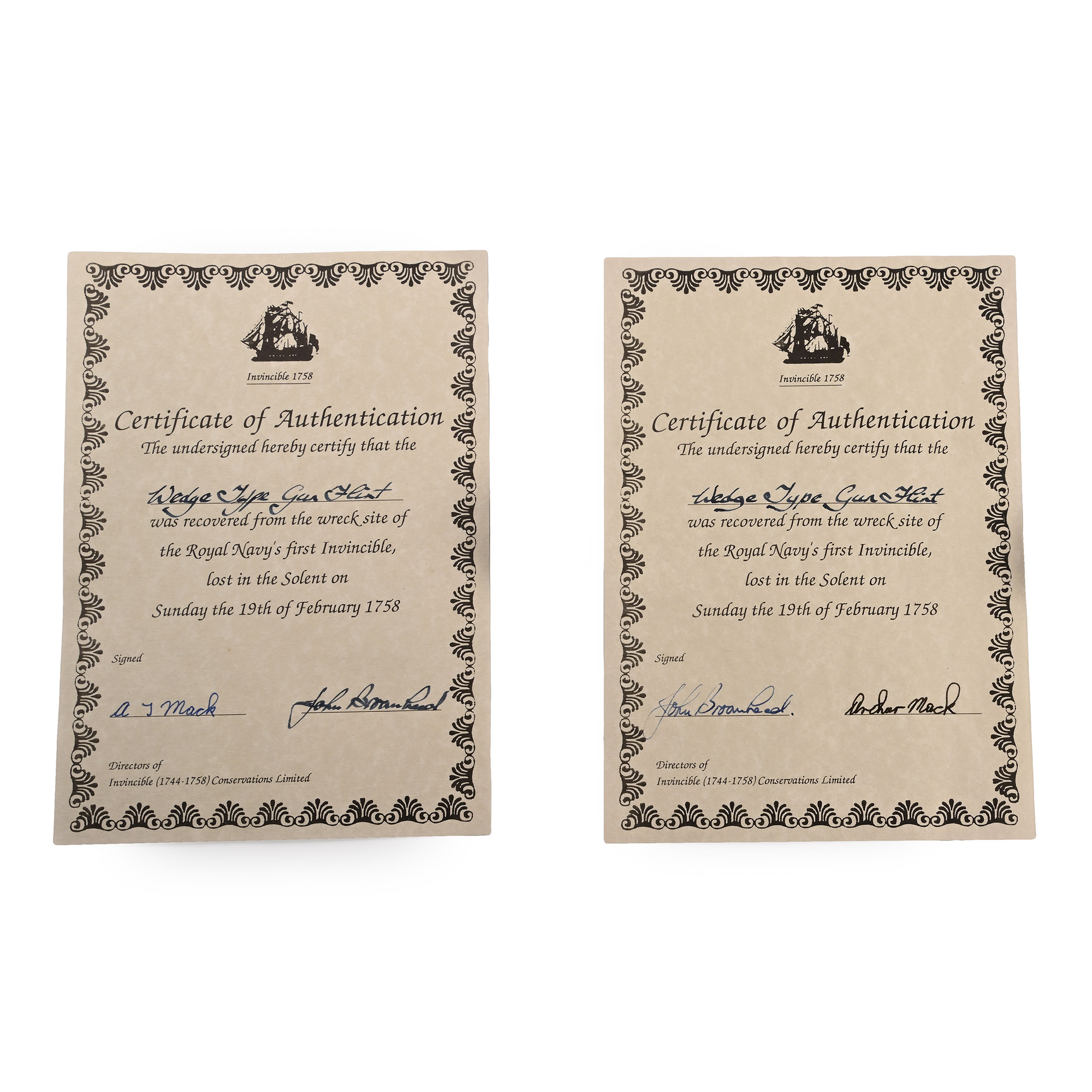
Accompanied by certificates of authenticity and other information.
TimeLine Auctions follows a vetting process to ensure the authenticity and legality of all items, reinforcing our commitment to integrity and responsible trading. Each antiquity, antique, and coin lot undergoes thorough examination by a vetting committee of at least ten external specialists, professional trade association members, scientists, and archaeologists: Our Vetting Process
AUCTIONS:
TimeLine is a leading auction house specialising in antiquities, ancient art, collectables, natural history, coins, medals, and books. Our auctions offer museums, collectors, historians, and enthusiasts the opportunity to acquire unique and historically significant pieces.
LOT 1934
The Royal Navy's First Invincible Shipwreck Gun Flint Pair
Sold for (Inc. bp): £13
-
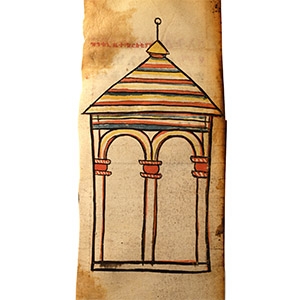
Ethiopian Painted Parchment of the Miracles of Mary
Circa 1650 A.D.Sold for (Inc. bp): £195
Rectangular vellum fragment with painted architectural image to obverse with single caption; six lines of Ge'ez script to reverse. 7 grams, 29.9 cm
Collection of David Buxton (1910-2003), author of 'Travels in Ethiopia', 1949. -
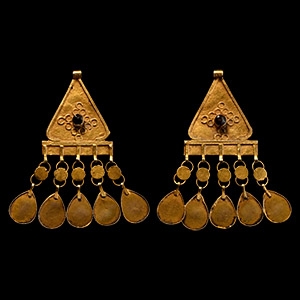
Roman Style Gold Earring Pair with Garnets
20th century A.D.Estimate: £300 - 400 (+bp*)
Opening Bid: £150
Each a triangular plaque with filigree border, central cell with inset garnet cabochon surrounded by applied filigree annulets, transverse bar below with discoid dangles. 4.04 grams total, 49 mm
with Archaeologia, Switzerland, before 1983. Ex private North American collection. London private collection, 2016. -
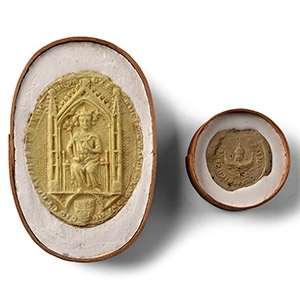
Seal Matrix Casting Group
19th century A.D.Sold for (Inc. bp): £72
Comprising: two castings from moulds taken from a medieval seal, possibly of Edward I, set in plaster in a wooden frame: the smaller with a facing mask in a boat surmounted by a cross, the larger with a seated figure holding orb and sceptre within a lancet arch with a heater shield below. 165 grams total, 34-79 mm
From the collection of a West London, UK, collector.
