
Loading, please wait...
LOT 2062
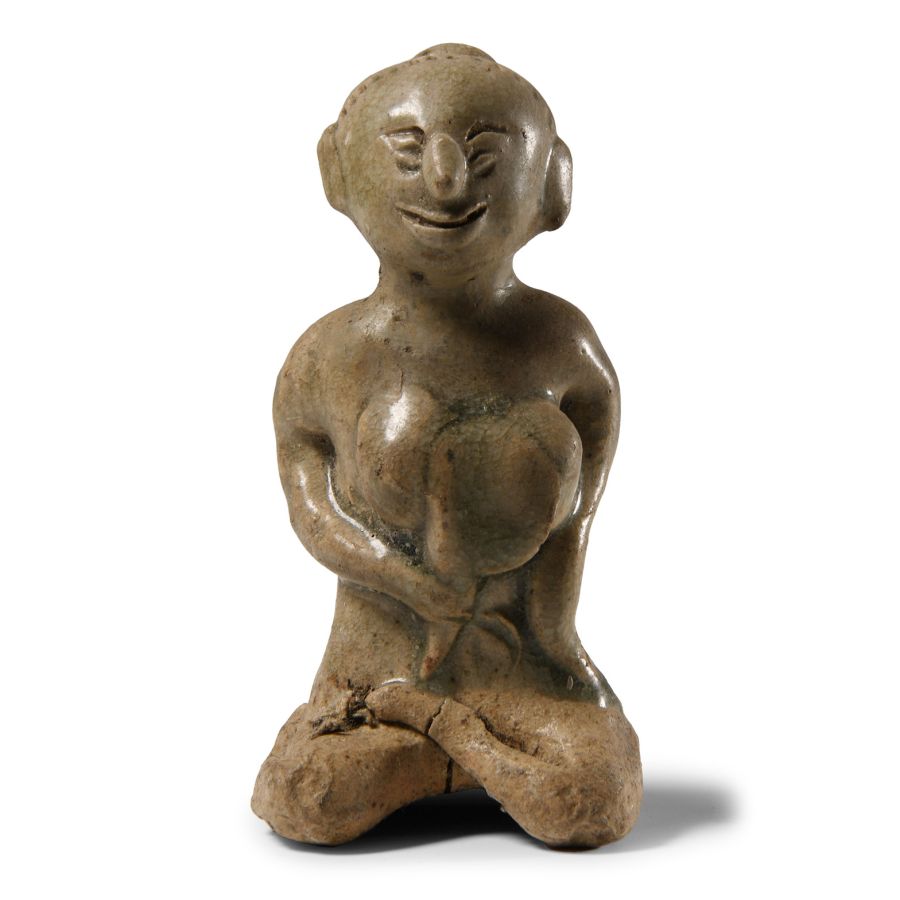
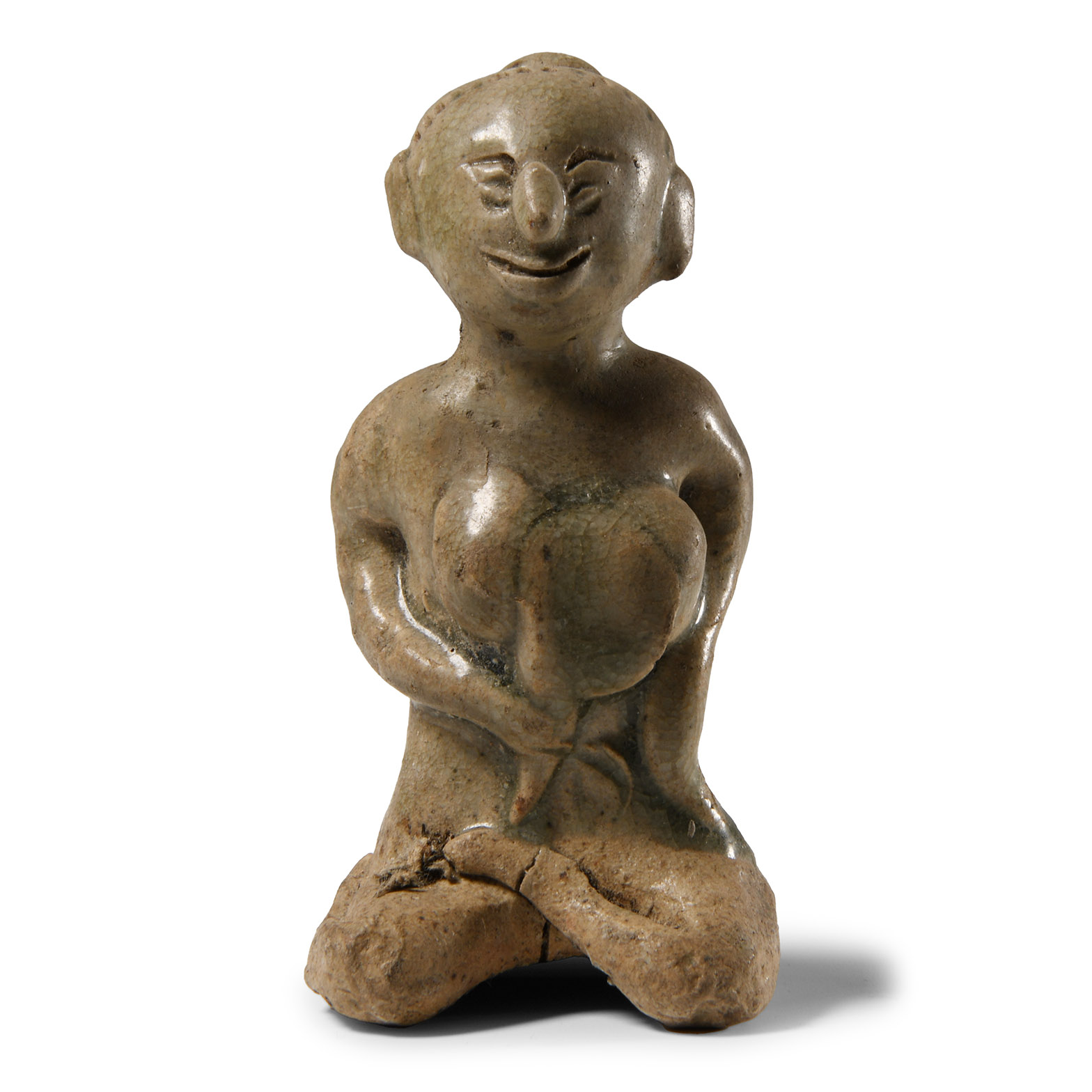
Thai Green-Glazed Mother and Child Figurine
14TH-16TH CENTURY A.D.
4 in. (134 grams, 10 cm).
Of a nude seated female with bun to the back of the head, suckling a baby. [No Reserve]
ProvenanceFrom a collection acquired on the UK art market from various auction houses and collections mostly before 2000.
From an important Cambridgeshire estate; thence by descent.
TimeLine Auctions follows a vetting process to ensure the authenticity and legality of all items, reinforcing our commitment to integrity and responsible trading. Each antiquity, antique, and coin lot undergoes thorough examination by a vetting committee of at least ten external specialists, professional trade association members, scientists, and archaeologists: Our Vetting Process
AUCTIONS:
TimeLine is a leading auction house specialising in antiquities, ancient art, collectables, natural history, coins, medals, and books. Our auctions offer museums, collectors, historians, and enthusiasts the opportunity to acquire unique and historically significant pieces.
-
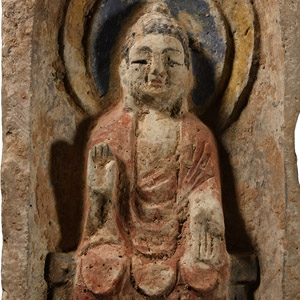
Chinese Northern Wei Painted Buddha Brick
Northern Wei Dynasty, 386-534 A.D.Sold for (Inc. bp): £182
Rectangular with arched recessed niche enclosing a standing robed Buddha figure in high-relief, hands in the gesture of reassurance. 3.22 kg, 33 cm
Ex Hong Kong collection, 1980-1990. -
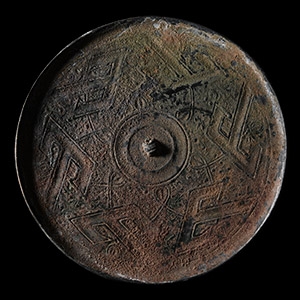
Chinese Tang Style Bronze Mirror
20th century A.D. or earlierSold for (Inc. bp): £65
Discoid mirror with dished profile, raised rim, reserved geometric 'ripple pattern' motif and central pierced lug. 747 grams, 21 cm wide
Ex Cotswolds, UK, collection, 1990s. -
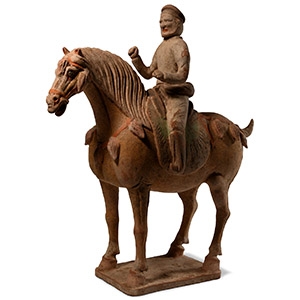
Large Chinese Tang Terracotta Horse and Rider
Tang Dynasty, 618-907 A.D.Sold for (Inc. bp): £2,470
Modelled standing on a rectangular base, wearing a harness adorned with pendants and an 'animal skin' saddlecloth; the rider modelled seated in the saddle, arms held before the body, gesturing to hold reins (absent); semi-naturalistic anatomical detailing to both figures; extensive remains of polychrome pigmentation. 3.65 kg, 41 cm high
From a West Country, UK, collection, formed in the 1990s. Accompanied by an original thermoluminescence analysis report no.C122f86 from Oxford Authentication. This lot has been checked against the Interpol Database of stolen works of art and is accompanied by search certificate number no.11703-199229.
