
LOT 3163
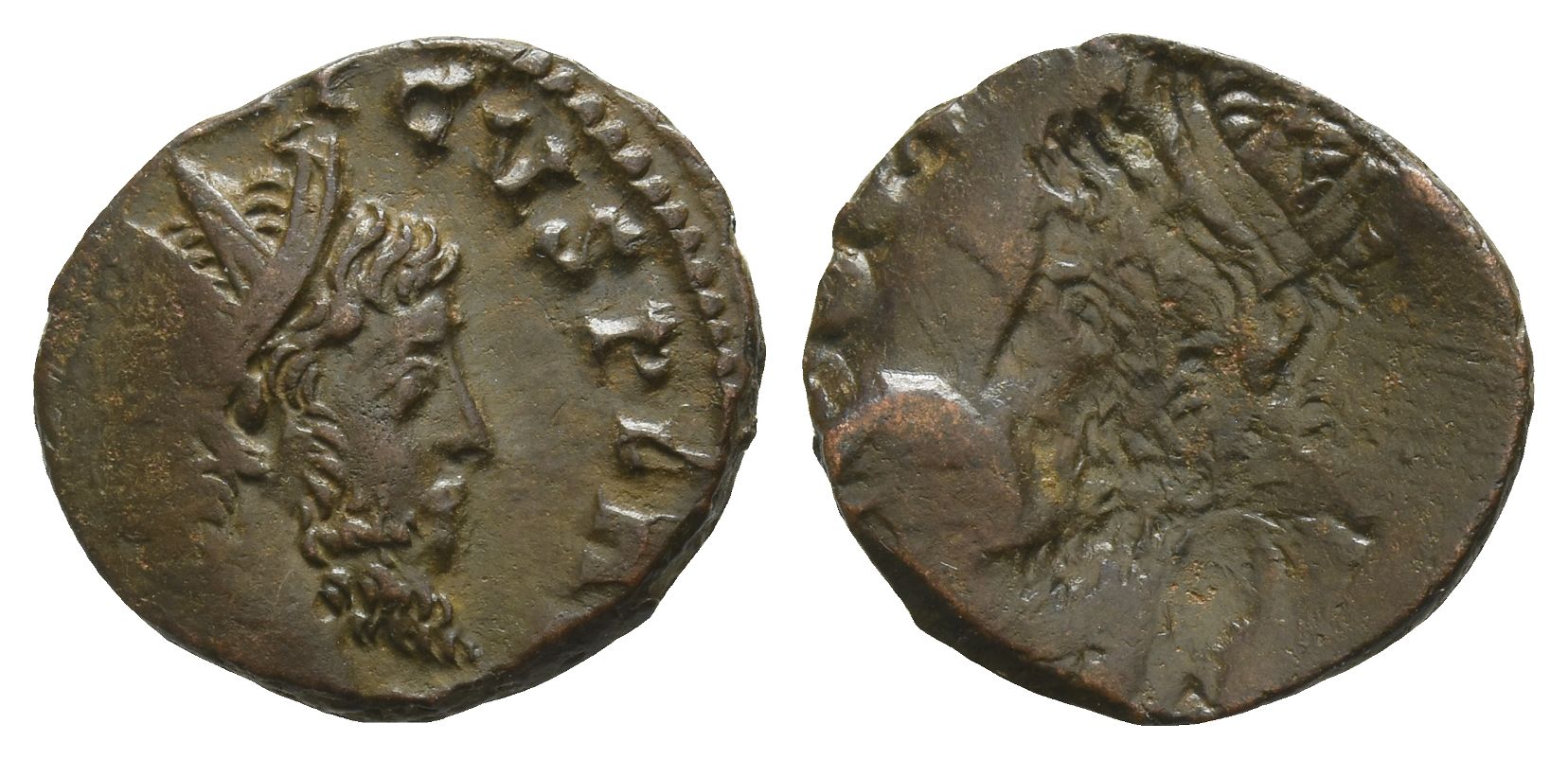
Tetricus I, Romano-Gallic Emperor BI Antoninianus. AD 271-274.
Uncertain mint. [...]CVS P F A[...], radiate bust to right / Incuse of obverse. Good Very Fine. Brockage of obverse.(1.91gr, 16mm.).
ProvenanceFrom a private, UK, collection in the 1980s.
Property of a London, UK, antiquarian.
Brockage errors are caused when an already minted coin sticks to the coin die and impresses onto another blank that hasn't been struck yet, pressing a mirror image of the other coin into the blank.
TimeLine Auctions follows a vetting process to ensure the authenticity and legality of all items, reinforcing our commitment to integrity and responsible trading. Each antiquity, antique, and coin lot undergoes thorough examination by a vetting committee of at least ten external specialists, professional trade association members, scientists, and archaeologists: Our Vetting Process
AUCTIONS:
TimeLine is a leading auction house specialising in antiquities, ancient art, collectables, natural history, coins, medals, and books. Our auctions offer museums, collectors, historians, and enthusiasts the opportunity to acquire unique and historically significant pieces.
-
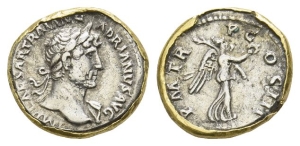
Hadrian AR Quinarius. AD 117-138.
Sold for (Inc. bp): £195
Rome mint; struck AD 120-121. IMP CAESAR TRAIAN HADRIANVS AVG, laureate bust to right with drapery on far shoulder / P M TR P COS III, Victory advancing to right holding palm and wreath. RIC II.3 331; BMCRE 223; RSC 1127. 1.86gr, 14mm, 8h.
Very Fine. Within golden pendant ring.
Ex German art market, 2000s. Acquired from an EU collector living in London. From the collection of a Surrey, UK, gentleman. -
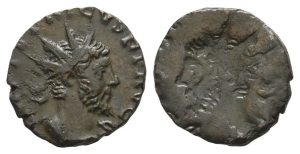
Tetricus I, Romano-Gallic Emperor BI Antoninianus. AD 271-274.
Sold for (Inc. bp): £46
Uncertain mint. IMP TETRICVS P F AVG, radiate and cuirassed bust to right / Incuse of obverse. 2.26gr, 17mm.
Very Fine. Brockage of obverse.
From a private, UK, collection in the 1980s. Property of a London, UK, antiquarian.
Brockage errors are caused when an already minted coin sticks to the coin die and impresses onto another blank that hasn't been struck yet, pressing a mirror image of the other coin into the blank. -
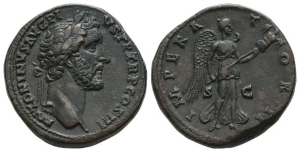
Antoninus Pius AE Sestertius. AD 138-161.
Sold for (Inc. bp): £1,170
Rome mint. Struck AD 143-144. British Victory issue. ANTONINVS AVG PIVS P P TR P COS III, laureate head to right / IMPERA-T-OR II, Victory flying to right, holding trophy in both hands; S C across field. RIC III 717a. 28.61gr, 32mm, 11h.
Near Extremely Fine. Dark green patina with earthen highlights.
Ex David Miller collection, Hertfordshire, UK, 1980s.
This coin was issued to mark the suppression of the British uprising in AD 143 by the Roman governor of Britannia, Q. Lollius Urbicus, which gave rise to the construction of the Antonine Wall, between the Firth of Clyde and the Firth of Forth.
