
Loading, please wait...
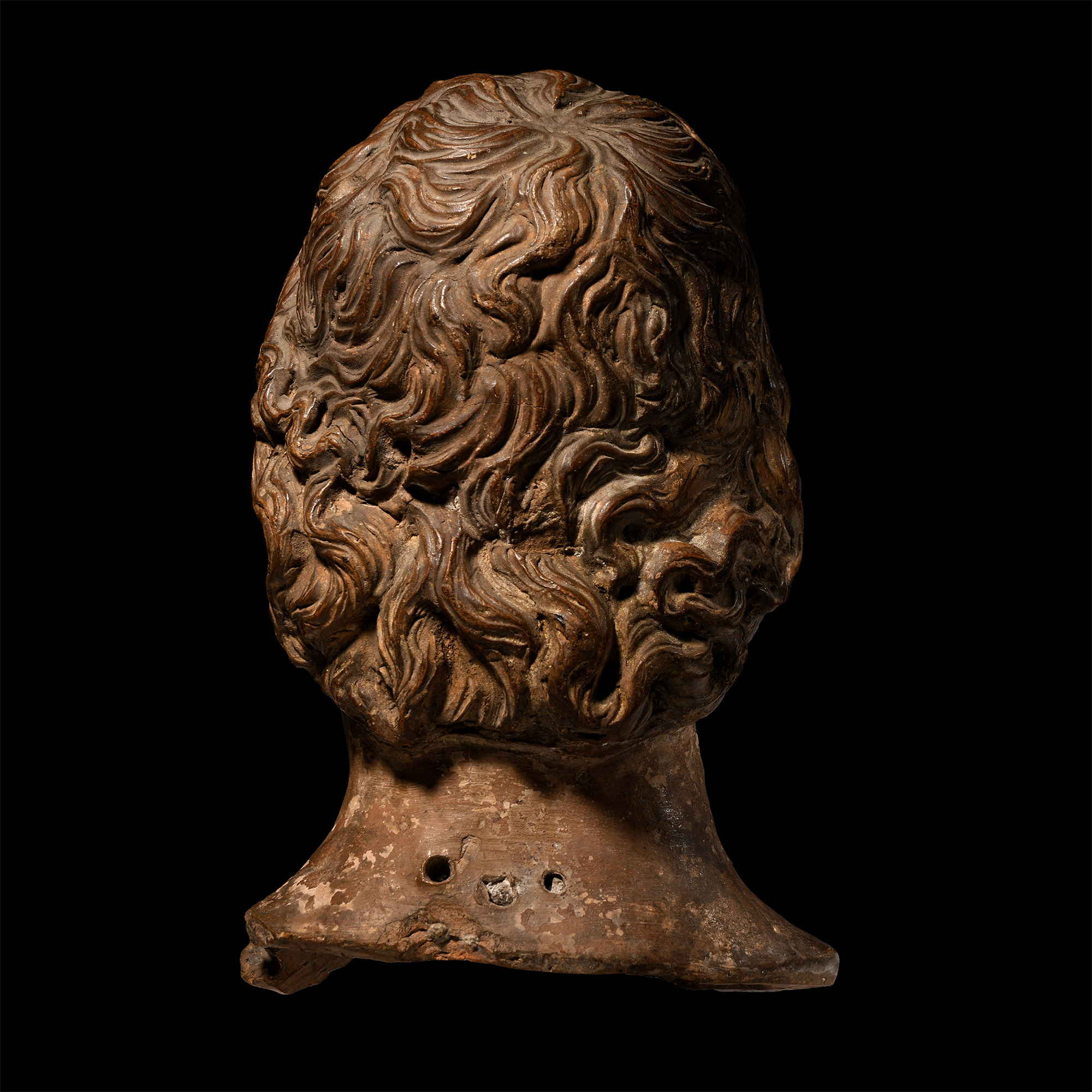
LOT 0413
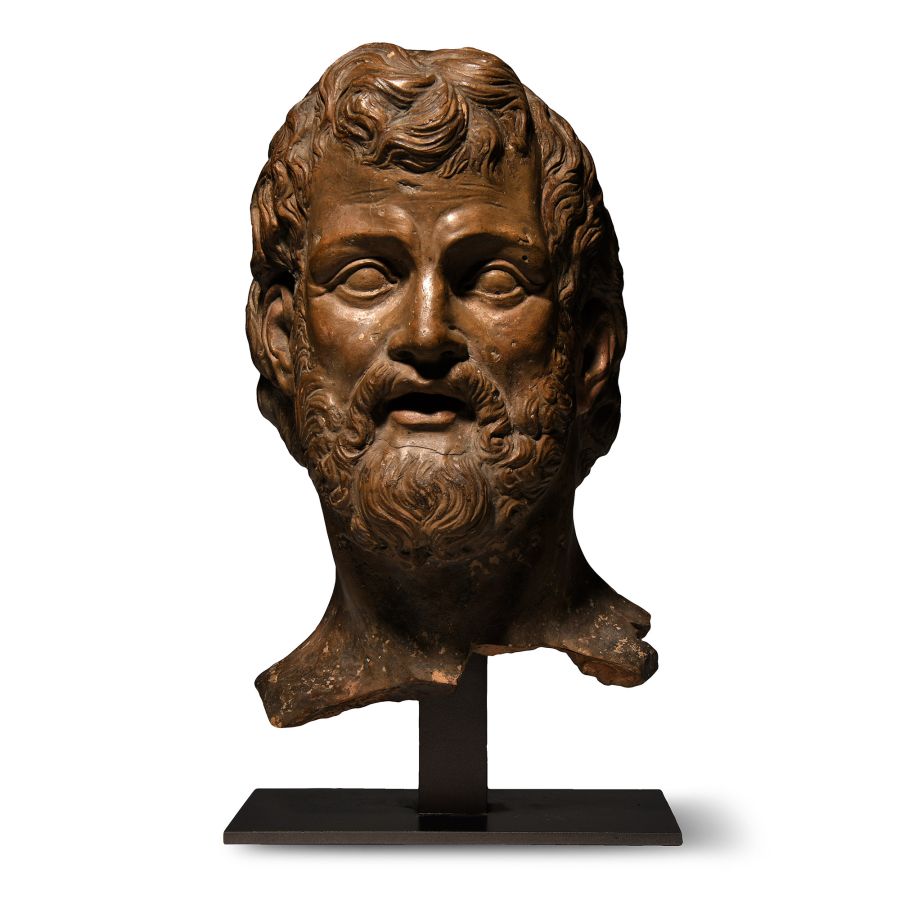
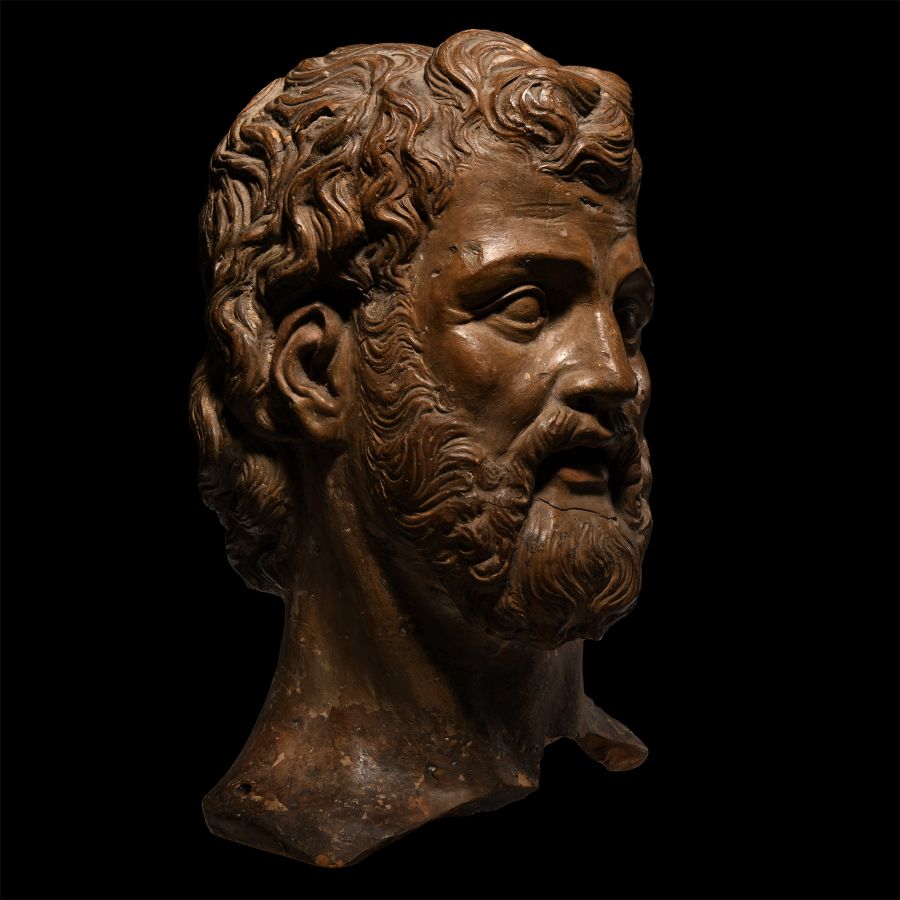
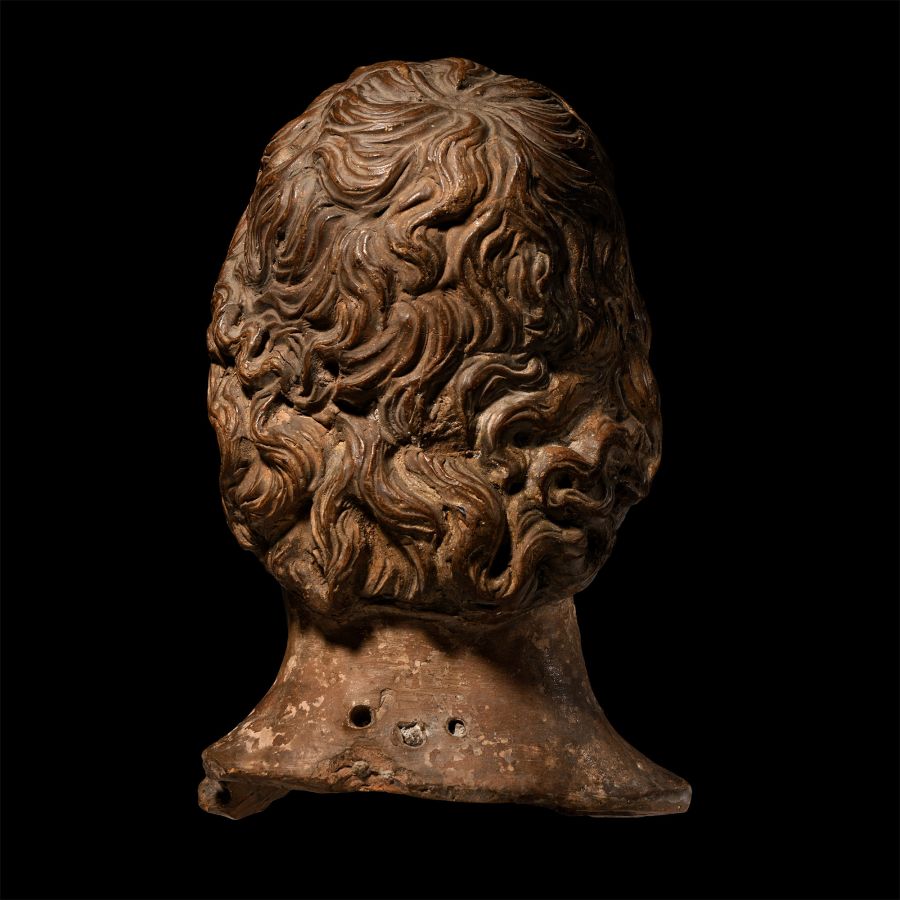
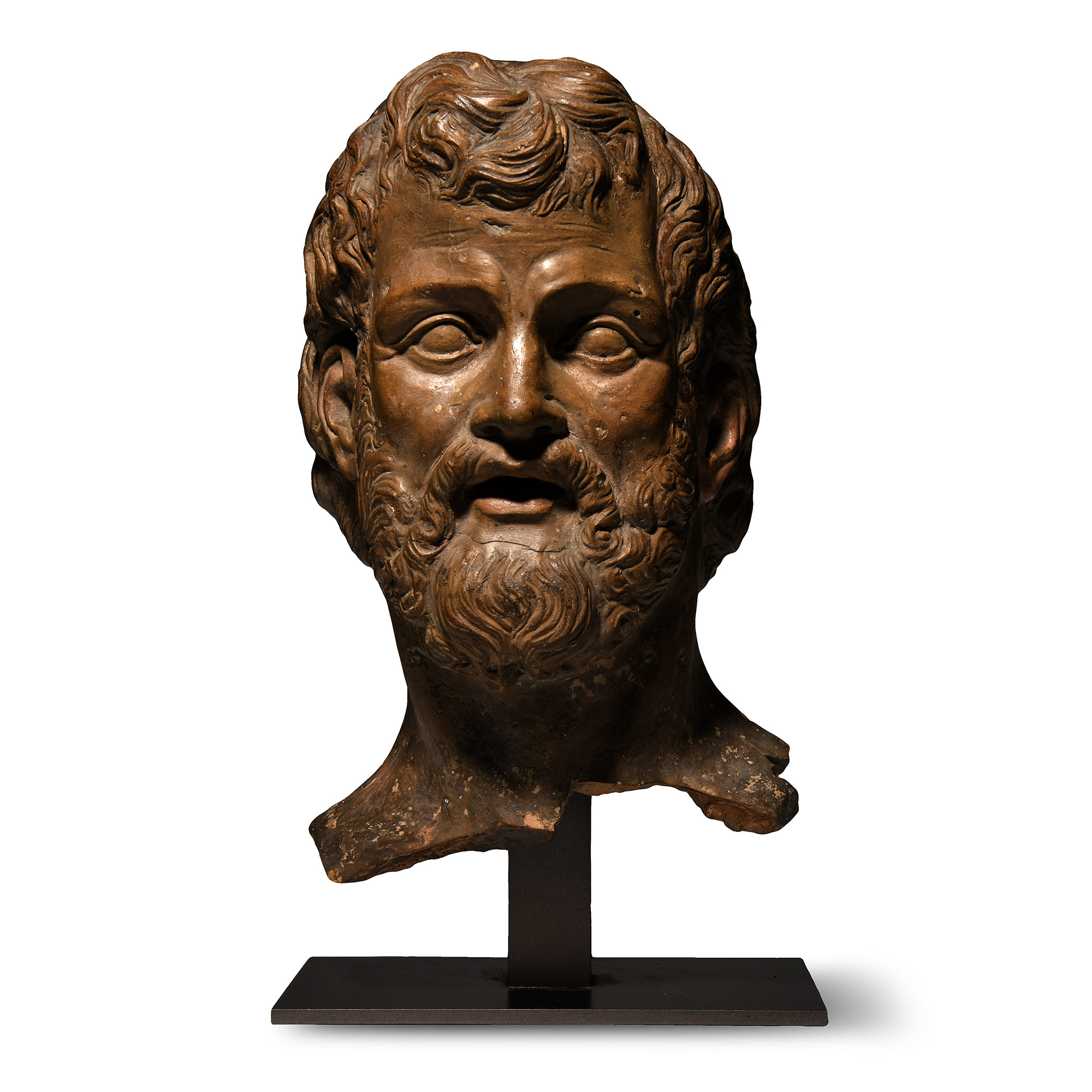
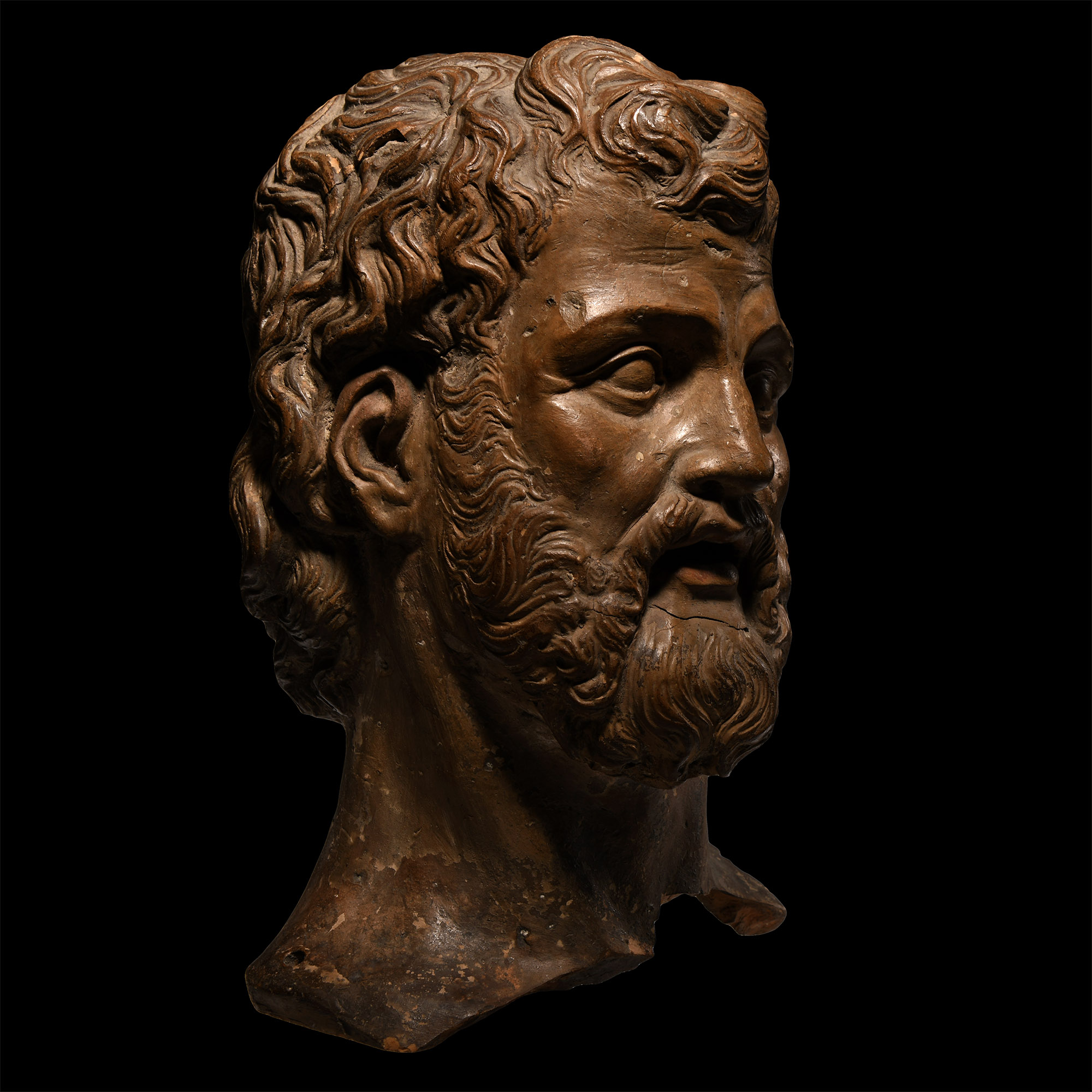
Terracotta Head of a Bearded Man
CIRCA 16TH-17TH CENTURY A.D.
13 1/4 in. (5.75 kg total, 33.5 cm including stand).
Hollow-formed with wavy hair and beard, trim moustache, mouth slightly open; mounted on a custom-made stand.
ProvenancePrivate collection, England.
This lot has been checked against the Interpol Database of stolen works of art and is accompanied by a search certificate number no.12305-215650.
TimeLine Auctions follows a vetting process to ensure the authenticity and legality of all items, reinforcing our commitment to integrity and responsible trading. Each antiquity, antique, and coin lot undergoes thorough examination by a vetting committee of at least ten external specialists, professional trade association members, scientists, and archaeologists: Our Vetting Process
AUCTIONS:
TimeLine is a leading auction house specialising in antiquities, ancient art, collectables, natural history, coins, medals, and books. Our auctions offer museums, collectors, historians, and enthusiasts the opportunity to acquire unique and historically significant pieces.
-
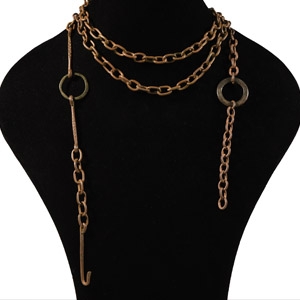
Tudor 'Published' Bronze Chain Belt with Decorated Hook and Ring
16th century A.D.Sold for (Inc. bp): £117
Long chain of ellipsoid link with central ring and two stringers, hooked end for adjustment; thick ring to the other end with short chain extension. 139 grams total, 1.16 m
From the collection of the famous author, writer and speaker, Gordon Bailey, Essex, UK; formed since 1968. -
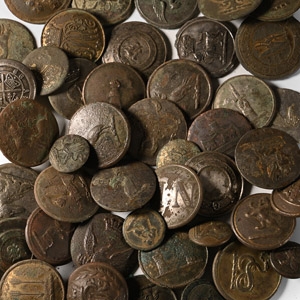
Post Medieval Bronze Military and Other Button Collection
18th-20th century A.D.Sold for (Inc. bp): £39
Including types with heraldic animals, initials, heater shields and others; many of these objects are published in the Detector Finds book series as well as Buttons & Fasteners 500BC-1840AD. 246 grams total,15-28 mm
From the collection of the famous author, writer and speaker, Gordon Bailey, Essex, UK; formed since 1968. -
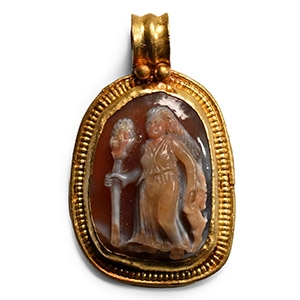
Gold Pendant with Hera Gemstone
20th century A.D.Sold for (Inc. bp): £715
D-shaped plaque with raised rim, beaded wire collar, central cell with inset cameo depicting Hera advancing with a thyrsus in one hand and supporting goat at her side; ribbed suspension loop; after the antique. 6.14 grams, 30 mm
Ex German art market, 2000s. Acquired from an EU collector living in London. From the collection of Surrey, UK, gentleman.
