
Loading, please wait...
LOT 0609
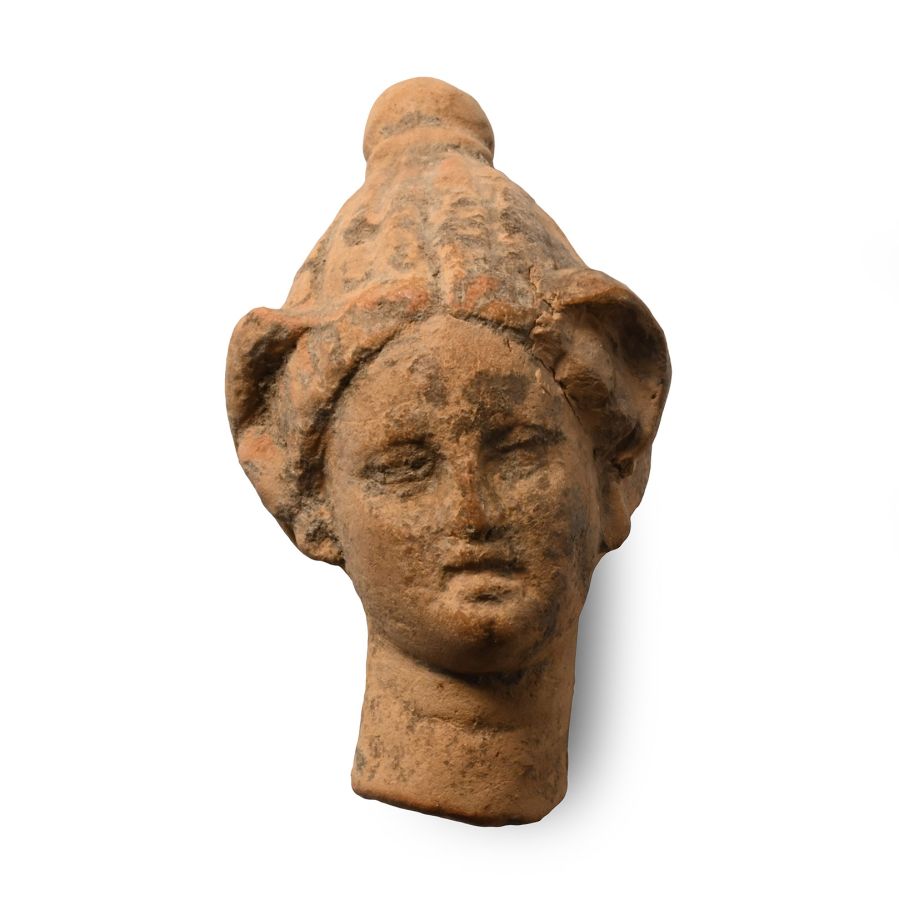
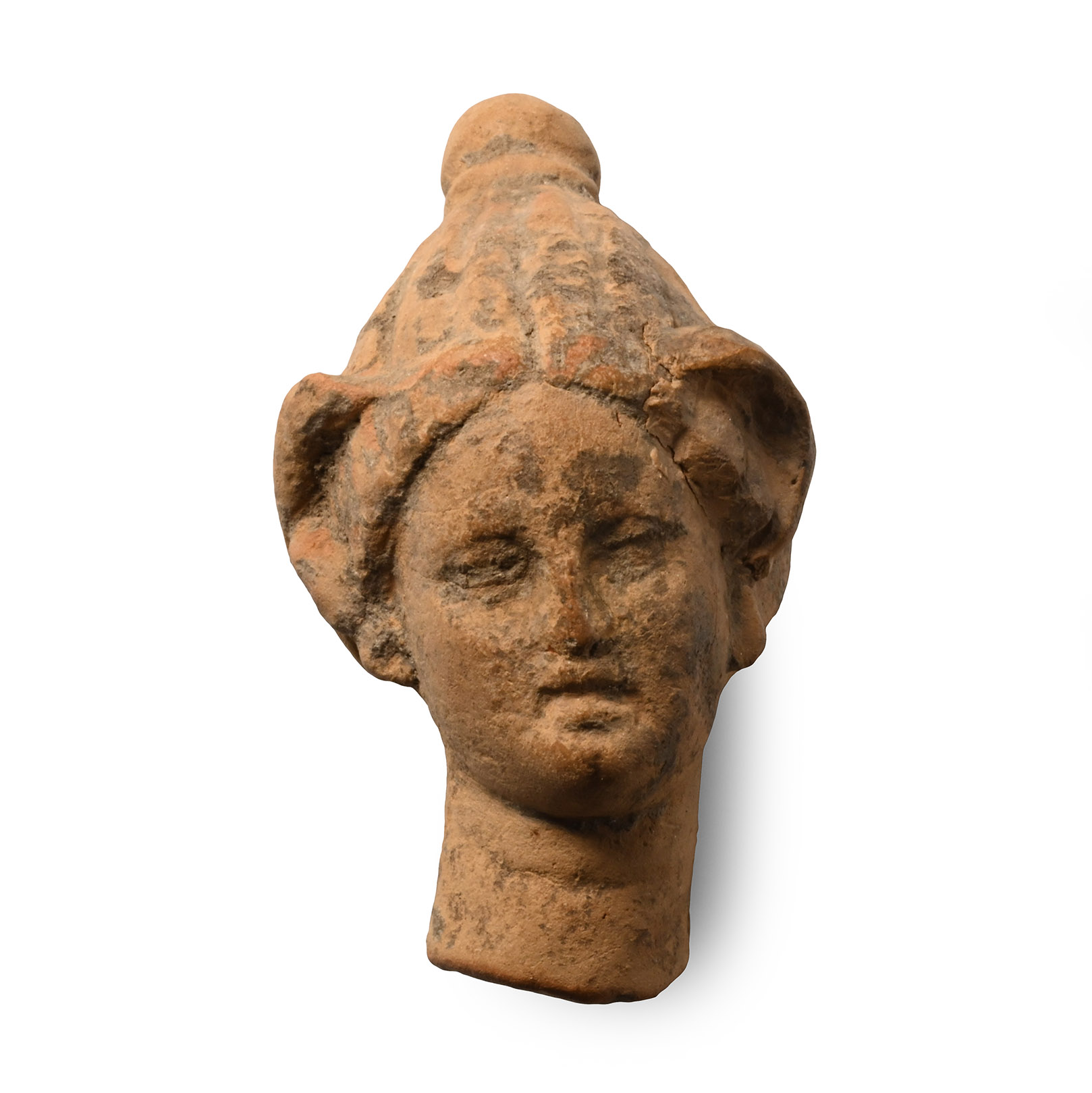
Tarentine Terracotta Head
3RD-1ST CENTURY B.C.
2 1/2 in. (32 mm, 63 mm).
Female head from an effigy, moulded with a segmented conical cap and lateral upturned flaps on the brim. earrings visible beneath; the head slightly turned and tilted downwards on a long slender neck.
ProvenanceAcquired in the mid 1980s-1990s.
Private collection, Switzerland, thence by descent.
Private collection, since the late 1990s.
Cf. similar though larger Tarentine female head in the Metropolitan Museum under accession number: 2013.612.
CONDITIONTimeLine Auctions follows a vetting process to ensure the authenticity and legality of all items, reinforcing our commitment to integrity and responsible trading. Each antiquity, antique, and coin lot undergoes thorough examination by a vetting committee of at least ten external specialists, professional trade association members, scientists, and archaeologists: Our Vetting Process
AUCTIONS:
TimeLine is a leading auction house specialising in antiquities, ancient art, collectables, natural history, coins, medals, and books. Our auctions offer museums, collectors, historians, and enthusiasts the opportunity to acquire unique and historically significant pieces.
-
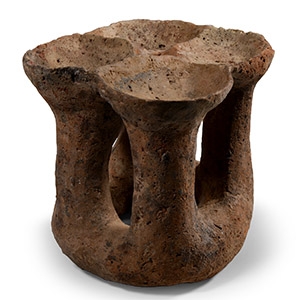
Cypriot Pottery Ring-Kernos
Early Bronze Age, 2300-2000 B.C.Sold for (Inc. bp): £221
Comprising a hollow basal ring and four vertical posts terminating in conical cups joined at the rim. 1.36 kg, 17 cm wide
From a collection acquired on the UK art market from various auction houses and collections mostly before 2000. From an important Cambridgeshire estate; thence by descent. -
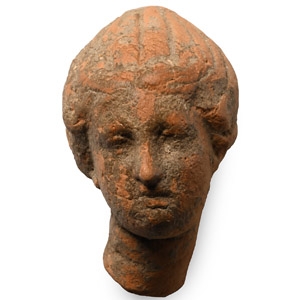
Greek Terracotta Head of a Female
Tarentine, 3rd-1st century B.C.Estimate: £180 - 240 (‡+bp*)
Opening Bid: £100
Female head moulded with a segmented conical cap with earlobes visible beneath; the head slightly turned and tilted downwards on a long slender neck. 43 grams, 56 mm
Acquired in the mid 1980s-1990s. Private collection, Switzerland, thence by descent. Private collection, since the late-1990s. -
.jpg)
Greek High-Glazed Fluted Cup
Apulian, 4th century B.C.Estimate: £1,800 - 2,400 (‡+bp*)
Opening Bid: £900
Raised fluting decorating the body, broad c-section neck and everted rim, segmented openwork handle. 174 grams, 90 mm high
Acquired in the 1960s-1970s. Ex European private collection. This lot has been checked against the Interpol Database of stolen works of art and is accompanied by search certificate number no.11856-206542.
