
Loading, please wait...
LOT 0318
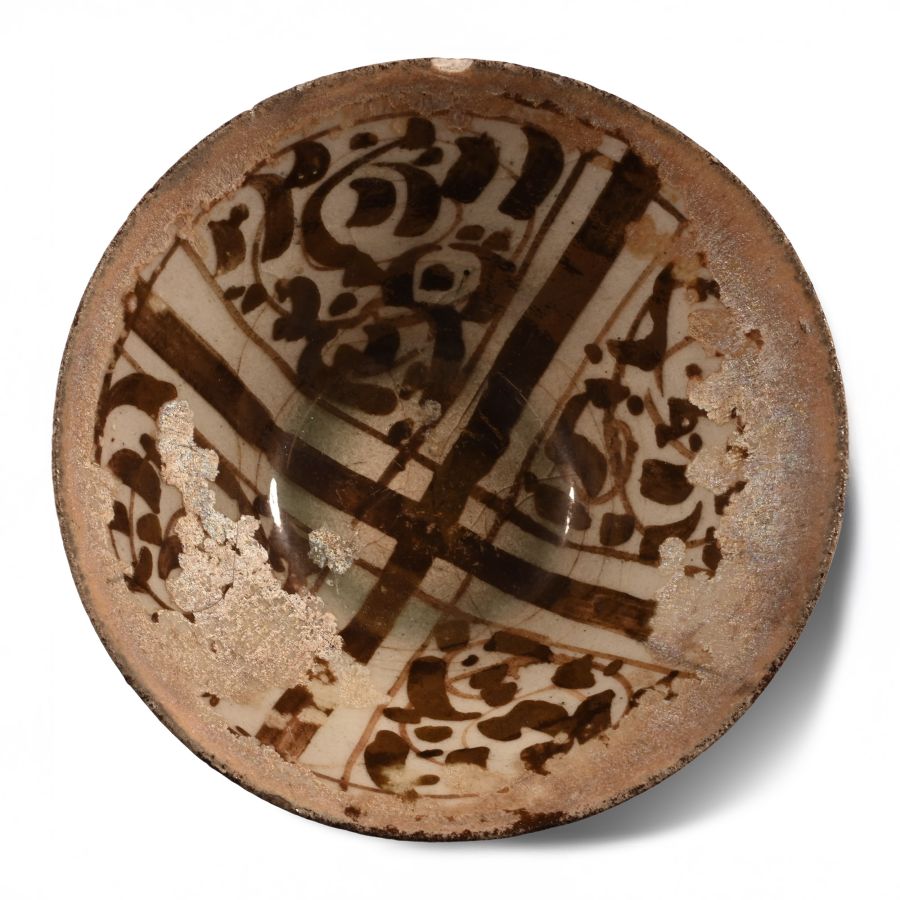
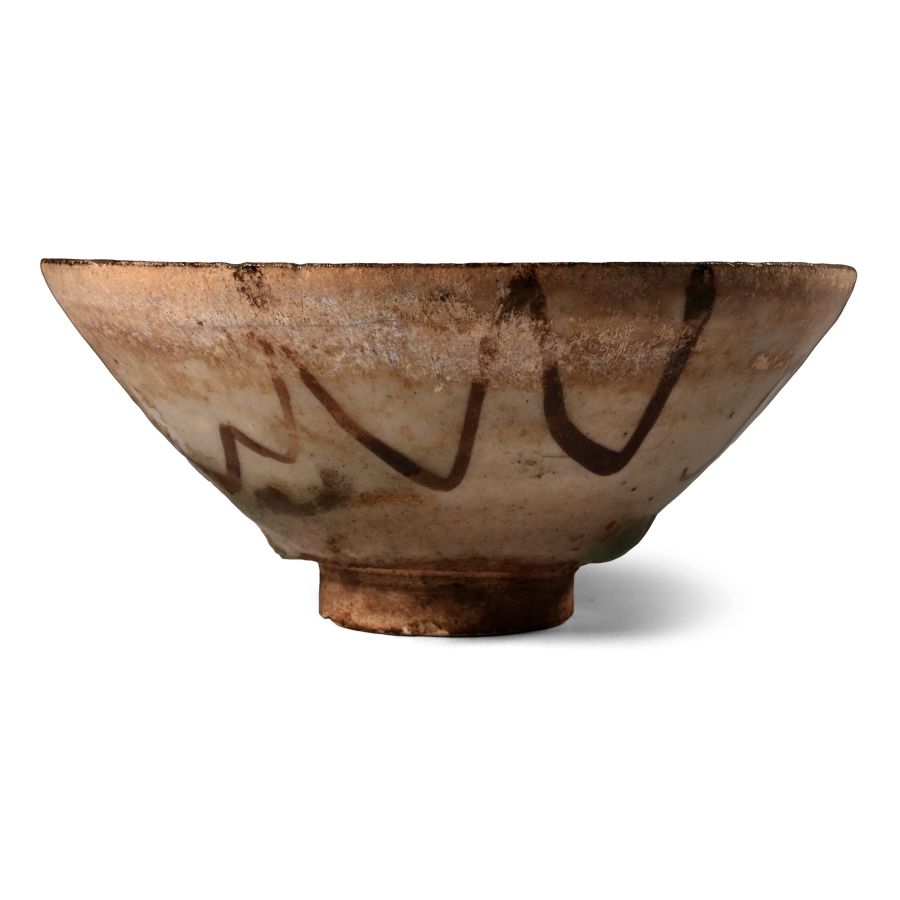
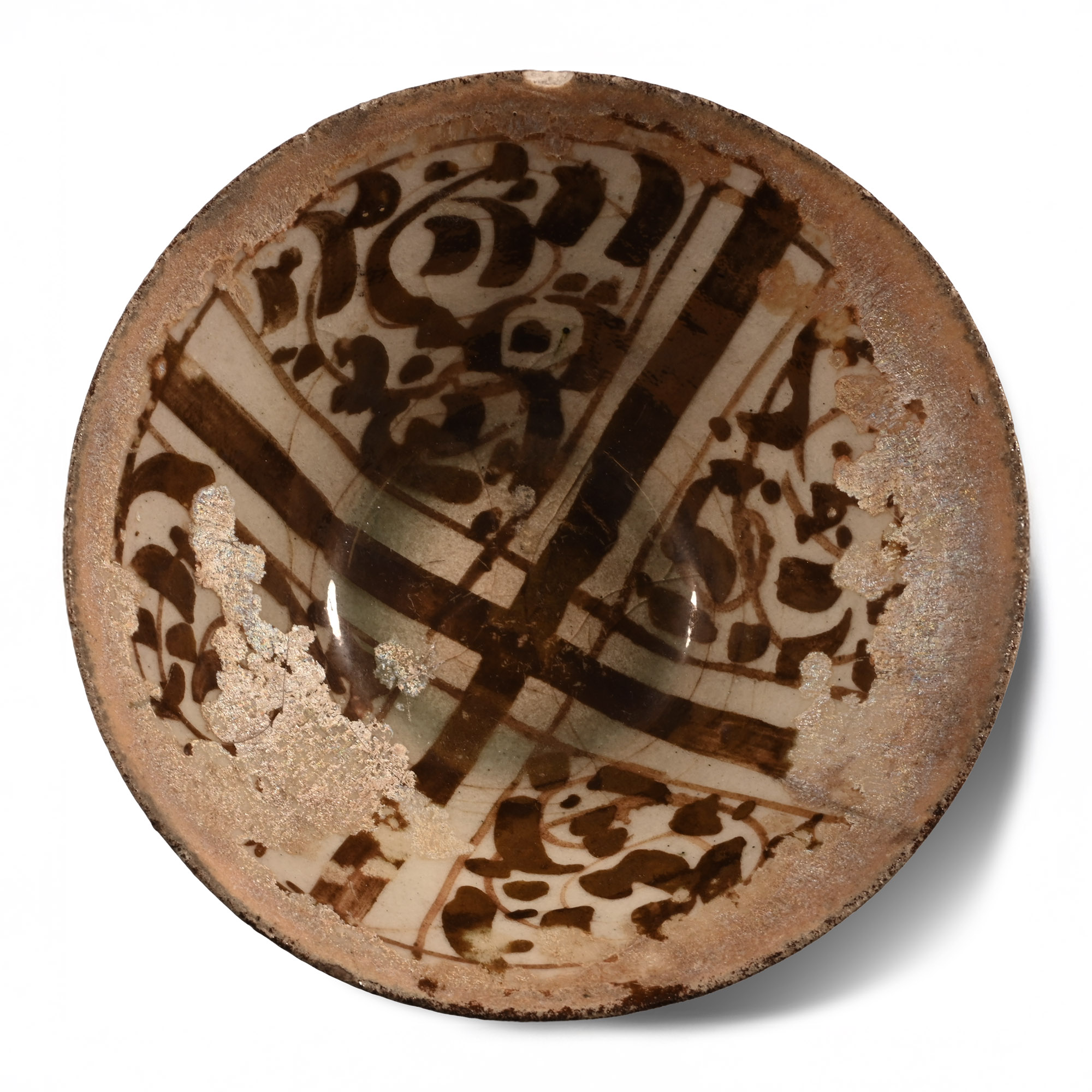
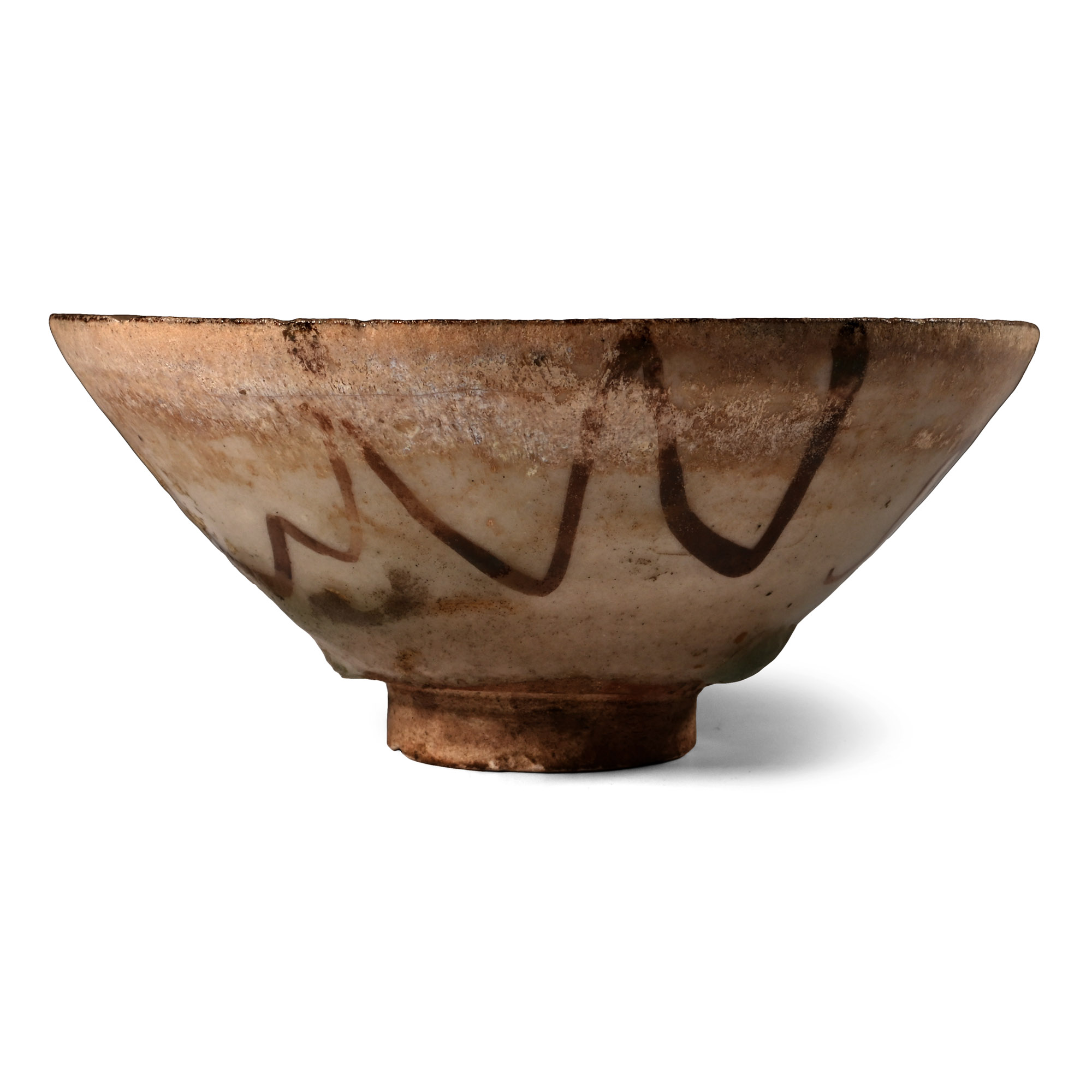
Syrian Lustre Pottery Bowl
13TH CENTURY A.D.
5 3/8 in. (142 grams, 13.8 cm).
Conical in profile with ring foot; glazed inner face with reserved cross and panels of calligraphic text; text to underside inside foot; old collectors' labels to sidewall.
Provenancewith Christie's, London, Islamic Manuscripts, Miniatures, and Works of Art, 10 October 1989, no.485.
Private collection, London.
This lot has been cleared against the Art Loss Register database, and is accompanied by an illustrated lot declaration signed by the Head of the Antiquities Department, Dr Raffaele D'Amato.
TimeLine Auctions follows a vetting process to ensure the authenticity and legality of all items, reinforcing our commitment to integrity and responsible trading. Each antiquity, antique, and coin lot undergoes thorough examination by a vetting committee of at least ten external specialists, professional trade association members, scientists, and archaeologists: Our Vetting Process
AUCTIONS:
TimeLine is a leading auction house specialising in antiquities, ancient art, collectables, natural history, coins, medals, and books. Our auctions offer museums, collectors, historians, and enthusiasts the opportunity to acquire unique and historically significant pieces.
LOT 0318
Syrian Lustre Pottery Bowl
Estimate £800 - 1,000€930 - 1,160 (for guidance only)$1,080 - 1,350 (for guidance only)
-
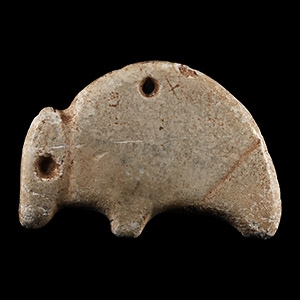
Large Sumerian Animal Amulet
3rd millennium B.C.Estimate: £500 - 700 (+bp*)
Opening Bid: £275
Carved bifacial amuletic pendant of an ox with incised detailing, sockets for inlaid eyes, suspension hole at shoulder. 62 grams, 74 mm
From the collection of a gentleman, acquired on the London art market in the 1990s. This lot has been cleared against the Art Loss Register database, and is accompanied by an illustrated lot declaration signed by the Head of the Antiquities Department, Dr Raffaele D'Amato. -
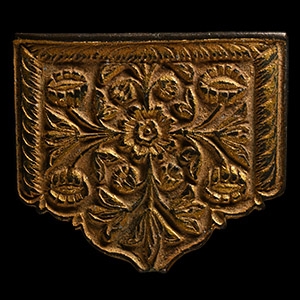
Western Asiatic Gilt Bronze Belt Element
12th-13th century A.D.Estimate: £300 - 400 (‡+bp*)
Opening Bid: £135
Pentagonal in plan with scooped ogival upper edge, shallow sides and slider-bar to reverse; high-relief decorative motifs of rosette and radiating stems and leaves. 18.25 grams, 43 mm
Acquired in the mid 1980s-1990s. Private collection, Switzerland, thence by descent. Private collection, since the late 1990s. This lot has been cleared against the Art Loss Register database, and is accompanied by an illustrated lot declaration signed by the Head of the Antiquities Department, Dr Raffaele D'Amato. -
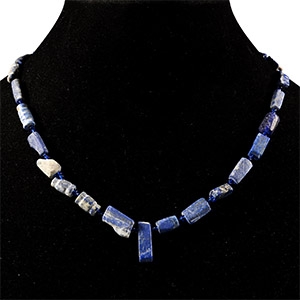
Bactrian Style Lapis Lazuli Bead Necklace String
20th century A.D.Sold for (Inc. bp): £7
Composed of cylindrical and rectangular beads interspersed with small oblate glass beads, restrung. 27.6 grams, 37 cm
Ex London, UK, gentleman, 2000s. This lot has been cleared against the Art Loss Register database, and is accompanied by an illustrated lot declaration signed by the Head of the Antiquities Department, Dr Raffaele D'Amato.
