
Loading, please wait...
LOT 1262
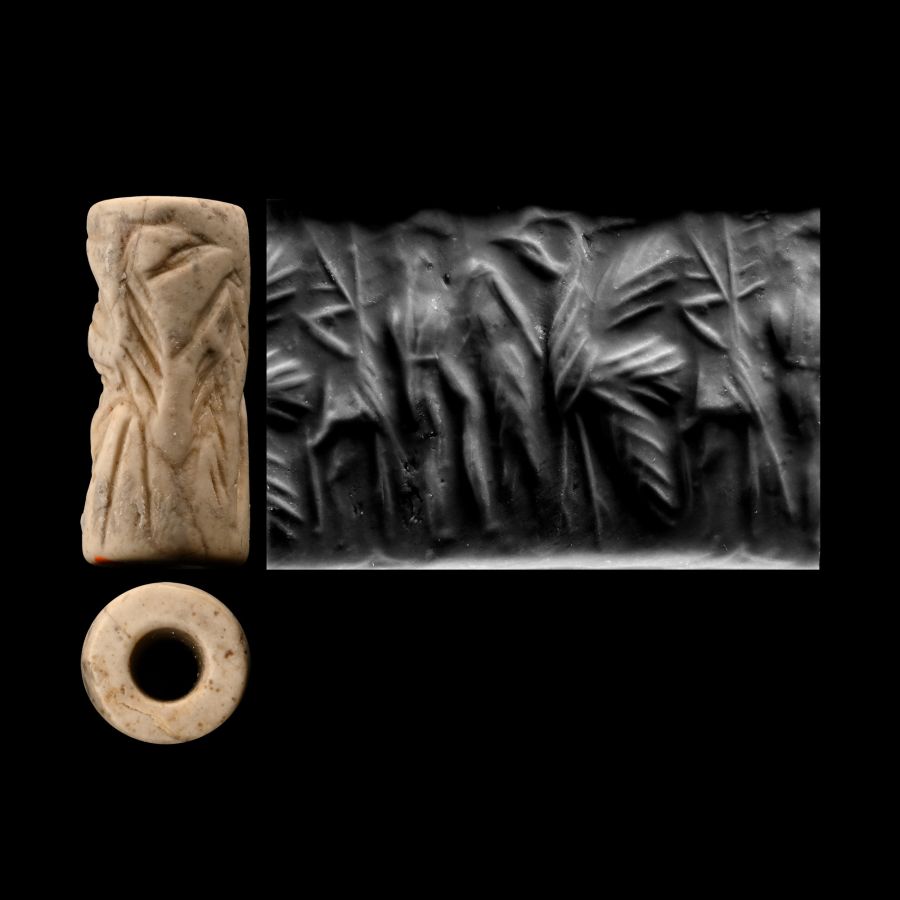
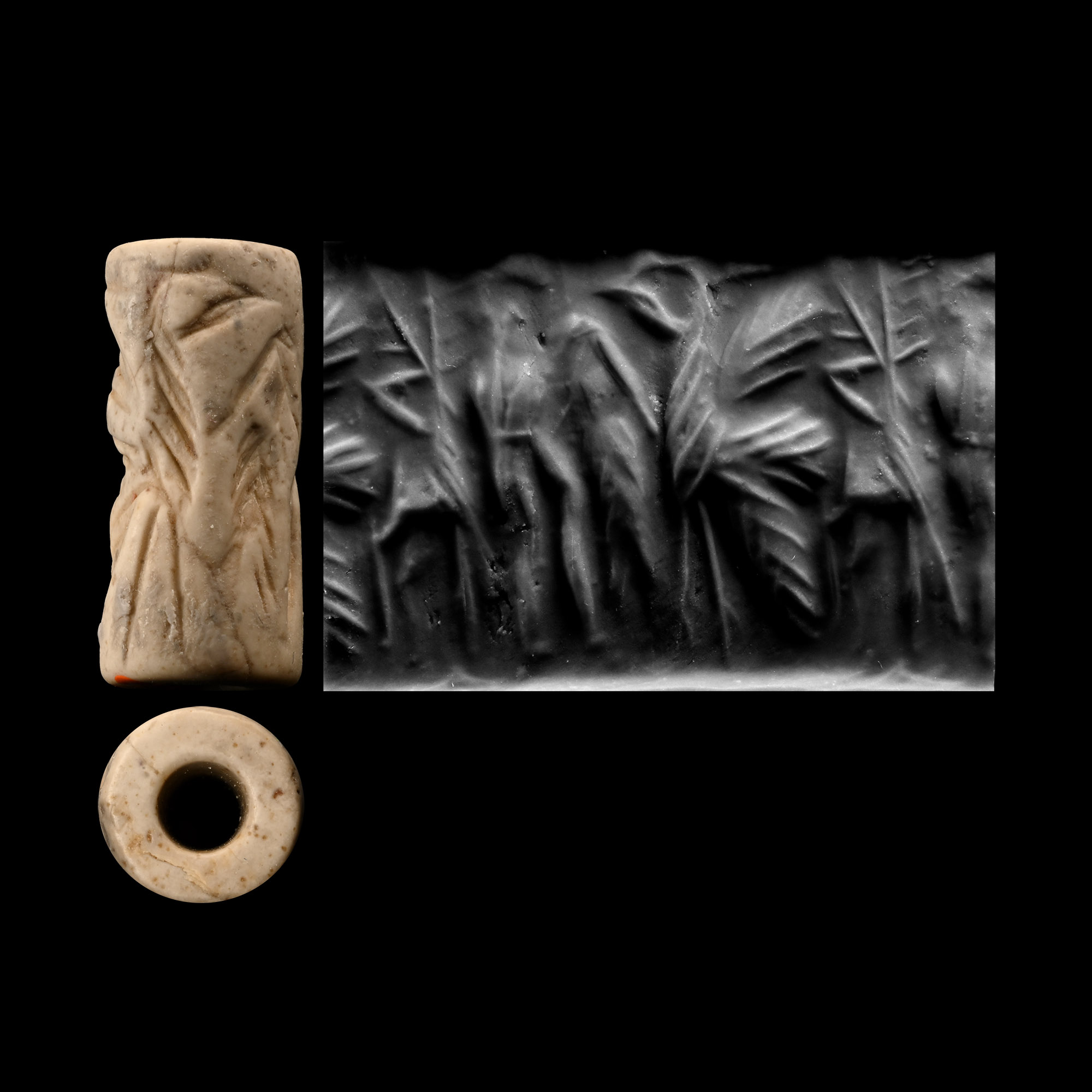
Syrian Grey Stone Cylinder Seal with Figure Holding Fish
CIRCA 2600-2300 B.C.
1 in. (6.6 grams, 25 mm).
Cylinder with cord and bead handles; accompanied by a copy of an old scholarly note, typed and signed by W.G. Lambert, late Professor of Assyriology, University of Birmingham, 1970-1993, which states: 'Description of Cylinder Seal of cream/grey stone, 25 x 11.5 mm. Human figure, holding up large fish 9?), faces huge bird, behind which a stag is standing. The whole scene and deep cutting is typically Syrian c. 2600-2300 B.C. Clearly some mythological events are being portrayed, but this is not a common type and so far we cannot explain it. Condition is fine.'; supplied with a museum-quality impression. [No Reserve]
ProvenanceUK private collection, acquired 1980-1983.
Accompanied by a copy of a scholarly note, typed and signed by Professor Wilfrid George Lambert in October 1987.
This lot has been cleared against the Art Loss Register database, and is accompanied by an illustrated lot declaration signed by the Head of the Antiquities Department, Dr Raffaele D'Amato.
TimeLine Auctions follows a vetting process to ensure the authenticity and legality of all items, reinforcing our commitment to integrity and responsible trading. Each antiquity, antique, and coin lot undergoes thorough examination by a vetting committee of at least ten external specialists, professional trade association members, scientists, and archaeologists: Our Vetting Process
AUCTIONS:
TimeLine is a leading auction house specialising in antiquities, ancient art, collectables, natural history, coins, medals, and books. Our auctions offer museums, collectors, historians, and enthusiasts the opportunity to acquire unique and historically significant pieces.
LOT 1262
Syrian Grey Stone Cylinder Seal with Figure Holding Fish
Sold for (Inc. bp): £104
-
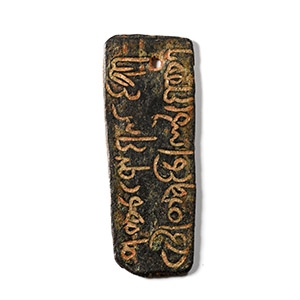
Personal Bronze Tag of Zahra Governor of Esphahan
14th century A.D.Estimate: £400 - 600 (+bp*)
Opening Bid: £222
A medieval period flat-section rectangular plaque pierced at the broad end with incised calligraphic legend: 'Zahra the splendid or the radiant governor of Esphahan ...', Zaraa or Zahra is a female name which also refers to boundless beauty (ذرع اصفهانی واسع الخلیفه با ما معمور). 10.6 grams, 51 mm
From the collection of a gentleman, acquired on the London art market in the 1990s. This lot has been cleared against the Art Loss Register database, and is accompanied by an illustrated lot declaration signed by the Head of the Antiquities Department, Dr Raffaele D'Amato. -
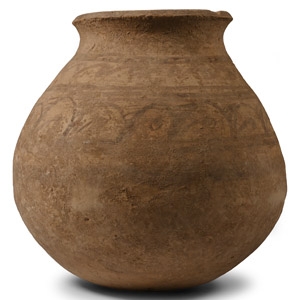
Western Asiatic Painted Terracotta Jar
2nd-1st millennium B.C.Sold for (Inc. bp): £59
Globular in profile with broad everted rim, bands of painted frieze detailing. 3 kg, 26 cm
From a West London, UK, collection, 1990s. This lot has been cleared against the Art Loss Register database, and is accompanied by an illustrated lot declaration signed by the Head of the Antiquities Department, Dr Raffaele D'Amato. -
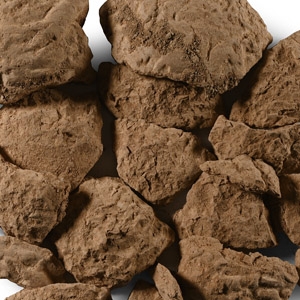
Fragmentary Sumerian Terracotta Bulla Envelope with Impressed Decoration
Uruk Period, 5500-3100 B.C.Sold for (Inc. bp): £169
Group of irregular ceramic fragments with low-relief zoomorphic and other ornament. 131 grams, 25-56 mm
Specialised collection of cuneiform texts, the property of a London gentleman and housed in London before 1988. Thence by descent to family members. Examined by Professor Wilfrid George Lambert FBA (1926-2011), historian, archaeologist, and specialist in Assyriology and Near Eastern archaeology, in the late 1980s and early 1990s. The collection is exceptional for the variety of types, including some very rare and well preserved examples. This lot has been cleared against the Art Loss Register database, and is accompanied by an illustrated lot declaration signed by the Head of the Antiquities Department, Dr Raffaele D'Amato.
