
Loading, please wait...
LOT 1028
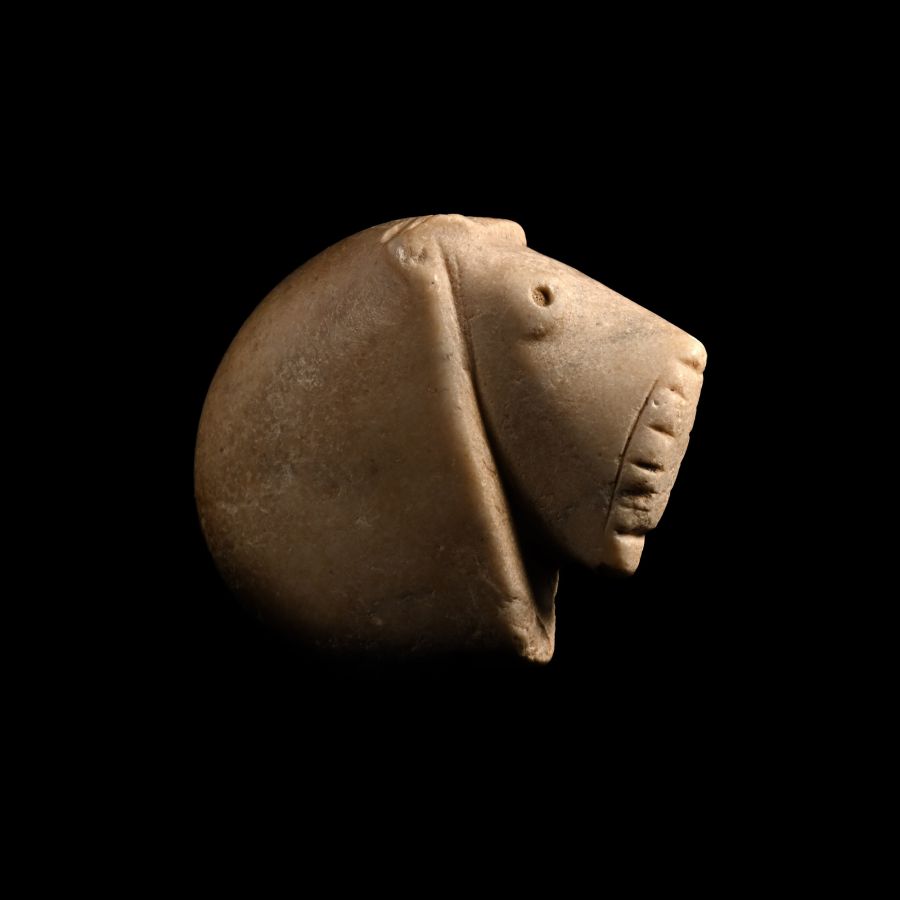
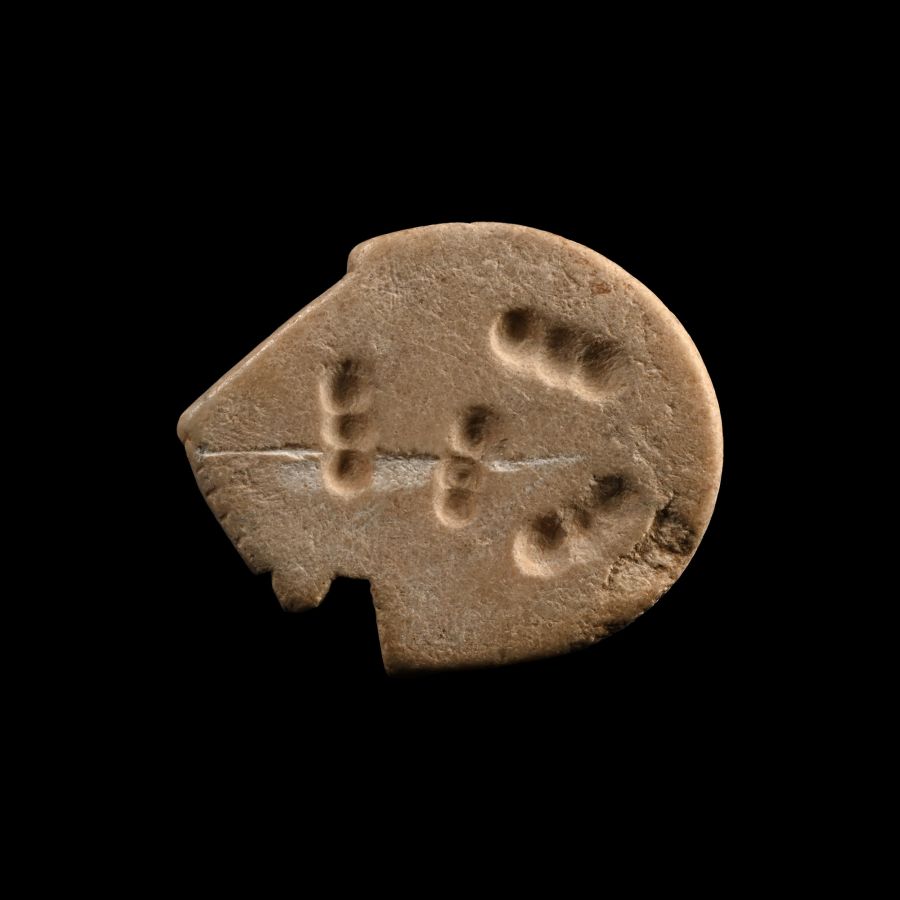
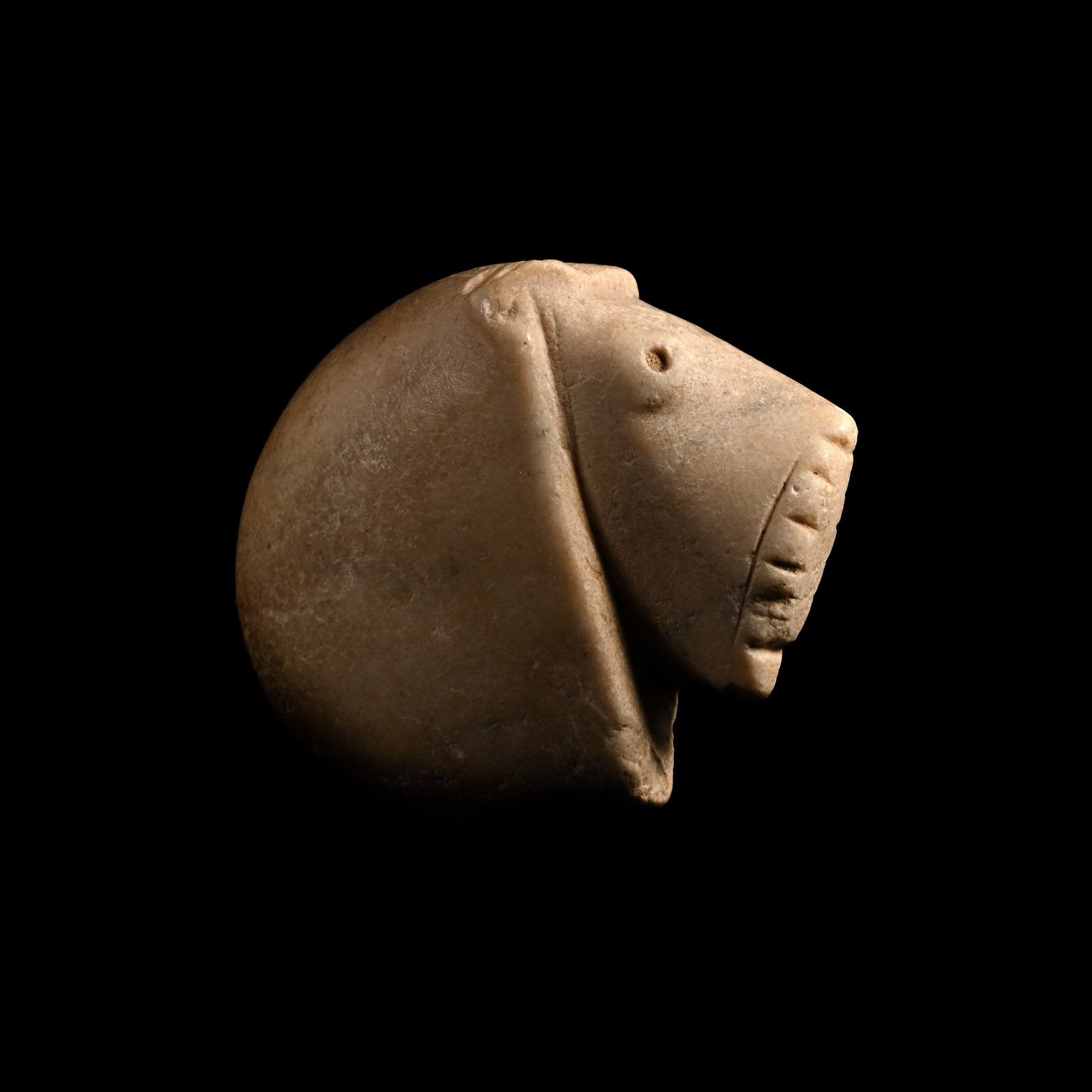
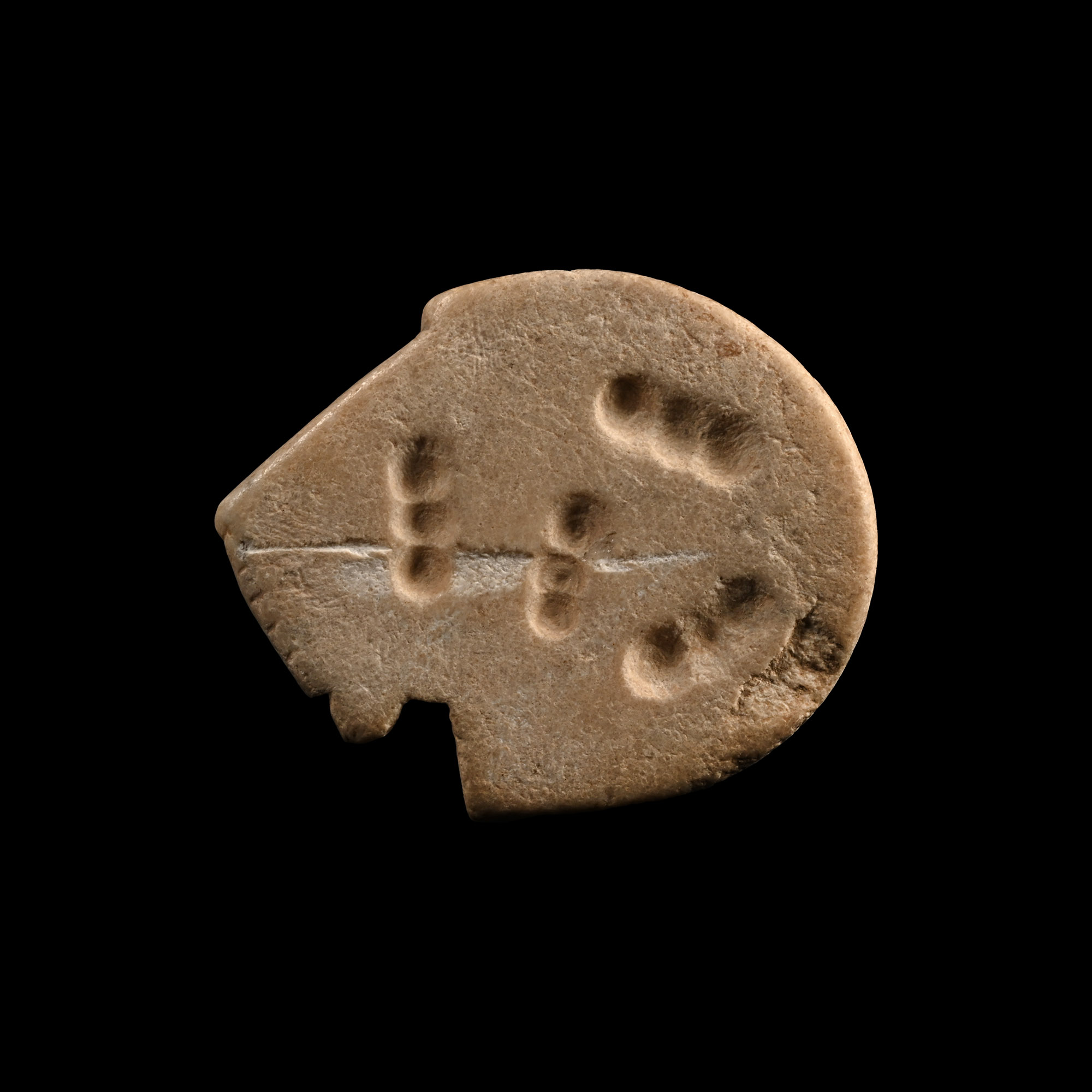
Sumerian Stone Lion Amulet
3RD MILLENNIUM B.C.
1 1/4 in. (14.6 grams, 30 mm).
Modelled in the half round as a profile head of a male lion, drilled on the underside.
ProvenanceFrom an important gentleman's collection, London, UK, pre 1988.
This lot has been cleared against the Art Loss Register database, and is accompanied by an illustrated lot declaration signed by the Head of the Antiquities Department, Dr Raffaele D'Amato.
TimeLine Auctions follows a vetting process to ensure the authenticity and legality of all items, reinforcing our commitment to integrity and responsible trading. Each antiquity, antique, and coin lot undergoes thorough examination by a vetting committee of at least ten external specialists, professional trade association members, scientists, and archaeologists: Our Vetting Process
AUCTIONS:
TimeLine is a leading auction house specialising in antiquities, ancient art, collectables, natural history, coins, medals, and books. Our auctions offer museums, collectors, historians, and enthusiasts the opportunity to acquire unique and historically significant pieces.
-
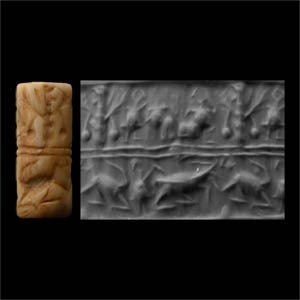
Sumerian Bone Cylinder Seal
2nd millennium B.C.Estimate: £300 - 400 (+bp*)
Opening Bid: £150
With frieze in two registers depicting running animals, facing figure with arms raised and other items; supplied with a museum-quality impression. 4.42 grams, 24 mm
Ex 'S' collection, London, UK. Examined by Professor Wilfrid George Lambert FBA (1926-2011), historian, archaeologist, and specialist in Assyriology and Near Eastern archaeology, in the late 1980s and early 1990s. This lot has been cleared against the Art Loss Register database, and is accompanied by an illustrated lot declaration signed by the Head of the Antiquities Department, Dr Raffaele D'Amato. -
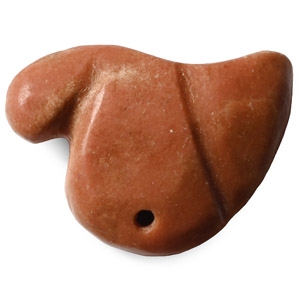
Sumerian Orange Stone Amuletic Dove-Shaped Seal
Uruk/Jemdet Nasr Period, circa 3500-2900 B.C.Sold for (Inc. bp): £169
Lentoid in section with scooped underside and suspension hole at apex. 8.45 grams, 33 mm
From the 'S' collection, acquired 1970-1990s. Accompanied by a description from Peter Gert Van der Veen, senior lecturer of Levantine Archaeology, Johannes Gutenberg-Universität, Mainz. This lot has been cleared against the Art Loss Register database, and is accompanied by an illustrated lot declaration signed by the Head of the Antiquities Department, Dr Raffaele D'Amato. -
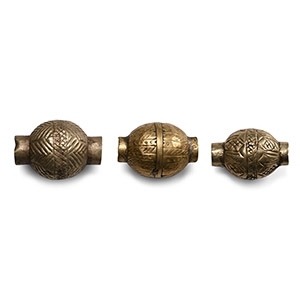
Western Asiatic Large Metal Bead Group
19th-early 20th century A.D.Sold for (Inc. bp): £13
Comprising three large beads with collars and incised/punched decoration. 59 grams total, 53-61 mm
Ex collection of a late London, UK, collector, 1970s. This lot has been cleared against the Art Loss Register database, and is accompanied by an illustrated lot declaration signed by the Head of the Antiquities Department, Dr Raffaele D'Amato.
