
Loading, please wait...
LOT 1127
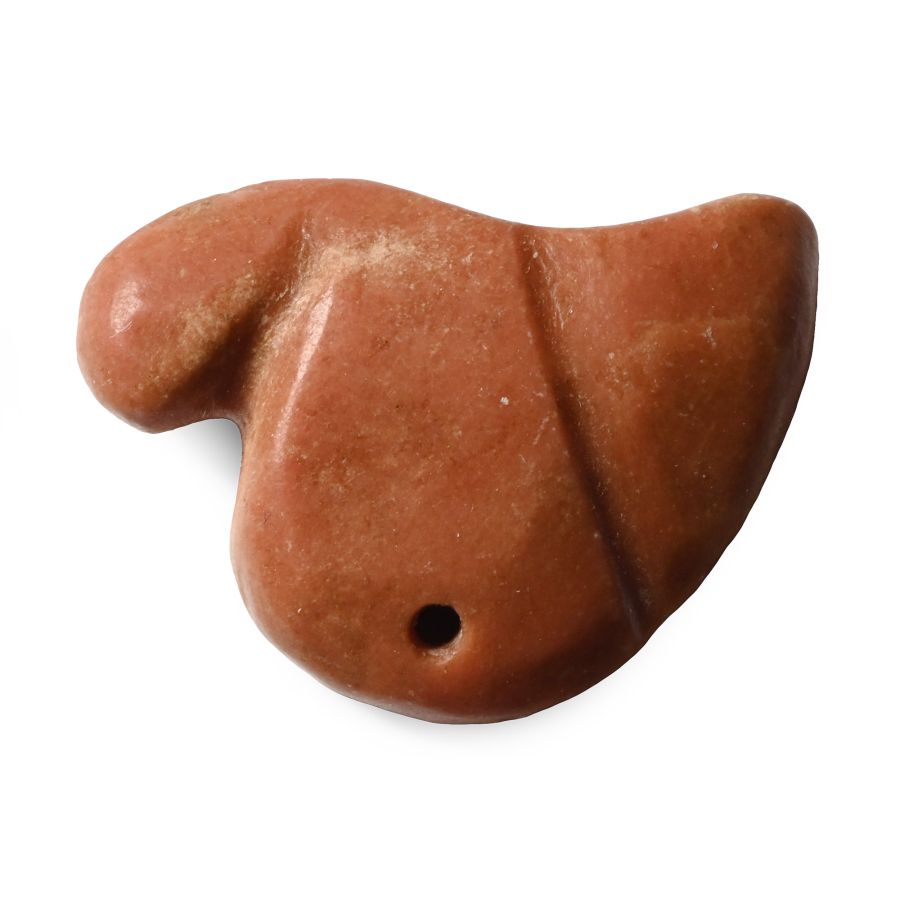
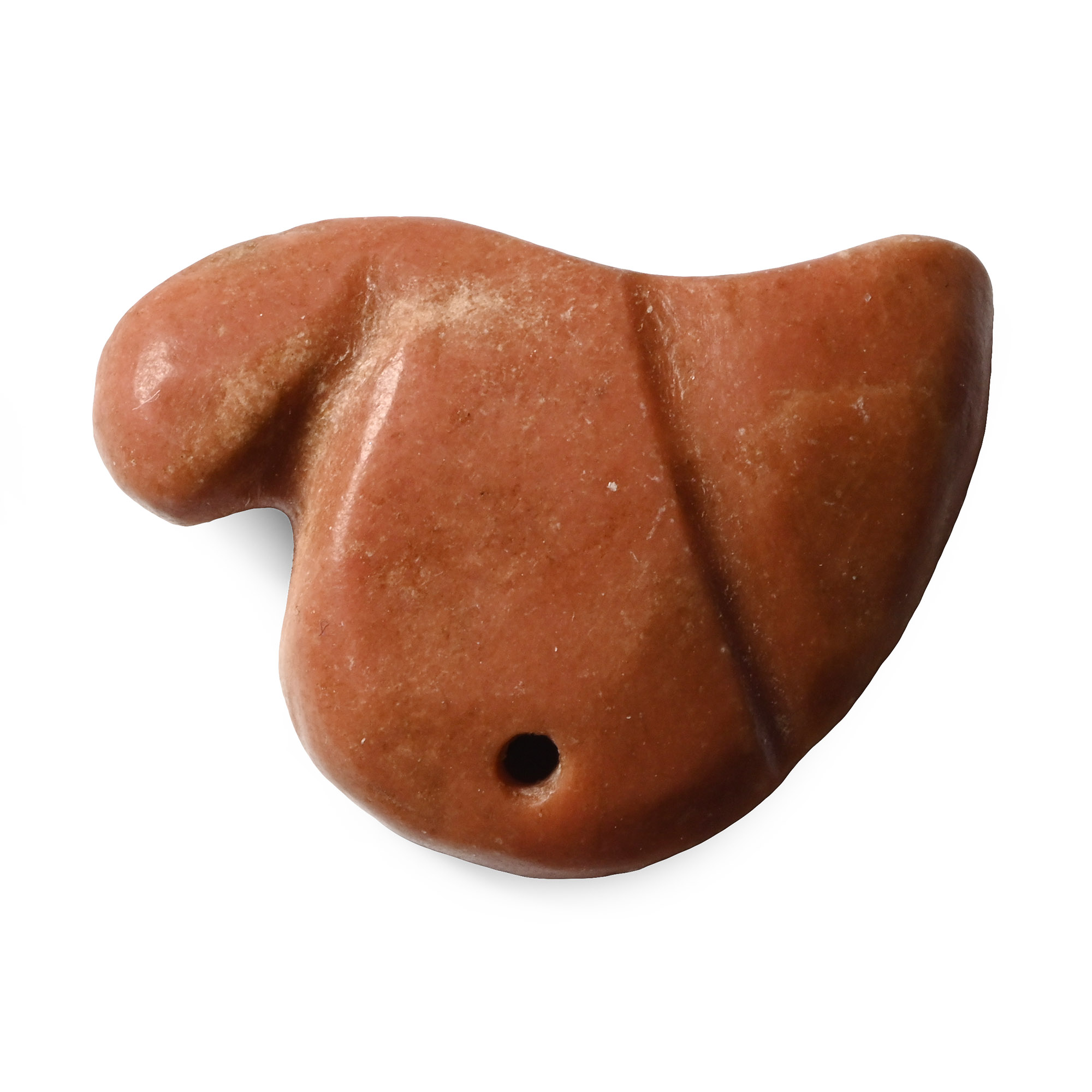
Sumerian Orange Stone Amuletic Dove-Shaped Seal
URUK/JEMDET NASR PERIOD, CIRCA 3500-2900 B.C.
1 1/4 in. (8.45 grams, 33 mm).
Lentoid in section with scooped underside and suspension hole at apex.
ProvenanceFrom the 'S' collection, acquired 1970-1990s.
Accompanied by a description from Peter Gert Van der Veen, senior lecturer of Levantine Archaeology, Johannes Gutenberg-Universität, Mainz.
This lot has been cleared against the Art Loss Register database, and is accompanied by an illustrated lot declaration signed by the Head of the Antiquities Department, Dr Raffaele D'Amato.
TimeLine Auctions follows a vetting process to ensure the authenticity and legality of all items, reinforcing our commitment to integrity and responsible trading. Each antiquity, antique, and coin lot undergoes thorough examination by a vetting committee of at least ten external specialists, professional trade association members, scientists, and archaeologists: Our Vetting Process
AUCTIONS:
TimeLine is a leading auction house specialising in antiquities, ancient art, collectables, natural history, coins, medals, and books. Our auctions offer museums, collectors, historians, and enthusiasts the opportunity to acquire unique and historically significant pieces.
-
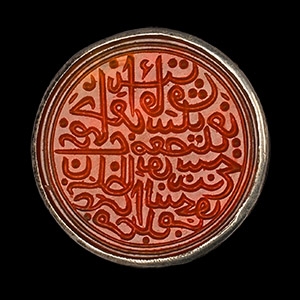
Large Western Asiatic Silver-Coloured Metal Ring with Agate Calligraphic Gemstone
20th century A.D.Sold for (Inc. bp): £1,170
Comprising a D-section hoop set with a turquoise-coloured cabochon at the base; large bezel with engraved decoration beneath and on the rim, set with red intaglio engraved with Arabic text. 20.52 grams, 33.88 mm overall, 21.97 mm internal diameter (approximate size British W, USA 11, Europe 25, Japan 24)
From the family collection of a Hampstead gentleman; formerly acquired in the 1980s. This lot has been cleared against the Art Loss Register database, and is accompanied by an illustrated lot declaration signed by the Head of the Antiquities Department, Dr Raffaele D'Amato. -
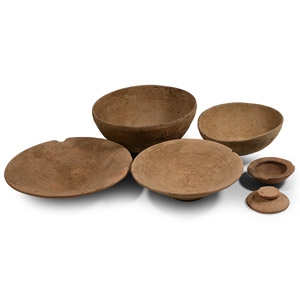
Western Asiatic and Other Pottery Collection
3rd-1st millennium B.C.Sold for (Inc. bp): £72
Including a hemispherical bowl, a broad dish and other types. 1.85 kg total, 7-21.5 cm
From a West Country collection, UK, 1990s. This lot has been cleared against the Art Loss Register database, and is accompanied by an illustrated lot declaration signed by the Head of the Antiquities Department, Dr Raffaele D'Amato. -
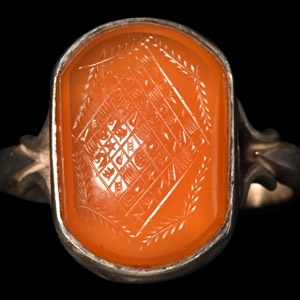
Western Asiatic Silver Ring with Jewish Gemstone
20th century A.D.Sold for (Inc. bp): £169
D-section hoop with forked terminals, large bezel with a carnelian intaglio engraved with a lozenge-shaped grid of magical symbols, four sprigs surrounding; underside stamped with 'H 925'. 7.05 grams, 30.66 mm overall, 20.42 mm internal diameter (approximate size British V 1/2, USA 10 3/4, Europe 24.4, Japan 23)
Private collection, London, UK. This lot has been cleared against the Art Loss Register database, and is accompanied by an illustrated lot declaration signed by the Head of the Antiquities Department, Dr Raffaele D'Amato.
