
Loading, please wait...
LOT 0261
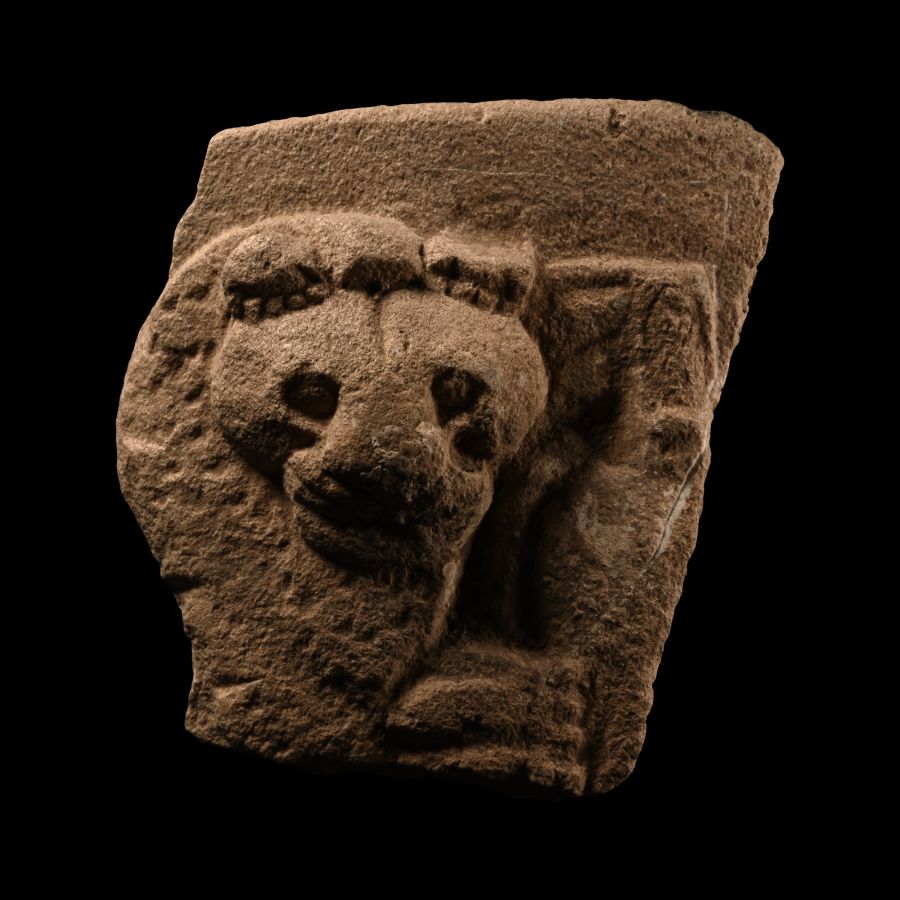
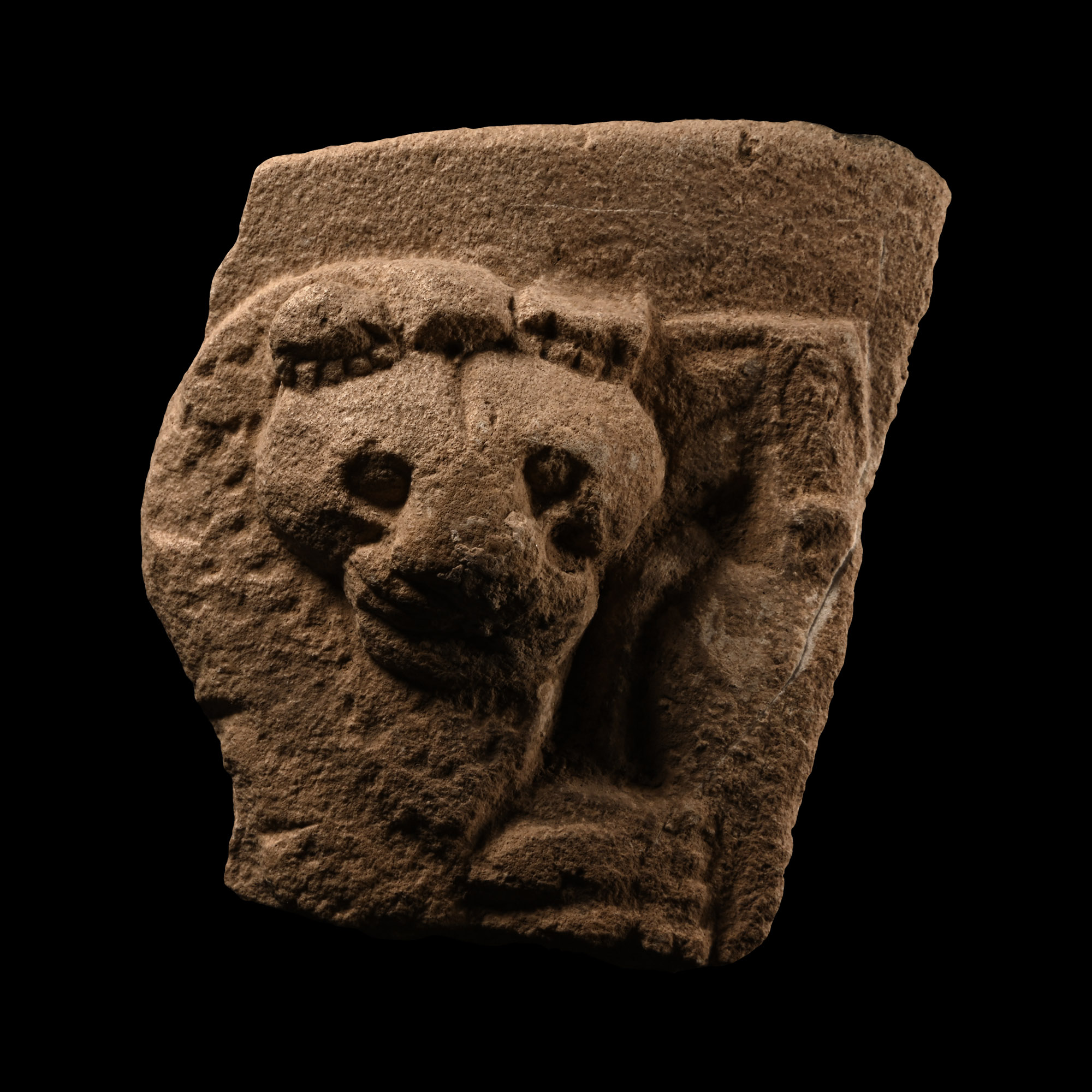
Sumerian Limestone Plaque
3RD MILLENNIUM B.C.
3 3/4 in. (246 grams, 96 mm).
Fragment from a plaque or large bowl with high-relief head and foreparts of a lion with broad piriform face and sunken eyes; rounded rim above.
ProvenanceEx Mr J.K. Maryland, USA.
Private collection.
Acquired in 1999.
This lot has been cleared against the Art Loss Register database, and is accompanied by an illustrated lot declaration signed by the Head of the Antiquities Department, Dr Raffaele D'Amato.
TimeLine Auctions follows a vetting process to ensure the authenticity and legality of all items, reinforcing our commitment to integrity and responsible trading. Each antiquity, antique, and coin lot undergoes thorough examination by a vetting committee of at least ten external specialists, professional trade association members, scientists, and archaeologists: Our Vetting Process
AUCTIONS:
TimeLine is a leading auction house specialising in antiquities, ancient art, collectables, natural history, coins, medals, and books. Our auctions offer museums, collectors, historians, and enthusiasts the opportunity to acquire unique and historically significant pieces.
LOT 0261
Sumerian Limestone Plaque
Estimate £800 - 1,000€930 - 1,160 (for guidance only)$1,080 - 1,350 (for guidance only)
-
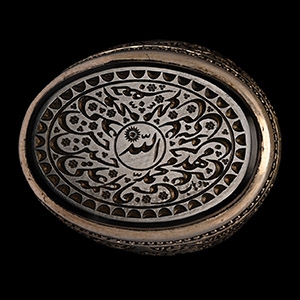
Large Western Asiatic Silver-Coloured Metal Ring with Agate Calligraphic Gemstone
20th century A.D.Sold for (Inc. bp): £85
The hoop decorated with elaborate floral motifs, two stamps to the inner face; oval bezel set with a dark brown agate intaglio engraved with densely arranged calligraphy arranged around a central medallion, notched border. 27.52 grams, 32.26 mm overall, 20.10 mm internal diameter (approximate size British U 1/2, USA 10 1/4, Europe 23.15, Japan 22)
From the family collection of a Hampstead gentleman; formerly acquired in the 1980s. This lot has been cleared against the Art Loss Register database, and is accompanied by an illustrated lot declaration signed by the Head of the Antiquities Department, Dr Raffaele D'Amato. -
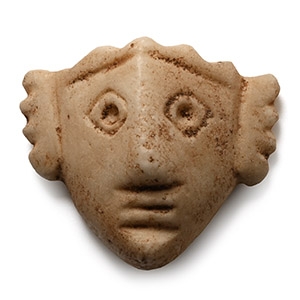
Sumerian Stone Head Bead
3rd millennium B.C.Sold for (Inc. bp): £520
Amuletic mask, carinated in plan and plano-convex in section with facial detailing, ring-and-dot eyes. 7.7 grams, 28 mm
Acquired in the mid 1980s-1990s. Private collection, Switzerland, thence by descent. Private collection, since the late 1990s. This lot has been cleared against the Art Loss Register database, and is accompanied by an illustrated lot declaration signed by the Head of the Antiquities Department, Dr Raffaele D'Amato. -
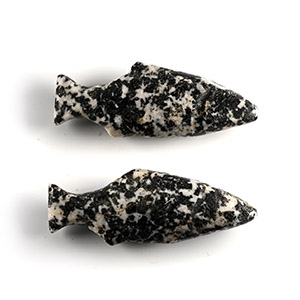
Proto-Sumerian Granite Fish Pair
3rd millennium B.C.Estimate: £300 - 400 (‡+bp*)
Opening Bid: £135
Two carved diorite fish amulets each pierced at the mouth for suspension. 17.1 grams total, 41-42 mm
Swiss private collection, 1990s. Acquired in 2002. This lot has been cleared against the Art Loss Register database, and is accompanied by an illustrated lot declaration signed by the Head of the Antiquities Department, Dr Raffaele D'Amato.
