
Loading, please wait...
_900x900.jpg "Sumerian Lapis Lazuli Cylinder Seal Collection")
_200x200.jpg "Sumerian Lapis Lazuli Cylinder Seal Collection")
.jpg "Sumerian Lapis Lazuli Cylinder Seal Collection")
LOT 1406
Sumerian Lapis Lazuli Cylinder Seal Collection
3RD MILLENNIUM B.C.
5/8 - 1 1/4 in. (16.04 grams total, 16-30 mm).
Including various geometric and zoomorphic motifs; supplied with a museum-quality impression. [4]
ProvenancePrivate Swiss collection.
Acquired in 1998.
This lot has been cleared against the Art Loss Register database, and is accompanied by an illustrated lot declaration signed by the Head of the Antiquities Department, Dr Raffaele D'Amato.
TimeLine Auctions follows a vetting process to ensure the authenticity and legality of all items, reinforcing our commitment to integrity and responsible trading. Each antiquity, antique, and coin lot undergoes thorough examination by a vetting committee of at least ten external specialists, professional trade association members, scientists, and archaeologists: Our Vetting Process
AUCTIONS:
TimeLine is a leading auction house specialising in antiquities, ancient art, collectables, natural history, coins, medals, and books. Our auctions offer museums, collectors, historians, and enthusiasts the opportunity to acquire unique and historically significant pieces.
-
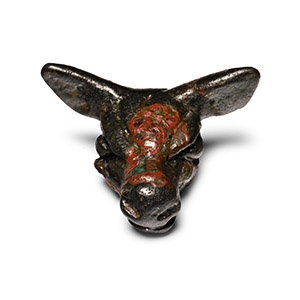
Western Asiatic Bronze Amulet of a Deer's Head
2nd-1st millennium B.C.Estimate: £200 - 300 (‡+bp*)
Opening Bid: £100
Modelled in the round with large alert ears, deeply incised facial detailing. 6.16 grams, 21 mm
Ex Dr. Leo Mildenberg, Zurich, 1990s. Acquired by Galerie Rhéa, Zurich, from the above in 1999. This lot has been cleared against the Art Loss Register database, and is accompanied by an illustrated lot declaration signed by the Head of the Antiquities Department, Dr Raffaele D'Amato. -
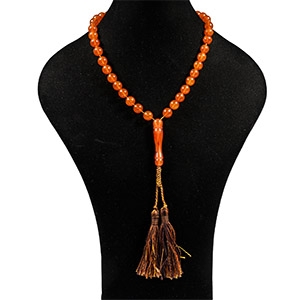
Western Asiatic Amber-Coloured Prayer Beads
20th century A.D.Sold for (Inc. bp): £72
Composed of forty-one spherical beads with two oblate beads, and a large minaret bead with two tassels to the bottom. 54 grams, 58 cm
Acquired in the 1990s. Ex Abelita family collection. This lot has been cleared against the Art Loss Register database, and is accompanied by an illustrated lot declaration signed by the Head of the Antiquities Department, Dr Raffaele D'Amato. -
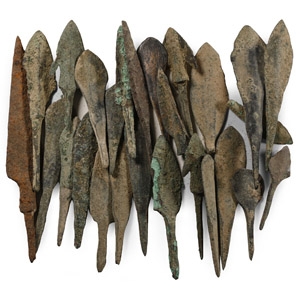
Western Asiatic Bronze Arrowhead Collection
19th century B.C.-6th century A.D.Sold for (Inc. bp): £130
Including triangular, leaf-shaped, barbed, paddle-shaped arrowheads with a flat, comparatively wide mid-rib, and others. 176 grams total, 3.4-10.2 cm
Ex London art market, 1980-1990s. This lot has been cleared against the Art Loss Register database, and is accompanied by an illustrated lot declaration signed by the Head of the Antiquities Department, Dr Raffaele D'Amato.
Some of the represented arrowheads (paddle-shaped) were typical of the Old Babylonian Empire. The shoulders were pronounced and the arrowhead had a rectangular-section tapering tang. This simple form was popular throughout and are comparatively common finds in the Holy Land. The collection includes a rare Eastern Roman iron type with triangular blade having rhomboid section and short tang.
